Mexico City police say a quiet surveillance in Álvaro Obregón ended with a targeted arrest they hope will chip away at a violent cell’s hold on the west side. Officers moved in on a suspect with an active warrant for criminal association and turned him over to a judge at Reclusorio Norte. Authorities link the group to drug sales, extortion, and attacks on rivals. Today’s action follows a summer sentence against the cell’s founder. Neighbors will judge the impact where it matters most—their own block.
What happened in Álvaro Obregón
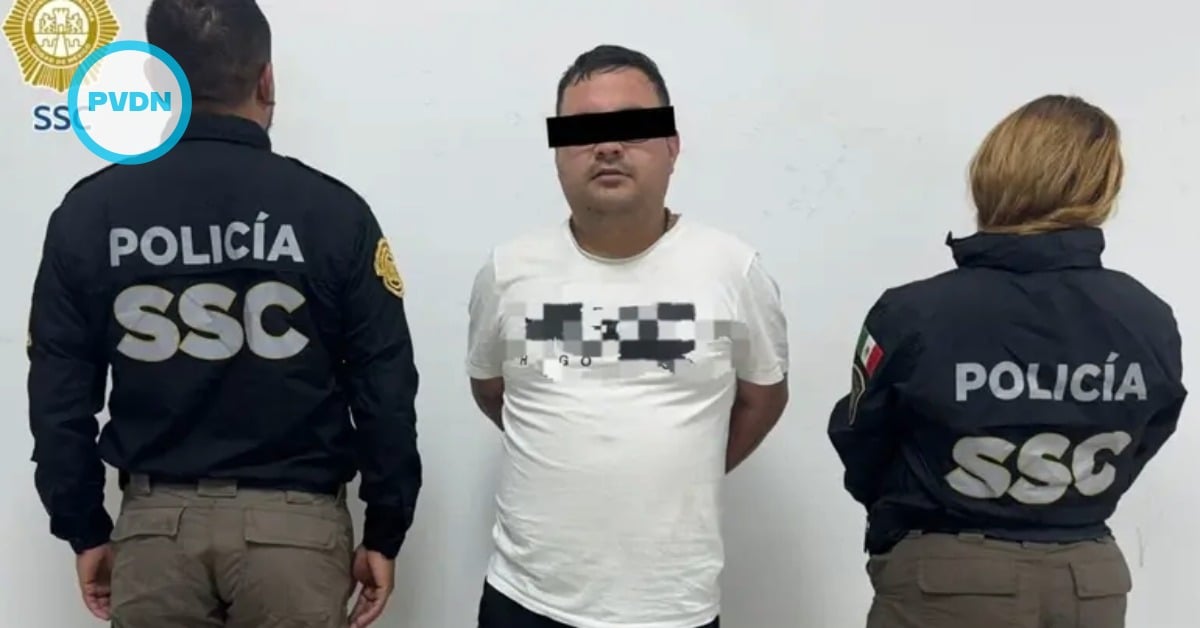
Mexico City officers executed an arrest warrant in the Olivar del Conde area of Álvaro Obregón on Tuesday, October 14. The suspect, identified officially as Sebastián “N” and named in some reports as Sebastián Cuéllar Granados, 28, was wanted for criminal association. After officers confirmed his identity on Calle 5, they notified him of the warrant and took him to the Reclusorio Preventivo Varonil Norte for a judge to define his legal status.
Authorities say the case targets a member of “Los Malcriados 3AD,” a group long blamed for drug distribution, extortion, protection rackets, and killings in the city’s west. Mexico City outlets, including La Jornada, El Universal, and Crónica, reported the exact core details on Tuesday, citing police intelligence work and the warrant issued by a Control Judge.
The bigger picture behind the Los Malcriados 3AD arrest
“Los Malcriados 3AD” built its presence in Álvaro Obregón and nearby boroughs over the last decade. Reporters and officials link the cell to founder Lenin Jonathan Canchola, who in June received a 50-year sentence for aggravated kidnapping. That ruling, handed down by a tribunal at Reclusorio Oriente, marked a rare high-profile win for prosecutors against a local gang boss. Today’s arrest fits that arc, aiming at the lower tiers that keep the enterprise moving on the street.
Police sources emphasize that the man detained today is connected to drug sales and collections, work that keeps cash flowing and fear intact in small commercial corridors. In those corridors, shop owners face “cuotas” that rise with impunity. Officials argue that removing collectors and street-level sellers can loosen the grip of organized crime. The real test will be whether complaints drop and businesses feel safe enough to stop paying.
Some coverage points to a broader map. La Jornada and Crónica note operations attributed to the group across Álvaro Obregón, Cuajimalpa and Magdalena Contreras. TV Azteca, citing security officials, also references inquiries into possible links with larger national actors; those claims remain under investigation and are described as alleged by authorities.
What changes for neighbors now
For people living near Olivar del Conde, arrests like this matter only if they reduce the day-to-day stressors: lookouts on corners, the late-night scooters, the visits for “cobro de piso.” Tuesday’s operation grew from low-profile surveillance in the same streets neighbors walk daily. Police say they tracked the suspect’s “zona de movilidad,” then moved without a chase or shots being fired. That matters to residents tired of operations that feel like a parade.
The city’s security chief, Pablo Vázquez, signaled the case as part of a larger push to break up neighborhood cells. His public note matched today’s timeline and location, and it underscored the focus on association-in-fact crimes—going after the organization, not only a single incident. Multiple outlets carried his statement or the SSC’s summary.
The person detained will appear before a judge who can impose measures while the case moves forward. That process, routine to prosecutors, can feel opaque to residents. Here’s the simple version: the warrant comes first, then a court decides what happens next. The city will point to today’s arrest as progress; people in Álvaro Obregón will determine whether the sidewalks feel any safer in the weeks that follow.