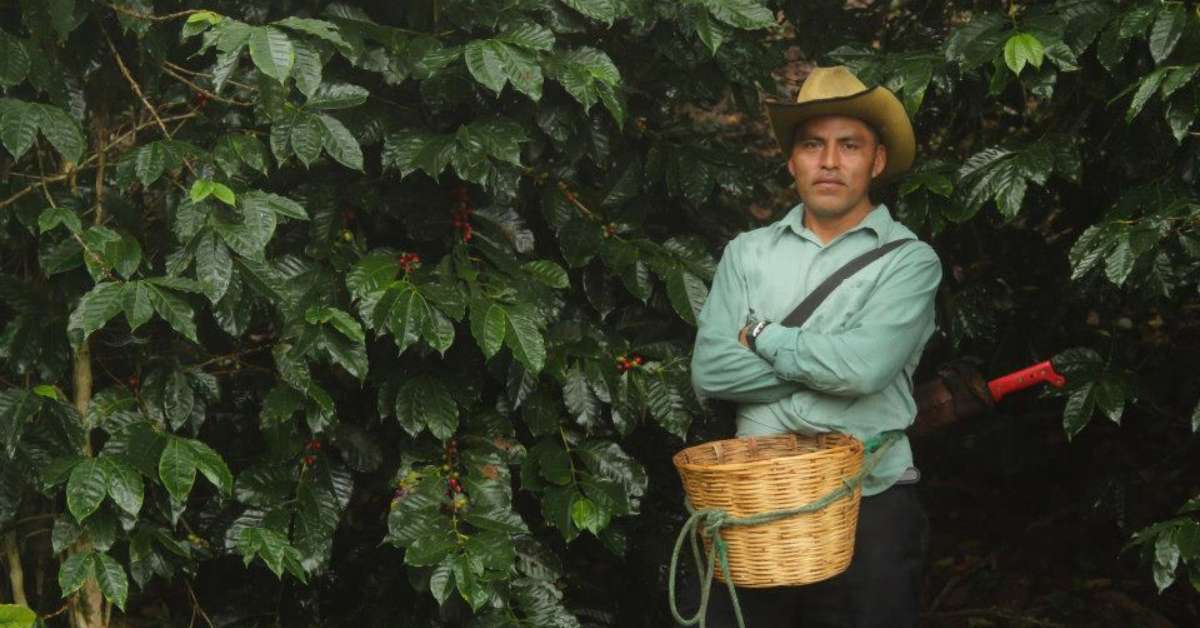
Mexico News – Mexican coffee producers reel as tariffs bite after the U.S. imposed a 25% tariff on all imports from Mexico and Canada effective March 4, 2025, under President Donald Trump’s trade measures aimed at curbing fentanyl flows. The levy immediately raised costs for green bean and instant coffee exporters, squeezing margins and forcing many growers to reconsider planting plans for the new harvest.
Duties disrupt harvest plans
Mexico ranks among the world’s top ten coffee exporters, sending both high‑grade arabica and lower‑cost robusta varieties to the United States. Yet, with the 25% duty now tacked onto every shipment, major producing states – Chiapas, Veracruz and Puebla – are feeling the strain. Many smallholders report they will lose up to a quarter of their revenue per bag, undermining investments in fertilizers and farm repairs.
According to the U.S. National Coffee Association, existing additional duties on beans from Mexico and Canada could lift U.S. wholesale prices by as much as 50%, potentially translating into higher retail costs for American drinkers. In response, some U.S. roasters have inserted contract clauses to shift the tariff burden onto buyers, leaving Mexican exporters exposed to demand uncertainty.
Industry adapts amid uncertainty
Global players like Nestlé have already moved to secure supply by investing in Mexico’s instant coffee sector. The company’s major plant near Toluca processes robusta beans sourced from thousands of local farmers, illustrating efforts to lock in domestic production for the U.S. market. Meanwhile, smaller cooperatives lack such resources and worry about cash flow, as every peso spent on the tariff is a peso not reinvested in the next crop.
Bill Murray, president of the U.S. National Coffee Association, urged the Trump administration to exempt coffee from tariffs, arguing the drink is a staple for three‑quarters of Americans and its exclusion would shield consumers and producers alike. However, the White House so far has shown little inclination to amend its broad tariff framework.
Government mulls negotiations
Mexico’s government has signaled it is actively negotiating with Washington to ease the impact before further tariff escalations elsewhere in the hemisphere. A senior Mexican official confirmed that talks are underway to reach a trade understanding ahead of upcoming deadlines, aiming to prevent a full‑blown pricing crisis for its agricultural exporters.
Producers are also eyeing alternative destinations in Europe and Asia, though logistical hurdles and quality certification requirements present formidable barriers. With regional markets organized under the International Coffee Organization facing their own price slumps, competition is fierce, and only the most synchronized supply chains will thrive.
Outlook and next steps
Growers now await the outcome of U.S.–Mexico talks and monitor parallel developments in Brazil, where a threatened 50% tariff on Brazilian coffee could further reshape global flows starting August 1. For Mexican producers, the imperative is clear: diversify buyers, streamline costs and advocate for tariff relief.
As harvest season kicks off this fall, the health of Mexico’s coffee belt will hinge on policy shifts in Washington and the sector’s agility in a rapidly evolving trade milieu. Without swift relief, many farms may face cutbacks or consolidation, altering the landscape of Mexico’s storied coffee industry.