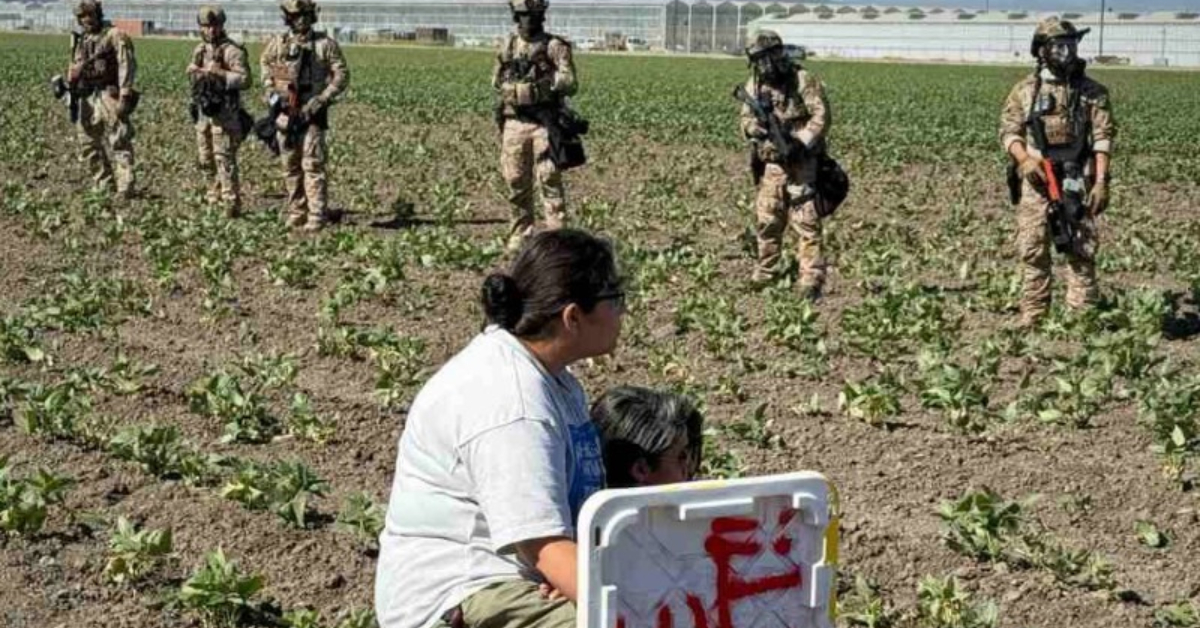
Following immigration raids Camarillo Carpinteria, the Mexican consulate in Oxnard activated support protocols, offering legal and humanitarian aid.
Local authorities in Ventura and Santa Barbara counties stepped up enforcement this week, prompting the Mexican Consulate in Oxnard to activate its response protocols after immigration raids in Camarillo, Ventura County, and Carpinteria, Santa Barbara County. Although no detentions of Mexican nationals have been confirmed, the Consulate has already put in place measures to help residents who may have been affected.
The Ministry of Foreign Affairs (SRE) underscored that consular protection teams stand ready to assist anyone detained or in need of legal and humanitarian aid. “We are monitoring the situation closely,” said a spokesperson for the SRE. “Our priority is to safeguard the rights of Mexicans abroad and provide immediate support where it’s needed.”
Local media reports indicate that the raids escalated when protesters surrounded Border Patrol agents in the fields near Camarillo. To disperse the crowd, officers deployed tear gas, heightening tension among farmworker communities and nearby residents. Witnesses describe chaotic scenes as families rushed to protect loved ones, some fearing mistaken identity or wrongful arrest.
In response, the consulate shared two critical phone lines for urgent assistance: the emergency cell at 1-805-627-3520 and the Consular Protection Line at 1-520-623-7874. These numbers connect callers to trained officials who can guide them through legal processes, arrange translators, or coordinate with local non-profit organizations for temporary shelter and medical attention.
Agricultural hubs like Camarillo and Carpinteria rely heavily on migrant labor. Many workers live in remote camps without easy access to transportation or legal clinics. The recent spike in enforcement has left families scrambling to understand their rights and locate loved ones. “Our community feels under siege,” said Ana Martínez, a local farmworker advocate. “Having the consulate step in brings hope but also underscores the fear people face every day.”
California has seen a marked rise in immigration operations in rural areas this year. Statewide, Border Patrol reported a 15% increase in actions targeting agricultural zones, citing concerns over undocumented labor. Critics argue that aggressive tactics disrupt food supply chains and violate human rights by denying due process on the spot.
The SRE has pledged to liaise directly with U.S. authorities to ensure all procedures respect international agreements and human rights standards. “We will push for transparency,” noted the foreign ministry’s representative. “Any report of mistreatment or rights violations will be documented and addressed through diplomatic channels.”
Legal experts warn that those affected should document every detail: names of officers, exact locations, and any injuries sustained. Consular officers can assist in filing formal complaints or seeking bond hearings. In cases where detainees lack proper identification, the consulate can verify nationality and work to secure release under Mexican jurisdiction.
Beyond immediate legal aid, the consulate is coordinating with local NGOs to provide humanitarian support. This includes temporary housing, food distribution, and medical services for children and pregnant women. Community centers in Oxnard and Santa Barbara counties have opened their doors for informational workshops and “know-your-rights” sessions.
Farmworker unions are calling for a moratorium on raids until better protections are in place. Their proposal includes mobile legal units that travel directly to agricultural sites, ensuring workers have real-time access to counsel. Supporters argue this model has succeeded in other states, reducing fear-driven flight that disrupts harvests and local economies.
As tensions simmer, residents are urged to stay informed. The Mexican consulate recommends following official social media channels for updates and verifying any third-party offers of legal help. The consulate’s teams remain on standby 24/7, ready to react to new developments and ensure that every Mexican national in need receives prompt assistance.
With enforcement showing no signs of slowing, the collaboration between consular authorities, NGOs, and community leaders aims to build a stronger network of support. It highlights the essential role of diplomatic missions in protecting vulnerable populations far from home, reinforcing that even in moments of crisis, no one stands alone.