Mexico says it wants to rely less on foreign natural gas and produce more at home, even as it pushes a cleaner electricity plan. The announcement sounds simple, but the strategy opens a broader debate about cost, timing, water use, and the reality of energy independence. For many readers, the real question is not whether Mexico wants more gas, but how fast that could change electricity supply, prices, and long-term energy policy.
Mexico links more gas production to energy security
Mexico’s government says it will increase domestic natural gas production as part of a broader push for energy security, while also moving faster on its electricity transition plan. The announcement came from Energy Secretary Luz Elena González, who said the country needs to reduce its dependence on foreign gas and strengthen supply for power generation, industry, and other strategic uses.
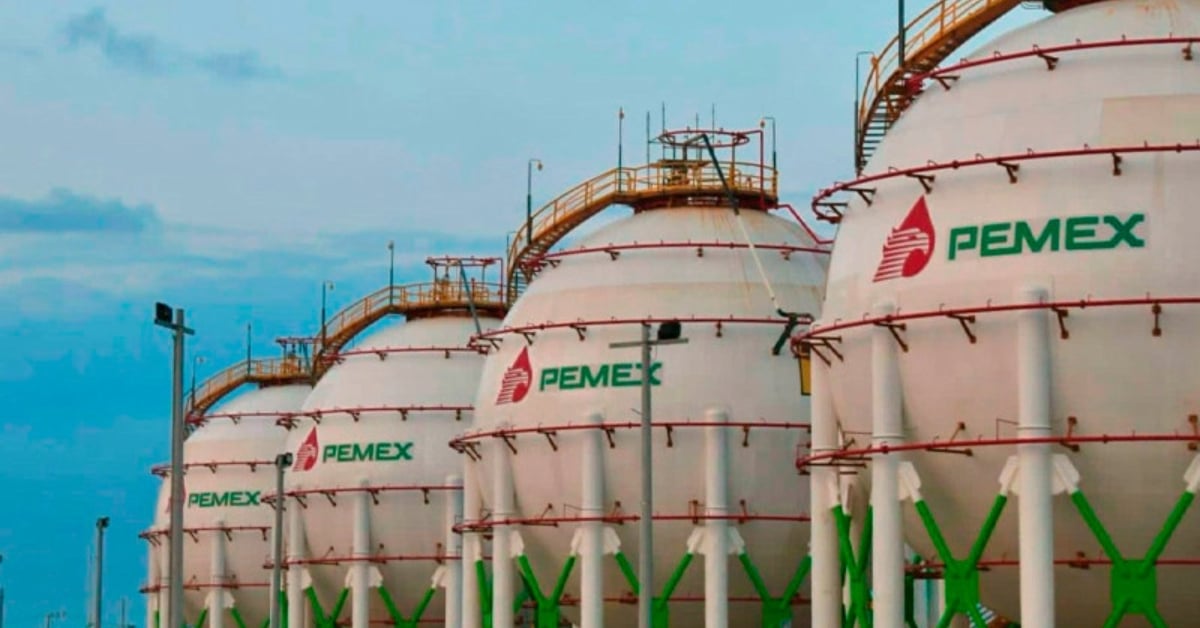
The timing matters. Mexico now consumes far more gas than it produces. Officials say the country uses about 9 billion cubic feet per day, while Pemex produces roughly 2.3 billion. The rest is imported, mostly from the United States. That gap has become a central weakness in Mexico’s energy system because gas is deeply tied to electricity generation and industrial activity. When officials talk about energy sovereignty, this is what they mean in practical terms: keeping the lights on, keeping factories running, and reducing exposure to outside disruptions.
The government is also tying this plan to its cleaner electricity goals. González said Mexico wants to accelerate its transition so that renewable sources account for a larger share of generation by 2030. That lets the administration argue that more gas production and a cleaner grid are not competing ideas, but part of the same strategy. In that view, gas serves as a bridge fuel as the country expands renewable capacity.
Why gas matters so much in Mexico
For many international readers, the story may sound odd at first. Mexico is an oil producer, so it can seem surprising that it depends so heavily on imported gas. But the two are not the same market. Over the years, Mexico’s power sector and many industries have become increasingly reliant on natural gas, especially pipeline gas arriving from the U.S. That dependence grew because imported gas was widely available, often cheaper, and easier to integrate into power generation than many domestic alternatives.
That relationship has deepened in recent years. U.S. energy data show pipeline exports to Mexico hit record levels in 2024 and reached a monthly record in May 2025. That helps explain why the issue has moved higher on Mexico’s political agenda. The country is not dealing with a small supply gap. It is dealing with a structural reliance on imported fuel that sits at the heart of the electricity system.
For households, this does not mean people are cooking with U.S. gas in some direct way. It means imported gas helps support the power plants that feed the grid and the industrial activity that shapes broader prices across the economy. That is why officials present the issue as bigger than the oil sector or Pemex alone. In their view, gas dependence is a national vulnerability.
What the government is actually proposing
The government’s message is broader than a simple production boost. It proposes a path that includes greater output from conventional gas and a closer look at non-conventional reserves, including shale formations commonly developed through hydraulic fracturing, or fracking. Officials have largely avoided using that word in public remarks, but the policy direction is now much clearer than before.
Sheinbaum said a technical committee will spend the next two months examining extraction methods that the government says could lower environmental harm. The administration has pointed to the possible use of non-potable water, recycled water, or less harmful chemical mixes. The goal is to frame any new extraction plan as more controlled and more sustainable than earlier versions of fracking that became politically toxic in Mexico.
At the same time, the government has signaled that this is not a quick fix. Reporting on the plan indicates Pemex expects to begin extracting gas from non-conventional fields in 2027, with the larger production gains coming later. That is an important point for readers. The announcement changes the direction of policy, but it does not suddenly change Mexico’s supply balance this year. Even under the government’s own framing, the benefits would come gradually.
Why the policy is likely to face resistance
The biggest source of tension is clear. Fracking has long been controversial in Mexico because of concerns over water use, chemical additives, local environmental damage, and weak oversight. That makes the new position politically sensitive. Sheinbaum came into office with strong environmental credentials and a public commitment to expand renewable energy. Opening the door to unconventional gas extraction creates an obvious contradiction that opponents will press hard.
The controversy is also larger than the environment alone. The government is asking the public to believe two things at once: that Mexico should move faster toward cleaner electricity, and that it should also revisit a fossil-fuel extraction method that has been widely criticized for years. Officials say those ideas can coexist because gas remains necessary for grid stability and industrial demand. Critics will argue that the shift risks locking the country deeper into fossil-fuel infrastructure just when it should be moving faster in the opposite direction.
There is also the question of execution. Producing significantly more gas at home takes money, technology, infrastructure, and time. It also requires environmental controls that people trust. Announcing a committee is one thing. Delivering a credible regulatory and operational model is another. That gap between political message and technical reality will shape the next phase of the story.
What it could mean for readers living in Mexico
For expats and other residents, the most important takeaway is that this is a medium-term energy strategy, not an immediate pocketbook change. The announcement does not mean household electricity bills are about to fall or that Mexico will quickly stop relying on imported gas. What it does mean is that the federal government sees gas dependence as a national risk and is now willing to take more politically difficult steps to reduce it.
If the strategy works, Mexico could become less exposed to external supply shocks, geopolitical conflict, and bottlenecks tied to U.S. pipeline flows. That would matter for electricity reliability, industrial planning, and the broader cost of running the economy. If the strategy stalls, Mexico will likely remain heavily dependent on imported gas while continuing to expand renewable generation.
That is why this story matters beyond the energy beat. It is not only about drilling or Pemex. It is about how Mexico plans to power homes, businesses, and growth in the next decade. The government has now made its choice clear: it wants more domestic gas, more control over supply, and a cleaner grid on paper at the same time. The hard part starts now, because turning those goals into a workable plan will be much more difficult than announcing them.