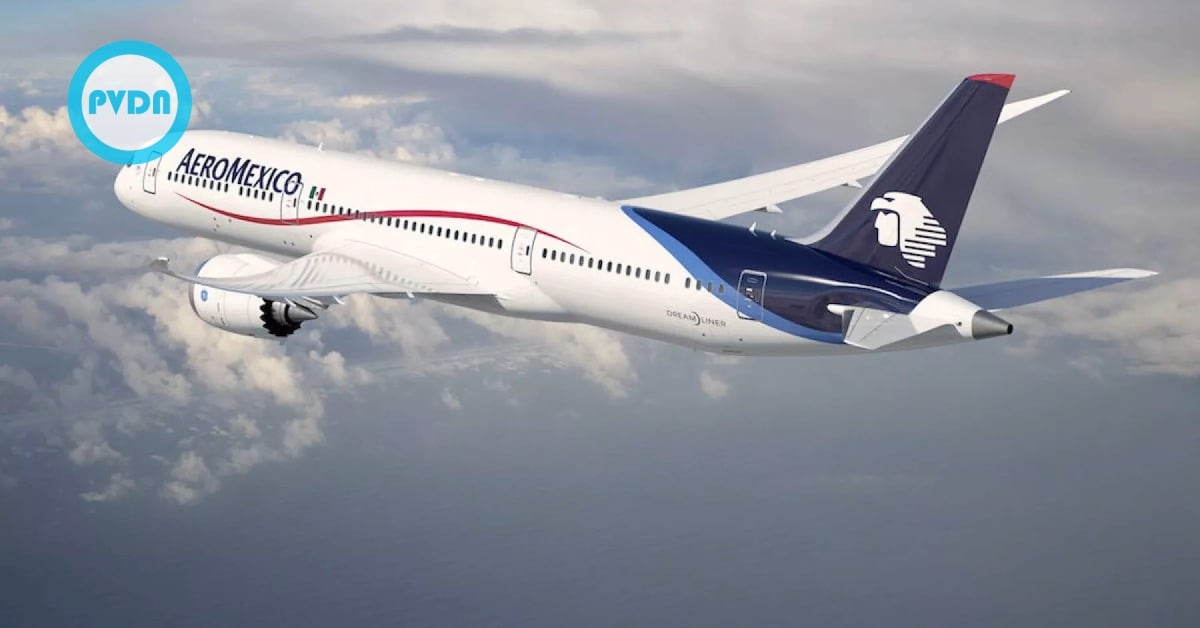
Mexico’s president is questioning the U.S. order that unwinds the Aeromexico Delta alliance, suggesting “other interests” are driving the move. Washington says Mexico broke a 2015 air-services deal by squeezing capacity at Mexico City’s main airport and shifting cargo to Felipe Ángeles, tilting the playing field. The final order sets a January 1, 2026, end date. Both airlines say they’ll keep flying, but the joint venture that made schedules and pricing seamless must go. The fight now is over blame—and what it means for travelers and trade.
Aeromexico Delta alliance
Mexico’s president said Monday that “otros intereses” — “other interests” — are behind the U.S. decision to end antitrust immunity for Aeroméxico and Delta, rejecting Washington’s rationale and signaling her government will examine who stands to gain. Her remarks followed the U.S. Department of Transportation’s final order instructing the carriers to unwind their nine-year joint venture.
The DOT’s ruling, issued Sept. 15, orders the breakup to take effect on Jan. 1, 2026, withdrawing approval and antitrust immunity that had allowed the two airlines to coordinate pricing, schedules, and capacity on U.S.–Mexico routes. The department argues Mexico violated the 2015 Air Transport Agreement by curbing access at Mexico City International Airport (AICM) and mandating cargo moves to Felipe Ángeles (AIFA), changes that the U.S. says distorted competition.
Delta publicly acknowledged the order and its timeline, calling it a disappointment but saying both carriers would continue serving customers while the joint venture winds down. The agency’s final order caps a summer process that began with a supplemental “show-cause” notice in July; the docket traces the alliance back to its 2016 approval.
What Washington says changed
U.S. officials contend Mexico’s airport policies created “unfair advantages” and broke the spirit of the cross-border aviation deal, citing slot limits and operational constraints at AICM and the shift of freighters to AIFA. They say those decisions harmed U.S. carriers and undermined the competitive balance that justified immunity in 2016. A final order published in the federal docket formalized the termination last week.
Mexico disputes that narrative. President Claudia Sheinbaum insists the AICM measures were technical steps to ease congestion, not to target U.S. airlines, and suggests unnamed players could benefit from dissolving the tie-up. Her “other interests” remark landed as Mexico weighs next steps and potential responses. Independent coverage the past week has echoed the political stakes as much as the commercial ones.
What flyers should expect next
For travelers, the headline is not canceled flights tomorrow but a change in how the two airlines work together by early 2026. Codeshares and reciprocal benefits may survive in some form, but the deep coordination on routes and fares—the spine of the joint venture—must end under the DOT order. Reporting from Reuters and industry outlets notes both airlines plan to maintain service while they adapt their networks. Expect schedule tweaks and fewer “seamless” connections as the deadline approaches.
Behind the scenes, the dossier shows why regulators concluded the old approvals no longer held. After nearly a decade of filings, the department said its 2016 findings “are no longer valid,” pointing to market changes and alleged treaty noncompliance. That conclusion paved the way for the immunity withdrawal and the early-2026 unwind date.