Finding a cheap apartment for rent in Mexico is becoming harder, especially for people who rely on online listings. The problem is not only that rents are rising. It is also that the affordable rental market is often not visible on the platforms that many renters now use first.
Mexico’s rental market increasingly works like two separate systems. One is digital, formal, and often expensive. The other is local, informal, and usually cheaper. The second market is still large, but it is much harder to search from a phone or computer.
That gap matters for foreign residents, new arrivals, retirees, students, and Mexican families alike. Anyone who starts with the major listing sites may see a market that leans toward newer buildings, better locations, parking, amenities, and higher prices.
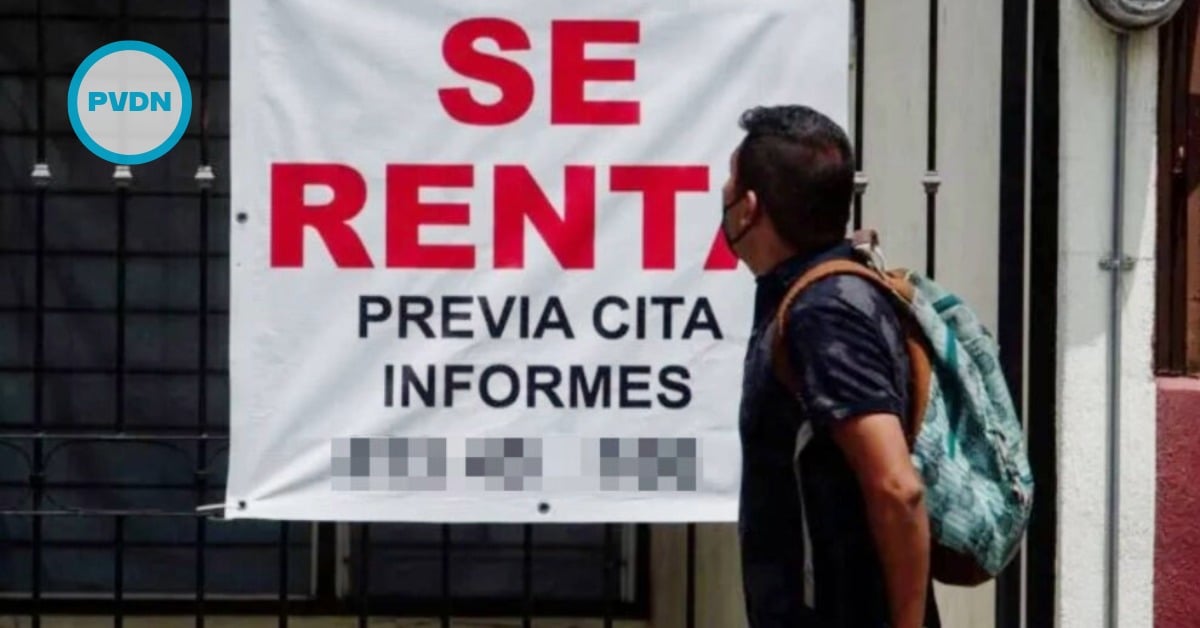
The cheaper apartments often remain off-platform. They may be advertised through a handwritten sign, a local Facebook group, a neighborhood contact, a small property manager, or a direct landlord. For renters who do not know the neighborhood, speak limited Spanish, or lack local contacts, those options can be easy to miss.
Mexico now has two rental markets
Housing specialists describe a clear divide between the digital rental market and the wider real-world rental market. The digital market is easier to search, but it does not show the full picture.
Recent analysis based on official household data and online listings found that Mexico had about 6 million rental homes in 2024. When the count is narrowed to apartments, homes in vecindades, and rooftop rooms, the total is about 2 million.
Yet the number of active rental listings visible through major digital channels is much smaller. One market sample cited by housing analysts identified about 44,700 homes for rent across major portals. That figure includes both houses and apartments.
This means online platforms capture only a small slice of Mexico’s rental supply. It also means renters can wrongly assume that high online prices reflect the whole market. In reality, the visible market is often tilted toward higher-value properties.
For someone moving to Mexico, this can create confusion. A retiree searching from abroad may see prices that seem closer to U.S. or Canadian expectations. A local worker may know those prices are not typical for every neighborhood, but may still struggle to find available units.
Why online rents look so high
Online listings often show asking prices rather than final negotiated rents. They also tend to feature properties aimed at middle- and upper-income renters.
The price gap is large. One comparison found that average rents from official housing survey data were around 3,400 pesos per month. The average price in digital listings was about 25,200 pesos.
Median prices showed the same divide. Official survey data placed the median rent at about 2,300 pesos. Digital listings showed a median of around 22,000 pesos.
That does not mean every renter can find a decent apartment for 2,300 or 3,400 pesos. Conditions, location, safety, commute time, and property quality vary widely. But it does show that online listings are not a neutral mirror of the market.
The cheaper rental stock is often older, smaller, farther from high-demand zones, or handled through informal channels. It may also involve less paperwork, fewer amenities, and more direct negotiation with landlords.
For renters, the result is frustrating. The apartments that are easiest to find are often the least affordable. The apartments that may fit a lower budget require more time, local knowledge, and in-person searching.
The burden is heavier for lower-income renters
The rental squeeze affects people differently. Higher-income renters may dislike rising prices, but they usually have more choices. Lower-income renters face a more serious trade-off between rent, food, healthcare, transportation, and family needs.
Household data has shown that renters in lower-income groups spend a much larger share of their income on housing. That pressure can limit savings and make families vulnerable to sudden rent increases.
This is one reason housing affordability has become a policy issue, not just a personal finance issue. When rents rise faster than wages, the effects spread through local economies. Workers move farther away, commute times grow, and neighborhoods lose long-term residents.
In tourist and expat-heavy cities, the pressure can feel sharper. Areas with strong short-term rental demand may attract landlords who prefer higher-paying temporary guests. That can reduce the number of long-term rentals available to residents.
This does not mean foreigners are the only cause of rising rents. Mexico’s housing problem is broader. It includes land prices, construction costs, limited affordable housing, weak rental data, and uneven local regulation.
Still, foreign demand can add pressure in specific neighborhoods. That is especially true in places where remote workers, retirees, and tourists compete for homes near services, beaches, restaurants, and walkable areas.
Why Mexico City is central to the debate
Mexico City has become the clearest example of the rental affordability debate. The capital has large numbers of renters, fast-changing neighborhoods, and intense pressure from tourism, short-term rentals, and new development.
The local government has promoted proposals to limit excessive rent increases and strengthen tenant protections. The debate includes ideas such as tying rent hikes to inflation, creating stronger tenant defense mechanisms, and expanding social or affordable housing.
These proposals remain politically sensitive. Tenant groups argue that rent controls and legal support are needed to reduce displacement. Property owners and real estate groups often warn that strict rules can discourage investment or push more rentals into informality.
Both concerns matter. A rental system needs tenant protections, but it also needs enough housing supply. If rules drive owners out of the long-term market, the shortage can worsen. If there are no protections, renters can face sudden increases, evictions, or unclear contract terms.
The broader issue is that Mexico’s rental market has grown faster than its public policy tools have. Data remains incomplete, many rentals are informal, and affordable units are hard to track.
The national housing policy is shifting
Mexico’s federal housing policy is also beginning to acknowledge that renting is no longer a side issue. The National Housing Program for 2026–2030 includes rental housing among its lines of action.
The program calls for promoting social rental housing and financing schemes for people in vulnerable situations. It also includes housing options for young people and support for denser urban housing models, including rental and multifamily housing.
This marks an important shift. For decades, Mexican housing policy focused heavily on ownership. That made sense for many workers with access to formal credit. But millions of people do not qualify for traditional mortgages or cannot afford to buy in the areas where they work.
International housing policy experts have also pointed to Mexico’s underdeveloped rental market. They have argued that expanding social rental housing and improving legal frameworks could help low- and middle-income households.
That does not solve the immediate problem for renters searching today. But it shows that policymakers are starting to treat rental housing as a core part of the housing system.
What this means for foreign residents in Mexico
For foreign residents, the main lesson is simple. Online listings can be useful, but they may show the most expensive version of the market.
People moving to Mexico often search before arriving. That can be necessary, but it can also lead them toward inflated prices. In many cities, better long-term options may only become apparent after spending time in the neighborhood.
This is especially true outside luxury zones and tourist corridors. Local landlords may not advertise in English. Some may not use major platforms at all. Others prefer referrals because they want renters who are stable and known through a trusted contact.
Foreign renters should also understand that cheaper does not always mean better value. A low rent can come with poor maintenance, weak water pressure, noise, unclear contracts, or long commutes. The best option is usually not the cheapest listing, but the one that balances price, location, safety, and reliability.
The growing split between digital and informal rentals also creates an access problem. People with local networks have an advantage. People searching remotely often pay more because they can only see what is publicly listed.
The search for affordable housing is becoming less transparent
The phrase “affordable rental” now means different things depending on where a person is looking. On digital platforms, affordable may mean anything below 15,000 pesos. In local neighborhood markets, it may mean much less.
That lack of transparency hurts renters. It also makes the market harder for policymakers to understand. If the visible data comes mostly from higher-end listings, decisions may be based on an incomplete picture.
The bigger concern is that affordable housing is becoming increasingly inaccessible to the people who need it most. A renter with time, Spanish skills, and local contacts may still find a modest apartment. A renter without those advantages may face a much narrower and more expensive market.
Mexico’s rental challenge is not only about rising prices. It is also about visibility, access, and trust. Until more of the rental market becomes transparent, affordable apartments will remain available in some places but will be nearly impossible to find through formal channels.