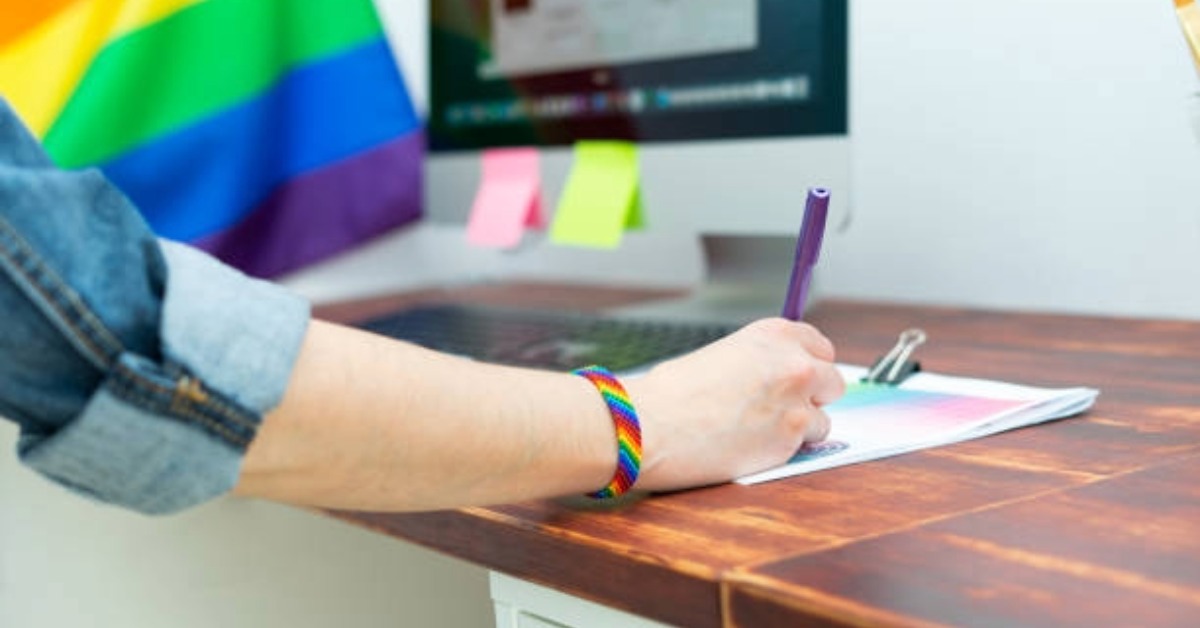
Pride messaging is easy to spot in Mexico each June. The harder question is what happens inside workplaces after the rainbow logos come down. A new discussion around Queer Friendly policies is putting pressure on companies to demonstrate whether their support for LGBTQ+ people extends to hiring, promotion, training, bathrooms, uniforms, and everyday office culture. The issue is especially direct for young LGBTQ+ workers, who may face risk long before they have stable jobs or influence at work.
Companies face questions beyond Pride messaging
Companies in Mexico are being pressed to show whether their public support for LGBTQ+ people matches their internal workplace practices.
The discussion centers on queer-friendly workplace policies and the risk of queer washing, a term used when companies show public support for LGBTQ+ people without building internal rules that protect them.
Henkel, L’Oréal, Pepsi, Shake Shack, EY, and Cox were among the companies involved in creating internal policies aimed at creating safer, more inclusive workplaces.
The issue comes as Pride-related campaigns become more visible in Mexico. For workers, job applicants, and customers, the question is no longer whether a brand uses Pride messaging. It is whether that message is backed by hiring practices, promotion rules, training, and daily treatment at work.
What Queer Friendly means at work
The Trevor Project México has released a workplace guide aimed at LGBTQ+ people, allies, human resources staff, and team leaders.
The guide focuses on practical steps for creating workspaces where people can be open about who they are without facing hostility or exclusion.
Those steps include inclusive language, internal policies, training, promotion practices, and gender-neutral spaces, including bathrooms and uniforms.
The workplace issue can begin before someone is hired. Unsafe environments can include denied job interviews, ignored opinions from LGBTQ+ staff, blocked advancement, or limited professional development.
For foreign residents in Mexico who own businesses, manage staff, or work in local companies, this is also a workplace-compliance issue. Mexican labor law defines decent work as work free of discrimination, including discrimination based on sexual orientation.
Youth safety is part of the workplace debate
The Trevor Project’s Mexico work focuses on LGBTQ+ youth, including mental health and crisis support.
Its 2024 national survey gathered responses from more than 10,000 LGBTQ+ young people aged 13 to 24 in Mexico. The survey found that more than half of the participants seriously considered suicide in the previous year.
The report also found that access to affirming spaces can help protect LGBTQ+ youth from depression, anxiety, and suicide risk.
That context matters for workplace policy because many young people enter jobs while still dealing with unsafe conditions at home, school, or in public life. A workplace can become another place where they hide, withdraw, or face pressure to mask parts of their identity.
The Trevor Project México also offers free, confidential support 24 hours a day through WhatsApp and online chat for LGBTQ+ youth in Mexico.
The gap companies are being asked to close
The pressure on companies is not only about making public statements during Pride season.
The larger issue is whether companies have written policies, trained managers, and clear procedures for reporting discrimination or harassment.
For employees, a public Pride campaign may create expectations. If the internal culture does not align with the message, the gap can undermine trust and leave workers without real protection.
For companies operating in Mexico, the discussion situates workplace inclusion within a measurable framework. Public support is visible. Internal practices are harder to see, but they are what workers experience every day.