Mexico’s inflation finally cooled in April after three straight months of acceleration, giving households a small sign of relief. But the headline number does not tell the full story. Prices for everyday foods, including jitomate, chile serrano, and potatoes, continued to climb sharply. The latest figures also leave Banxico with a difficult choice as it weighs interest rates, slower growth, and stubborn price pressure in the months ahead.
Mexico inflation slows in April, but remains above target
Mexico’s annual inflation rate slowed to 4.45% in April, easing after three straight months of acceleration. The slowdown offered some relief after inflation reached 4.59% in March.
Even with the improvement, inflation remained above the Banco de México target of 3%, plus or minus one percentage point. That target range is closely watched because it helps guide interest rate decisions, borrowing costs, and expectations for future prices.
The National Consumer Price Index rose 0.20% from March to April. In April 2025, annual inflation stood at 3.93%, indicating that price pressure remains higher than a year earlier.
For households, the April figure may not feel like a major break. Inflation slowed on paper, but many basic items continued to rise. That is especially clear in food prices, where some of the largest increases were concentrated in produce.
Food prices continue to pressure household budgets
The sharpest pressure came from fruits and vegetables, which rose 21.43% annually. That category has become one of the main reasons many families still feel squeezed, even when the national inflation rate appears to be easing.
Jitomate stood out again. Its price rose 19.25% in April alone and more than doubled compared with a year earlier. Chile serrano rose 36.27% for the month, while potatoes and other tubers increased 12.23%.
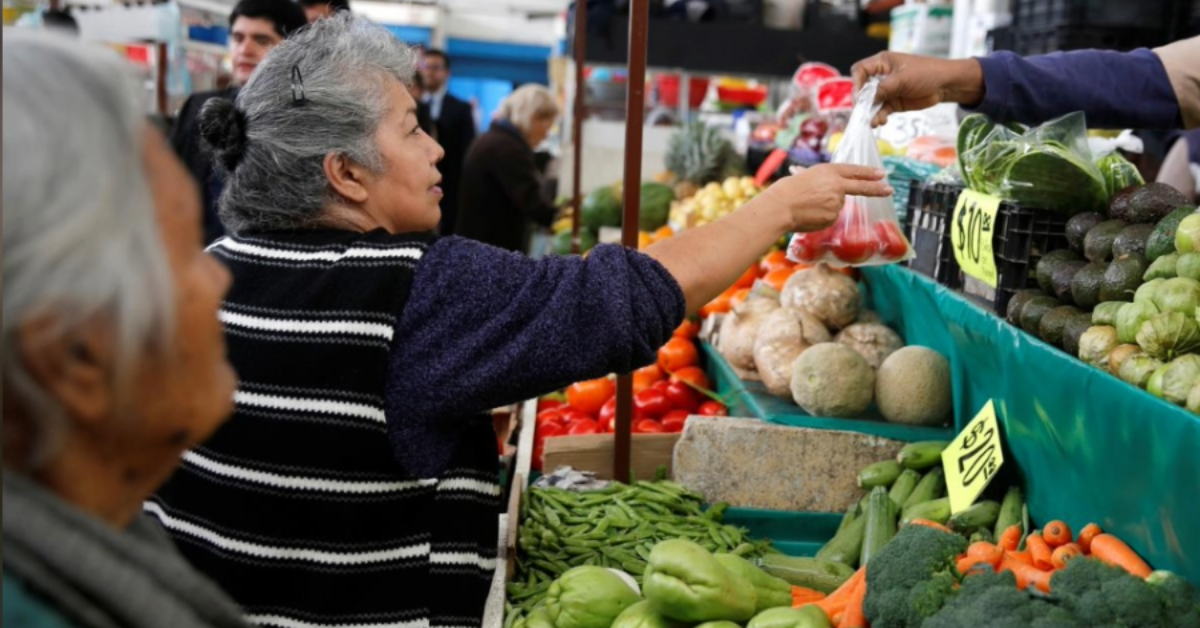
Those increases matter because these are not luxury purchases. They are common ingredients in Mexican kitchens, restaurant menus, and daily grocery baskets. For expats and retirees living in Mexico, these price changes are often noticeable during weekly shopping, especially when buying fresh food in markets or supermarkets.
Other items also added pressure. Housing costs rose modestly, while urban bus fares, high-octane gasoline, LP gas, and food service businesses such as loncherías, fondas, torterías, and taquerías also contributed to the monthly increase.
At the same time, several products helped hold the overall number down. Electricity prices fell 14% in April, largely due to seasonal warm-weather tariff adjustments in several cities. Tomate verde, chicken, eggs, squash, limes, and air travel also fell during the month.
Core inflation shows slower but steady pressure
The core inflation rate, which excludes more volatile goods such as food and energy, slowed to 4.26% annually in April. This measure matters because it is often viewed as a better sign of where inflation may be headed over time.
Within core inflation, merchandise prices rose 3.99% annually. Services rose 4.52%, indicating that price pressure remains in areas such as housing, restaurants, personal services, and other day-to-day expenses.
For Banxico, core inflation remains important because it tends to move more slowly than produce or fuel prices. A lower headline rate can be welcome, but policymakers usually want to see a clearer cooling trend in core prices before declaring inflation under control.
The non-core inflation rate was 5.08% annually. This category includes more volatile goods, including agricultural products, energy, and government-authorized prices. Agricultural goods rose 7.98%, while fruits and vegetables remained one of the strongest sources of pressure.
What the latest figures mean for Banxico
The April inflation report arrived as markets were watching Banxico’s next interest rate decision. At the time of the release, the benchmark rate stood at 6.75%, and analysts were watching whether the central bank would cut it to 6.50%.
Lower interest rates can support borrowing, investment, and economic activity. They can also reduce returns on peso-denominated assets and affect the exchange rate. That is why inflation data carries weight for residents who follow the peso, mortgage costs, credit cards, or business lending.
Banxico has been trying to balance two concerns. Inflation is still above target, but the economy has shown signs of weakness. Cutting rates too quickly can risk keeping inflation higher for longer. Holding rates too high can slow spending and investment.
April’s data gives both sides something to point to. Inflation cooled, which supports the case for a rate cut. But food prices and core inflation remain elevated, which supports caution.
The grocery basket tells a different story
For many households, the national inflation rate is only part of the story. A person who rents, uses public transportation, and buys fresh produce may experience inflation differently from someone with a fixed mortgage and lower grocery spending.
That is why the April report may feel mixed. Electricity discounts and lower prices for some foods helped reduce the monthly inflation figure. But big increases in jitomate, chiles, and potatoes continue to affect everyday meals.
Restaurant and taco stand prices are also important. Many residents do not only feel inflation at the supermarket. They also see it in small neighborhood restaurants, food stalls, and prepared meals. When produce, rent, gas, and labor costs rise, those pressures can be passed on to menu prices over time.
This makes April’s slowdown real, but limited. The headline rate moved in the right direction, yet the details show that household budgets remain under pressure.
Inflation is easing, not solved
Mexico’s April inflation report marked a change after several months of acceleration. That matters because it suggests price growth may not be moving steadily upward.
Still, inflation remains above Banxico’s comfort zone. Food prices remain a concern, and core inflation remains above the central bank’s target. The next few months will show whether April was the start of a steadier cooling trend or only a brief pause in a difficult price cycle.
For consumers, the practical takeaway is more direct. Overall inflation slowed, but the cost of many familiar grocery items continues to rise. Until food prices cool more broadly, many households may not feel much relief.