After a hotter March, Mexico’s annual inflation slowed to 4.53% in the first half of April. The decline matters because Mexico measures inflation twice a month, providing an early read on the pressure on household budgets. On the surface, the report shows some improvement. In practice, it shows a more uneven picture. The headline rate eased, but several everyday items still rose fast enough to keep many families from feeling much relief in their weekly spending.
That distinction matters for international readers. A lower inflation rate does not mean prices fell across the board. It means prices rose more slowly than before. In the first half of April, Mexico’s consumer price index increased 0.11% from the previous half-month. Core inflation, which strips out the most volatile items and is watched closely by policymakers, rose 0.18% in the period and stood at 4.27% annually. The non-core index remained higher at 5.41% annually, even after a short-term drop, partly due to lower electricity rates in warm-season cities.
Why the slowdown matters
The annual rate had reached 4.63% in the first half of March, so April’s 4.53% reading points in a better direction. But it does not mean inflation is back under control. Banxico targets 3% inflation, with a one percentage-point variability interval above or below that goal. At 4.53%, headline inflation remains above the top of that range. That keeps inflation firmly in the policy conversation and leaves little room to treat this as a solved problem.
A closer look at the report helps explain why public perception can stay tense even when the headline improves. Food and non-alcoholic beverages were up 6.68% from a year earlier. The minimum consumption basket, which is a better proxy for basic day-to-day spending, rose 4.73% annually. Those figures help explain why many households may feel the cost of living more sharply than the main inflation number suggests.
What pushed prices up and down
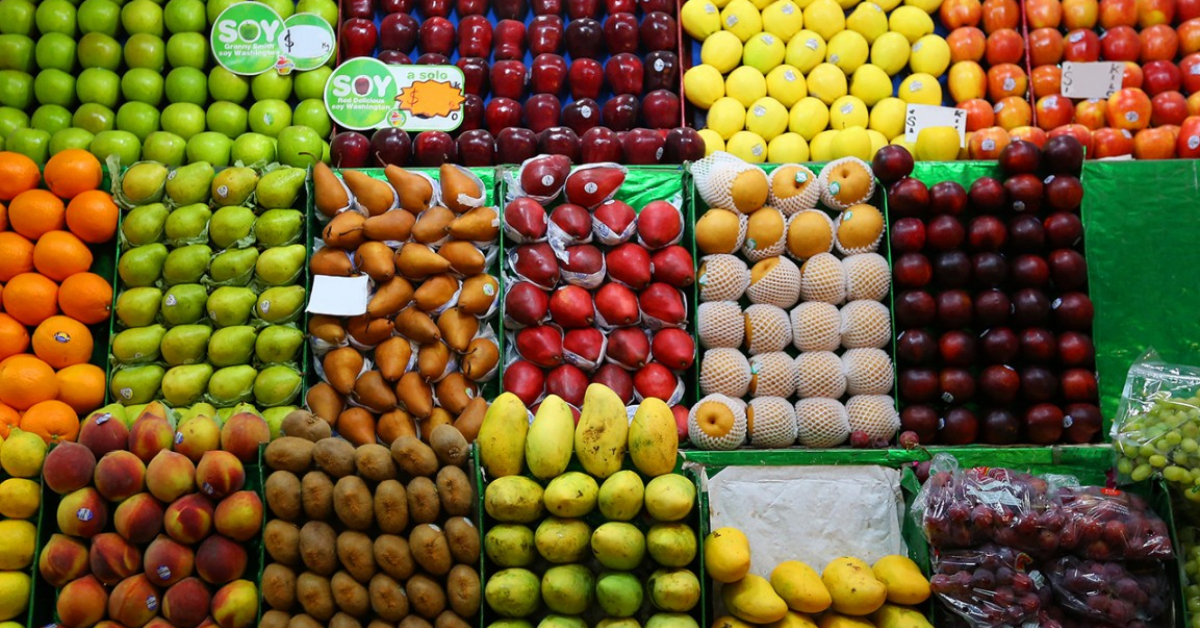
The biggest upward push came from jitomate, the red tomato used in daily cooking across Mexico. Its price jumped 24.37% in the half-month. Chile serrano rose 21.94%, while urban bus fares increased 3.34%. Premium gasoline also rose, up 2.97%. These are not marginal categories. They affect meals, transport, and fuel costs, which is why a softer headline can still feel hard on daily budgets.
Some prices moved lower, helping keep the overall figure down. Electricity fell 14.00% in the half-month because seasonal warm-weather tariffs began in 18 cities. Tomate verde dropped 26.86%, airfare fell 11.65%, and chicken also declined. That matters because the easing was not broad and uniform. Part of it came from seasonal utility adjustments and from price drops in categories that can swing sharply from one reporting period to the next.
Why Banxico is still not finished
For Banxico, this is a mixed report. The direction improved, but the work is not done. In March, the central bank cut its benchmark rate by 25 basis points to 6.75%. At the same time, it revised near-term inflation forecasts upward and said that headline inflation is now expected to converge to the target later than previously anticipated. It also continued to warn that the balance of risks remains tilted upward.
That caution is important. The bank has pointed to several risks that could keep inflation from falling smoothly. Those include global conflict, cost pressures, possible peso weakness, and climate-related shocks. Monetary policy responds to trends, not to one good half-month report. If volatile food prices cool briefly but core inflation stays sticky, policymakers will still have to move carefully.
What this means for households in Mexico
For people living in Mexico, especially retirees and others on fixed incomes, the practical lesson is simple. The inflation story is now less about whether the headline number moves a few tenths and more about where prices are rising. Grocery bills can still jump even when the national average improves. Transport can still cost more. Fuel can still add pressure. Utility relief may show up in some places, but not everywhere, and not always for long.
This is why inflation stories often feel disconnected from daily experience. The national rate is real, but it averages many different movements. A household that cooks at home may notice tomatoes and peppers first. A frequent traveler may notice cheaper airfare. A resident in a city covered by seasonal electricity tariffs may see temporary relief on power bills. The first-half April report suggests inflation is no longer accelerating as it did in March, but it also shows the squeeze on household budgets has not fully eased.