Mexican naval forces say they have already seized more than 11 tons of cocaine at sea in 2026, along with boats, fuel, engines, and 19 detainees. The number points to a busy first stretch of the year on Mexico’s maritime routes. It also offers a window into how cocaine moves north, why semi-submersibles and fast boats still matter, and why officials view offshore interceptions as more than a headline-grabbing drug bust.
Navy says 11 tons seized at sea points to a larger trafficking story
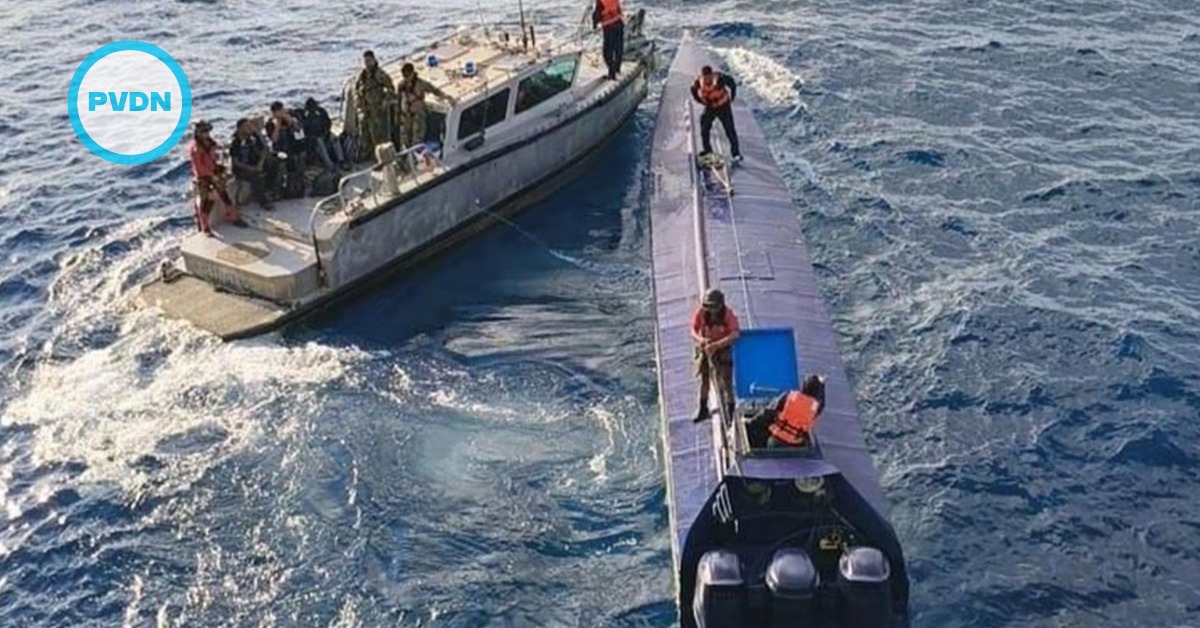
The Mexican Navy says it has seized more than 11 tons of cocaine at sea so far in 2026. Authorities also say they have taken five boats, one low-profile vessel, 11 engines, more than 5,000 liters of fuel, and detained 19 people.
That matters because the figure covers only the first months of the year. It suggests that maritime interdiction remains one of the government’s main tools for disrupting shipments before they reach ports or land routes. Officials describe these seizures as a blow to criminal finances. That may be true, but the larger point is logistical. A load lost at sea is a load that never reaches the next handoff point.
Why the sea remains central to cocaine trafficking
For many international readers, the key point is this: Mexico is often a transit country in the cocaine trade, not the main place of production. Shipments typically move north from South America by water to Mexico or Central America, then continue overland toward the United States and, in some cases, Canada.
That helps explain why Mexico’s Pacific coast appears so often in seizure reports. Fast boats can move quickly and shift routes. Semi-submersible craft can lower detection risk. Fuel, engines, and support vessels matter because trafficking networks depend on range, timing, and refueling as much as on the drug load itself.
The number did not come from one operation
The 11-ton total was not produced by a single seizure. It appears to reflect several operations over the first quarter of the year. One of the largest came in February, when authorities reported intercepting a semi-submersible off Colima carrying about four tons of cocaine and detaining three people. Another came days earlier in a joint operation with the U.S. Coast Guard, when authorities reported more than 4.5 tons west of Isla Clarión and five detainees. In March, another maritime operation added roughly two more tons.
Seen together, those cases help explain how the cumulative number climbed so quickly. They also show a pattern. These are not only port inspections or chance encounters. They are offshore surveillance operations designed to spot suspicious vessels far from land, before a shipment can be broken up and moved inland.
What big seizures can and cannot tell us
Large seizures matter, but they do not tell the whole story. They show enforcement pressure. They do not show the total supply. A rise in seizures can mean authorities are catching more shipments. It can also mean more product is moving through the same corridors.
That is why the 11-ton figure should be read carefully. It is a strong indicator of sea activity. It is not, by itself, proof that trafficking is shrinking. Drug markets adapt fast. When one route becomes harder, traffickers often test another.
Still, these operations matter because they reveal the scale of organized crime’s maritime dimension. They also show that semi-submersibles, fast boats, fuel caches, and offshore interceptions remain central to the trade. For readers in Mexico, the story is not only about one number. It is about the routes, methods, and cross-border demand that keep these operations moving.
What to watch next
The next question is whether the Navy keeps reporting this pace through spring and summer. If it does, 2026 could stand out as a notable year for maritime cocaine seizures in Mexico. Another point to watch is whether authorities release more details on where vessels were detected, how intelligence was shared, and which criminal groups were tied to the loads.
For now, the clearest takeaway is simple. The sea remains one of the most important fronts in Mexico’s anti-drug operations. And when officials say they have seized 11 tons of cocaine before mid-April, they are also saying that a major part of the trafficking battle is playing out far offshore.