The U.S. case against Sinaloa Governor Rubén Rocha Moya is now about more than criminal charges. Prosecutors are also targeting property, bank accounts, and alleged proceeds they say may be tied to cartel protection. The forfeiture language adds another layer to a case already testing Mexico’s legal system, Morena politics, and U.S.-Mexico security ties. For foreign residents in Mexico, the story matters because it touches law enforcement, sovereignty, and the reach of cartel investigations.
U.S. case now reaches money and property
U.S. prosecutors are seeking potential forfeiture of assets tied to Rubén Rocha Moya and nine other current or former Sinaloa officials accused of helping Los Chapitos, the faction of the Sinaloa Cartel led by sons of Joaquín “El Chapo” Guzmán.
The forfeiture language means the case is not limited to possible prison sentences. If the defendants are convicted, U.S. authorities could seek property, financial gains, accounts, or other assets allegedly linked to the crimes charged.
That does not mean the assets have already been seized. It also does not mean prosecutors have proven the accusations. A forfeiture claim is a legal step that allows the U.S. government to pursue money or property if it can connect those assets to criminal proceeds or tools used to support the alleged crimes.
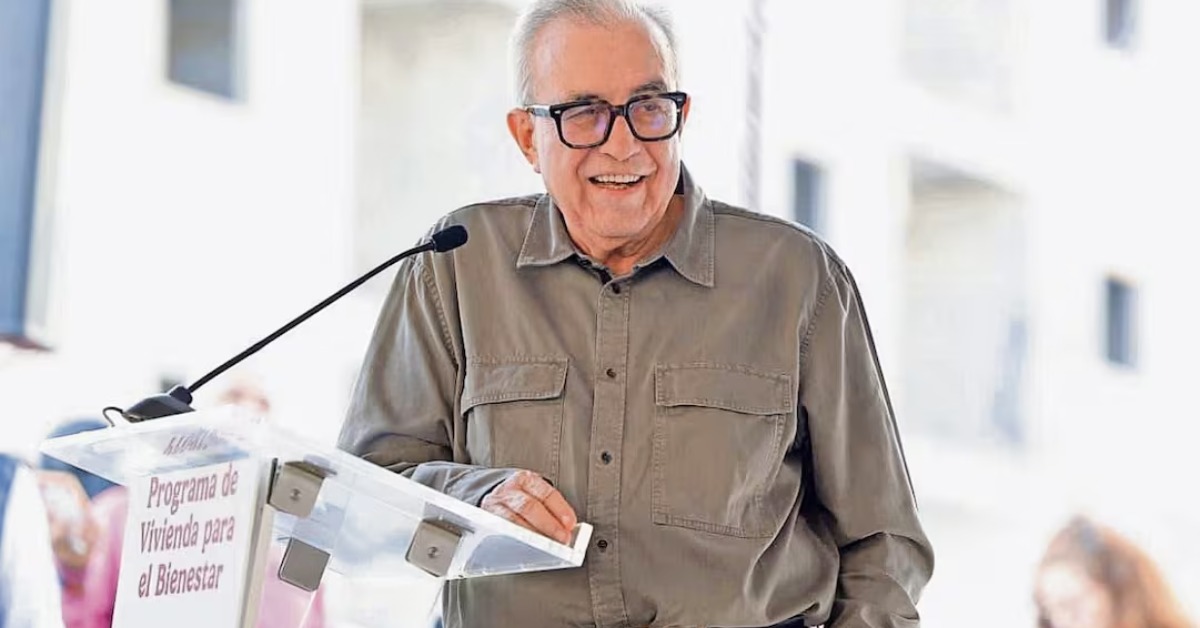
The case names Rocha, the governor of Sinaloa, along with political figures, state officials, and police commanders. U.S. prosecutors accuse them of helping cartel operations tied to drug trafficking and weapons activity. All defendants are presumed innocent unless proven guilty in court.
What U.S. prosecutors allege
The indictment accuses the group of joining a conspiracy that helped the Sinaloa Cartel move drugs into the United States. The alleged shipments involved fentanyl, heroin, cocaine, and methamphetamine.
The U.S. case focuses heavily on Los Chapitos. Prosecutors allege the faction used political protection, law enforcement contacts, and bribes to operate with less interference in Sinaloa.
Rocha is accused of attending meetings with cartel leaders before and after becoming governor. Prosecutors allege he promised protection for cartel activity in exchange for political support. The indictment also claims cartel members helped his 2021 campaign through intimidation and violence against rivals.
The accusations go beyond Rocha. The case also names figures including Senator Enrique Inzunza Cázares, Culiacán Mayor Juan de Dios Gámez Mendívil, former security secretary Gerardo Mérida Sánchez, and several state or municipal police officials.
U.S. prosecutors allege some officials received regular payments from Los Chapitos. They also allege police commanders helped protect drug loads, share sensitive law enforcement information, and shield cartel members from arrest.
One defendant, Juan Valenzuela Millán, faces additional kidnapping-related charges. Prosecutors allege those charges are connected to the deaths of a DEA source and a relative in 2023.
Why the asset claim matters
The forfeiture request is important because it targets the alleged financial side of the case.
In U.S. criminal cases, prosecutors often seek forfeiture when they believe property came from criminal activity or helped carry it out. That can include real estate, cash, bank accounts, vehicles, businesses, or other assets.
The indictment also refers to substitute assets. That matters when prosecutors believe original assets cannot be found, were transferred to someone else, were sold, were moved outside the court’s reach, or were mixed with other property.
In practical terms, the U.S. is signaling that it may try to recover the value of alleged cartel-linked gains, even if the exact property tied to the alleged crimes cannot be located.
This adds pressure to the case. It raises questions about whether any assets are in Mexico, the United States, or other jurisdictions. It also raises questions about how far U.S. prosecutors can go if Mexican authorities do not move quickly on arrests or extradition.
For readers in Mexico, the key point is simple. The forfeiture language does not prove guilt. It shows prosecutors are preparing to pursue both criminal penalties and financial consequences if the case advances.
Mexico says it needs more evidence
Mexico’s government has not accepted the U.S. case at face value.
Federal authorities in Mexico have said the request for provisional detention with extradition purposes did not include enough evidence at this stage. Mexican prosecutors said they would ask the United States for more information before taking further action.
President Claudia Sheinbaum has framed the issue around three points: truth, justice, and sovereignty. She has said Mexico will not protect anyone who commits a crime. But she has also said Mexico will not act only because another country makes accusations.
That position places the case inside a larger debate over U.S.-Mexico security cooperation. Washington wants Mexico to act against alleged cartel-linked officials. Mexico says any action must follow Mexican law and respect national sovereignty.
Rocha and Gámez have denied the allegations. Both have said the accusations are false and politically motivated. Rocha also requested temporary leave from the governorship pending the case’s review. That step does not end the legal questions surrounding immunity, extradition, or possible prosecution in Mexico.
Why this is bigger than one governor
The case is politically sensitive because Rocha is not only a state governor. He is a Morena politician from one of Mexico’s most-watched states.
Sinaloa has long been tied to cartel power. It is also central to U.S. concerns over fentanyl trafficking. That makes any allegation involving state officials especially serious.
For Sheinbaum, the case poses a difficult balancing act. If Mexico moves too fast, critics may say the government bowed to U.S. pressure. If Mexico moves too slowly, critics may say it is protecting political allies.
The case also lands at a time when U.S.-Mexico relations already face pressure over migration, trade, fentanyl, and security policy. A cartel indictment against a sitting governor makes that relationship even more complicated.
For foreign residents in Mexico, this is not a direct travel warning or a daily safety alert. But it doesn’t matter. High-level cartel cases can affect security cooperation, policing, diplomacy, and how both governments discuss Mexico’s public safety challenges.
What happens next
The next step depends on evidence, procedure, and politics.
The United States must support its case through the courts. Mexico must decide whether the material provided meets the legal standard for action under Mexican law.
If Mexico receives stronger evidence, prosecutors could pursue steps inside Mexico. Those steps may include further investigation, possible arrest procedures, or legal action related to extradition. If the evidence remains disputed, the case could become a long legal and diplomatic fight.
The asset issue will likely remain part of the case. U.S. prosecutors have made clear they are not only seeking convictions. They are also seeking financial recovery tied to alleged cartel support.
For now, the central question remains unresolved. U.S. prosecutors say they have a case linking powerful Sinaloa officials to Los Chapitos. Mexico says accusations are not enough without proof that meets its legal process.