Mexico’s economy may look weak at the start of 2026, but that may not tell the full story. Citi argues the year could still end with moderate growth if trade talks with the United States and Canada reduce uncertainty and unlock delayed investment. The idea rests on two things that matter more than many headlines suggest: how strongly Mexico ended 2025, and whether the T-MEC review gives businesses enough confidence to spend again.
Citi says a weak start would not close the door on growth
Mexico could still post 1.4% growth in 2026 even if the first quarter shows zero growth, according to Citi economists. Their argument is not that the economy is strong today. It is that the year began with some inherited momentum from late 2025, and that a better tone around the T-MEC review could help investment improve later in the year.
In simple terms, this is the carryover effect. When an economy finishes one year at a higher level, it starts the next year with a better base. That means even modest quarterly gains can still produce a decent annual result. Citi’s view depends heavily on that dynamic. It also depends on companies regaining enough confidence to move ahead with projects they may have delayed.
That matters because the latest short-term signals have not been especially strong. Mexico entered 2026 after a solid finish to 2025, but recent activity data suggest the new year began on softer footing. That mix helps explain why economists are talking less about one weak quarter and more about whether the second half of the year can improve.
Why the T-MEC review has become so important
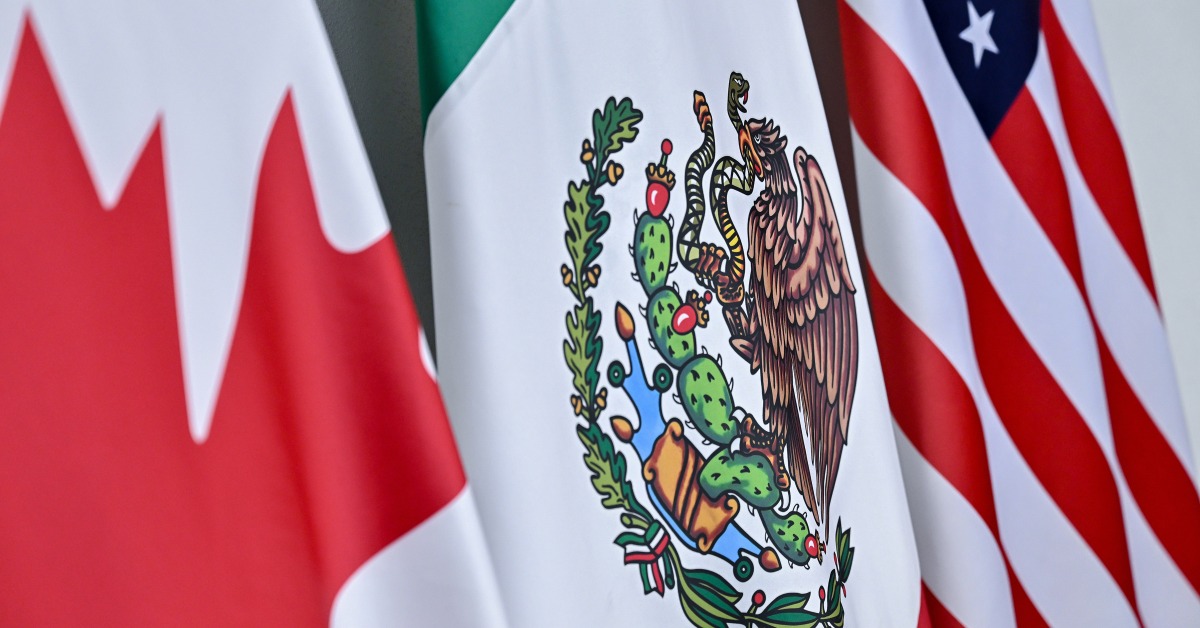
The T-MEC, known in English as the USMCA, is the trade agreement that governs North American commerce between Mexico, the United States, and Canada. Its scheduled joint review is due on July 1, 2026. That date matters because the review is the formal process for evaluating how the agreement is working and whether the parties want to continue moving forward under it.
The review process is already underway. The United States and Mexico announced in March that negotiators would begin talks and continue meeting regularly. Officials have pointed to issues such as rules of origin, North American supply chains, and reducing dependence on imports from outside the region. Those may sound technical, but they shape real business decisions.
For companies deciding where to build a plant, expand a warehouse, or shift suppliers, trade certainty matters almost as much as demand. A clearer path on North American trade rules can help unlock spending. More uncertainty can do the opposite. That is why economists continue to treat the T-MEC review as more than a diplomatic event. In Mexico, it is directly tied to investment, factory activity, and business confidence.
The late-2025 base helps, but it does not solve everything
Official data show Mexico ended 2025 better than many had feared. That is the base Citi says could help carry 2026. But inherited momentum is only one part of the story. A stronger starting point can lift the annual average, yet it cannot fully offset a year of stalled investment or weaker exports.
That is where the T-MEC angle becomes central. Citi’s outlook assumes the review produces a constructive signal and allows investment to recover. If that happens, growth could firm up in the last quarter of the year and set a better pace for 2027. If it does not, the economy may remain stuck in a slow lane.
This is also why the forecast should be read as conditional rather than guaranteed. Citi is outlining a path, not declaring the outcome settled. The message is that Mexico still has room to improve in 2026, but much of that depends on whether trade negotiations reduce enough uncertainty for businesses to act.
What Banco de México and current data add to the picture
Citi’s view is not far removed from the broader debate around Mexico’s economy. Banco de México has forecast 1.6% growth for 2026, which is stronger than 2025 but still modest. At the same time, central bank officials have warned that investment may remain weak in the first half of the year due to uncertainty surrounding the upcoming T-MEC review.
Recent official activity estimates point to the same tension. On the one hand, the economy is not collapsing. On the other hand, the pace has been soft enough to keep concern alive. That leaves the second half of 2026 carrying more weight than usual. The next few months will help show whether Mexico is simply pausing or struggling to restart.
For readers living in Mexico, this matters beyond macroeconomic headlines. Trade certainty can affect jobs, industrial output, the peso, and the pace of private investment. Over time, those shifts can influence consumer sentiment, local hiring, and the broader business environment. The effects do not hit every region equally, but they rarely stay confined to boardrooms.
What to watch next
The next major checkpoint is Mexico’s first-quarter GDP estimate. If growth comes in flat, Citi’s argument will face its first public test. A flat reading would not disprove the forecast, but it would increase attention to whether trade talks are starting to change sentiment before the second half of the year.
After that, the focus will turn to the July 1 review and to any signals that businesses are restarting postponed plans. Investors will be watching for fewer tariff surprises, clearer rules for North American production, and stronger evidence that the region remains a reliable manufacturing platform.
The larger point is simple. Mexico’s 2026 outlook may depend less on how weak the year started than on whether T-MEC gives companies a reason to invest again. If that happens, the final months of the year could look better than the opening ones. If it does not, the economy may keep moving, but at a slow pace.