A convoy tied to Ayotzinapa reached Mexico City’s southern edge on Monday, hoping to join a protest week already testing the capital’s World Cup mood. Then, the police closed in at the Tlalpan toll plaza. Officials described a preventive inspection. The students’ side called it repression. Between those two accounts sits a number that changed the tone of the day and pushed the teacher conflict into a sharper security frame, three days before Mexico opens the tournament.
Police inspection stops Ayotzinapa buses at Tlalpan
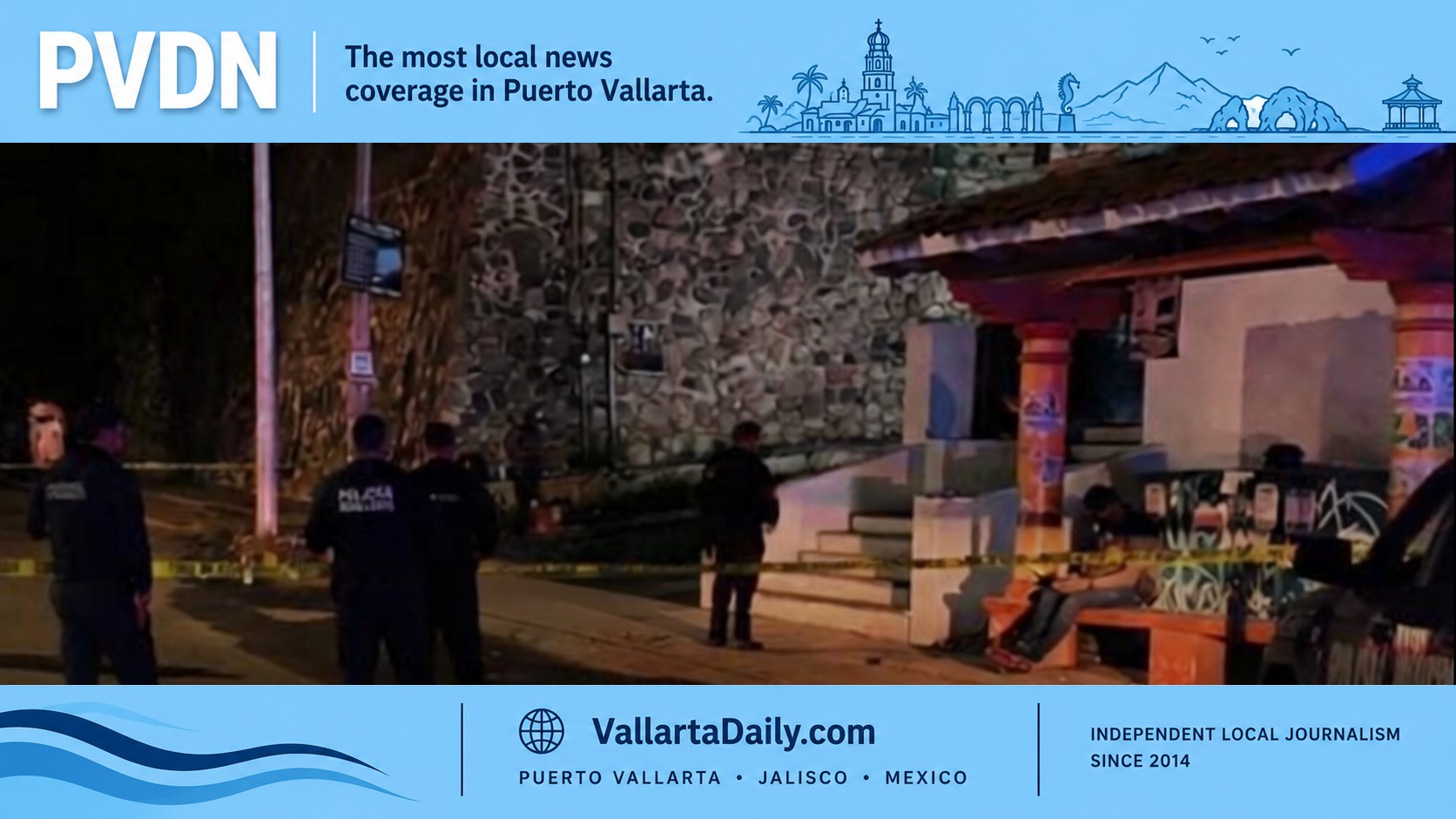
Mexico City police blocked a convoy of Ayotzinapa buses at the Tlalpan toll plaza on Monday. Students and relatives of the 43 disappeared normalistas were trying to enter the capital to join the CNTE protests.
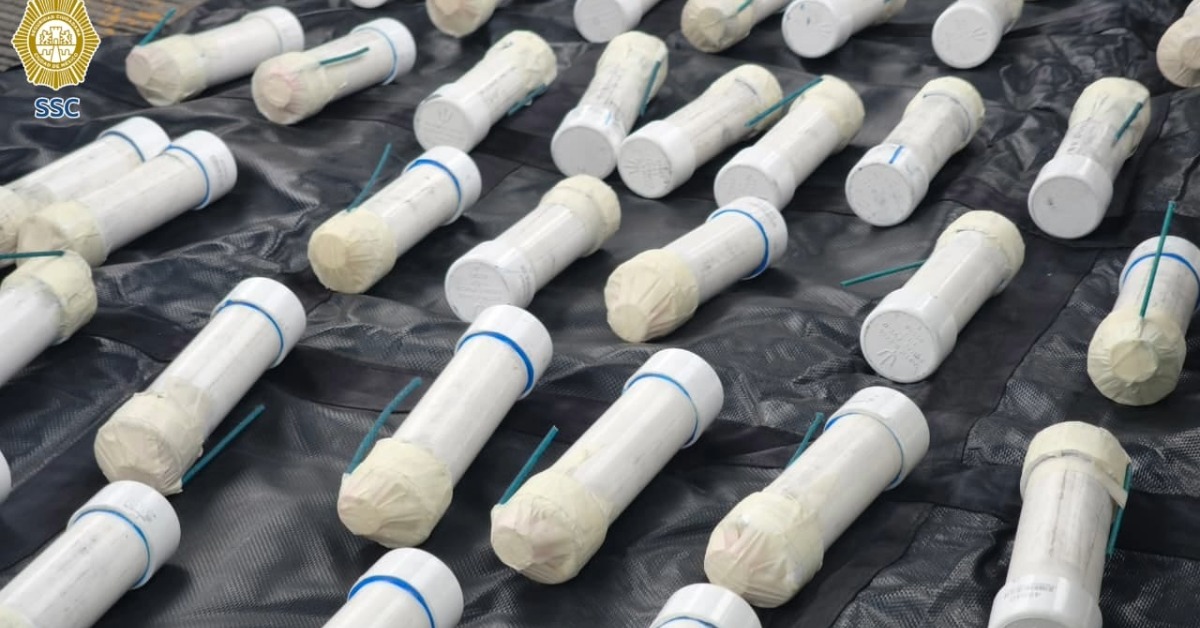
The stop happened on the Mexico-Cuernavaca highway, one of the city’s southern access routes. In a public post, the Secretaría de Seguridad Ciudadana said officers seized 59 homemade explosive devices during checks on passenger buses. The agency said a specialized team took custody of the material.
A federal account said the review followed a citizen report about possible explosives in one bus. Officials said they chose the inspection “por seguridad de todos” and called it “pacífica y acordada con los pasajeros.”
Officials framed the stop as preventive. The timing made it bigger. Mexico opens the 2026 World Cup at Mexico City Stadium on June 11. The capital has already been dealing with teacher protests tied to the World Cup opener.
Students and parents pushed back
The Ayotzinapa side gave a different account from the road.
Isidoro Vicario, an attorney for parents of the 43 disappeared students, said the group planned to start protest activities in Mexico City. “They won’t let us through at the Tlalpan tollbooth,” he said. Vicario added that riot police and city officers were blocking the convoy.
Vicario also accused authorities of repressing organizations that “raised their voice.” The claim has a long history. The Ayotzinapa case dates to the September 2014 attacks in Iguala, Guerrero. Forty-three students from the Raúl Isidro Burgos Rural Teachers’ College were disappeared. Six people were killed, according to Centro Prodh’s case file.
The Monday convoy was heading into a city already crowded with CNTE actions. The dissident teachers’ union has pressed federal officials over pay, the 2007 ISSSTE pension reform, and other labor demands. Its protests now sit inside the capital’s final countdown to the World Cup opener.
World Cup security frame grows tighter
The seizure shifted the day from a fight over protest access to a public-security case.
The federal account said the material was found in a box inside one bus. The items went to the SSC’s Zorros unit, a specialized group that handles risky materials. Authorities did not immediately detail the devices or announce arrests tied to the seizure.
Arturo Medina, undersecretary for Human Rights at Gobernación, said buses would be released gradually after inspection. He also defended the right to demonstrate while warning against the use of explosives at protests. “The population should not be put at risk,” he said, adding that authorities were calling for “peaceful demonstration.”
The government wants the protests to continue without disrupting the World Cup launch. Protest groups want their causes visible while international attention is fixed on Mexico City.
Clara Brugada, Mexico City’s head of government, said Monday that the tournament’s logistics, mobility, and security were assured. She called on groups to demonstrate peacefully. She also said the city was trying to balance protest rights with free movement. Brugada described the task as protecting “the rights to protest” along with “freedom of movement.”
CNTE protests remain on the calendar
CNTE actions have touched the city’s most visible spaces, including the Zócalo and major roads. A week of protests and World Cup pressure has made it crowded. The opener adds pressure to every march, checkpoint, and policing decision.
Monday’s stop also overlapped with another image from the capital. While the buses were held near Tlalpan, Mexico’s national team was being formally sent off for the tournament. The contrast was hard to miss. One part of the city was preparing for the ceremony. Another part was stuck in a dispute over protest, policing, and the limits of tolerance in a week built for television.
CNTE mobilizations are expected to continue through World Cup week. Ayotzinapa families had also announced actions in the capital as they continue demanding truth and justice for the 43.