Mexico collects more than 108,000 tons of urban waste each day, but only a small share is recovered for recycling. The gap is not just about household habits. It also reflects uneven infrastructure, limited separation systems, and a recycling network concentrated in a small number of municipalities. As Mexico promotes circular-economy projects, the question is whether those efforts can move beyond isolated programs and into daily waste collection across the country.
Mexico’s recycling gap shows the limits of collection
Mexico collects more than 108,000 tons of solid urban waste each day, but only about 10% is recovered for recycling. The figure points to a problem larger than household sorting. Much of the country still lacks the infrastructure needed to separate, process, and reuse materials at scale.
The issue begins with how trash is handled after it leaves homes, businesses, and public spaces. Most waste is still treated as a disposal problem, not as material that could be recycled. That leaves recyclable plastic, paper, cardboard, glass, metal, and organic waste mixed together before it reaches any recovery system.
National data show that most waste collection still happens through regular household pickup. That service is essential, but it does not guarantee recycling. If trucks collect mixed waste without separation, many recyclable materials lose value before they reach a sorting center.
Infrastructure remains uneven across Mexico
Mexico has hundreds of recycling material collection centers, but they are not evenly distributed. A large share is concentrated in a small group of states and municipalities. That leaves many cities with limited access to formal collection, sorting, and treatment options.
This gap matters for residents who already separate their trash at home. In many places, the system that receives it is not designed to keep materials separate. That can make individual effort feel pointless, especially when organic waste, recyclables, and regular garbage end up in the same truck.
The challenge is also local. Municipal governments are responsible for much of the daily waste system, including collection routes and public sanitation. Some cities have stronger programs, while others struggle with basic pickup. In tourist areas and growing urban zones, missed collection can quickly become a public-health, image, and environmental concern.
PET recycling shows what works, but also what is missing
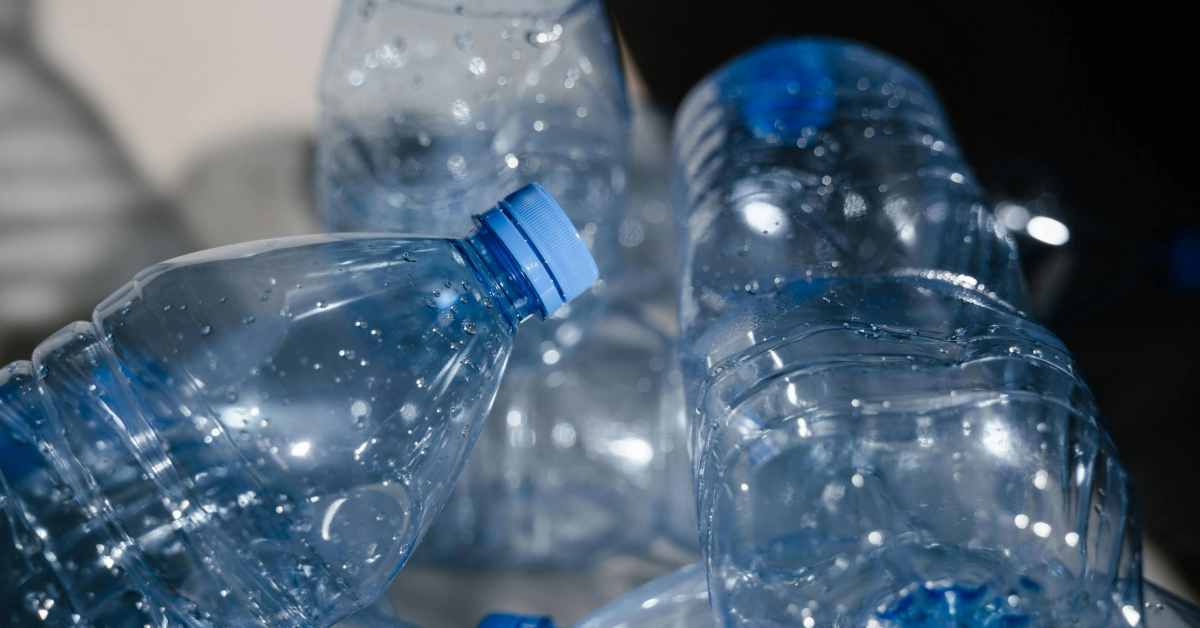
Mexico has made progress in PET bottle recovery, helped by private-sector investment, collection networks, and demand for recycled material. That success shows that recycling can work when the market, infrastructure, and collection system are aligned.
But PET is only one part of the waste stream. Food scraps, mixed plastics, glass, cardboard, construction waste, and other materials require different systems. A strong PET chain does not solve the broader problem if most other waste still ends up in landfills or open dumps.
The broader goal is a circular economy, where materials are designed, collected, and processed so they can be reused. That requires more than public campaigns. It needs dependable pickup, clear local rules, sorting facilities, public participation, and buyers for recovered materials.
What residents can do now
For people living in Mexico, the first step is still local. Recycling rules vary by city, neighborhood, and collection provider. Residents should check what their municipality actually accepts, because accepted materials can differ from one place to another.
Basic steps still help. Clean and dry recyclables are more useful than contaminated materials. Cardboard should be flattened when possible. Food waste should be kept separate when composting or organic collection is available. Electronics, batteries, and hazardous household materials should not be placed in regular trash when special collection programs are available.
Still, household action has limits when the public system is weak. Mexico’s recycling rate will not rise much without stronger local collection, more sorting capacity, and better coordination between governments, companies, and residents. The current numbers show that Mexico is collecting the waste, but it is still not recovering enough value from what it throws away.