Puerto Vallarta’s garbage collection problems took another turn after sanitation workers briefly halted service during a busy weekend. The work stoppage centered on labor complaints, equipment shortages, and confusion over whether routes were operating normally. Although reports later indicated an agreement had been reached, the episode added another layer to a waste collection system already under pressure since the city moved away from its former private contractor.
Puerto Vallarta Trash Strike Exposes Bigger Problem
Garbage collection in Puerto Vallarta faced another disruption after sanitation workers briefly halted service over labor complaints tied to pay, rest days, and equipment.
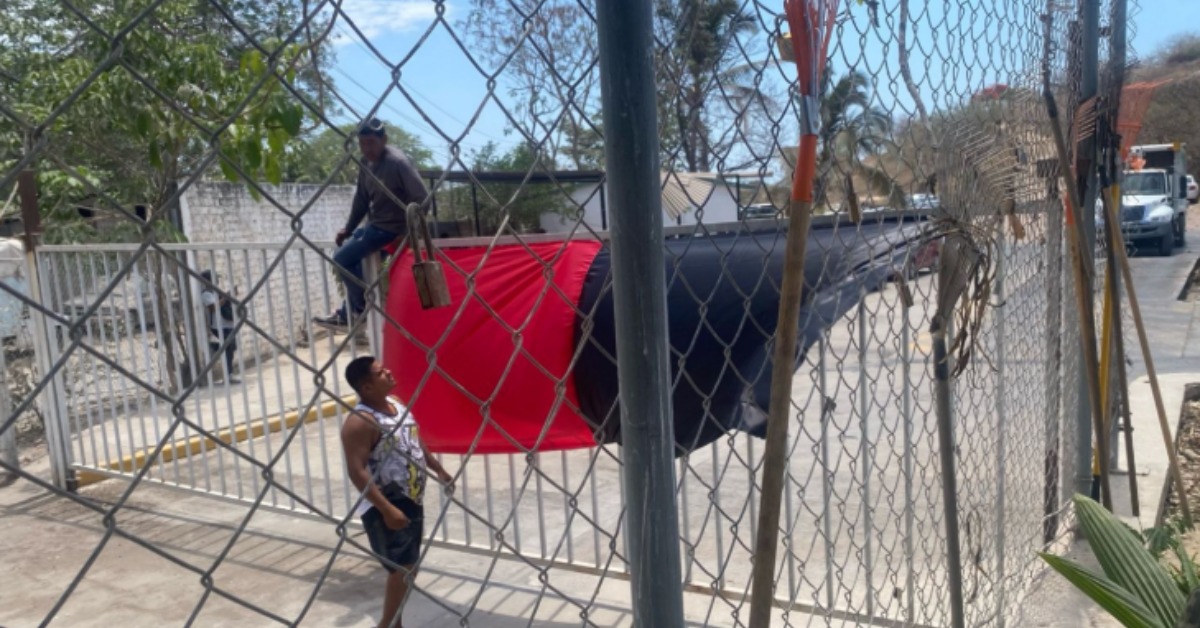
The work stoppage reportedly began Friday, May 15, when workers gathered at the waste transfer module in the Magisterio neighborhood. Red-and-black strike flags were placed at the site while employees demanded a response from municipal authorities.
Workers said the dispute involved unpaid overtime, pending bonuses, long shifts, and a lack of sufficient garbage trucks. Some also said they had been working without proper rest since the busy Semana Santa and Easter holiday periods.
The stoppage came at a difficult time for the city. Puerto Vallarta has been dealing with repeated complaints about missed trash pickups, garbage piling up in neighborhoods, and the transition away from the former private collection system.
Workers pressed for pay and better conditions
The workers’ complaints centered on basic labor and operating issues. They said the current workload has been difficult to manage with the number of trucks and tools available.
The dispute also raised questions about the city’s preparedness to manage garbage collection after the service returned to municipal control. Waste collection is one of the most visible public services in any city. When it fails, residents notice quickly.
For people living in Puerto Vallarta, the issue is not abstract. Delayed pickups can lead to bags of trash left on sidewalks, stronger odors, insects, and sanitation concerns. In areas with restaurants, markets, rentals, and heavy foot traffic, collection delays can become a public health and tourism issue.
City said service was operating normally
Municipal officials pushed back against reports of a full strike or suspension. The city said garbage trucks were operating on their regular routes and that there was no formal stoppage affecting service across Puerto Vallarta.
Other local reports, however, said some trucks continued working only partially during the afternoon. Some crews reportedly finished pending routes before joining the work stoppage.
That left residents with mixed information. Some reports described a labor halt at the transfer center, while the city said collection was continuing. Later reports said an agreement had been reached and that workers returned to duty Friday evening.
Agreement reportedly ended the stoppage
By Friday evening, the stoppage was reportedly lifted after a meeting between workers, union representatives, and municipal officials.
One later report said the issue was resolved around 6 p.m., with workers returning to collection routes afterward. That account said officials described the conflict as tied to labor-ranking issues, while other reports said workers had raised concerns about unpaid overtime, bonuses, rest days, and equipment.
The difference in explanations matters because it shows how unclear the public messaging became during the dispute. Residents were left trying to determine whether the collection was suspended, operating partially, or already back to normal.
Trash problems have been building for weeks
The short work stoppage did not happen in isolation. Puerto Vallarta has faced weeks of garbage collection problems since the city ended its previous arrangement with Red Ambiental and moved toward a municipal collection model.
The transition has included complaints about missed pickups, neighborhood trash piles, and a shortage of collection capacity. The city has also been dealing with financial fallout from the former concession, including reported debt tied to the earlier contract.
Municipal officials have said they are working to stabilize the system. The city has added trucks and announced efforts to normalize collection. Still, the latest labor conflict shows that equipment, staffing, and worker conditions remain central to whether the system can function reliably.