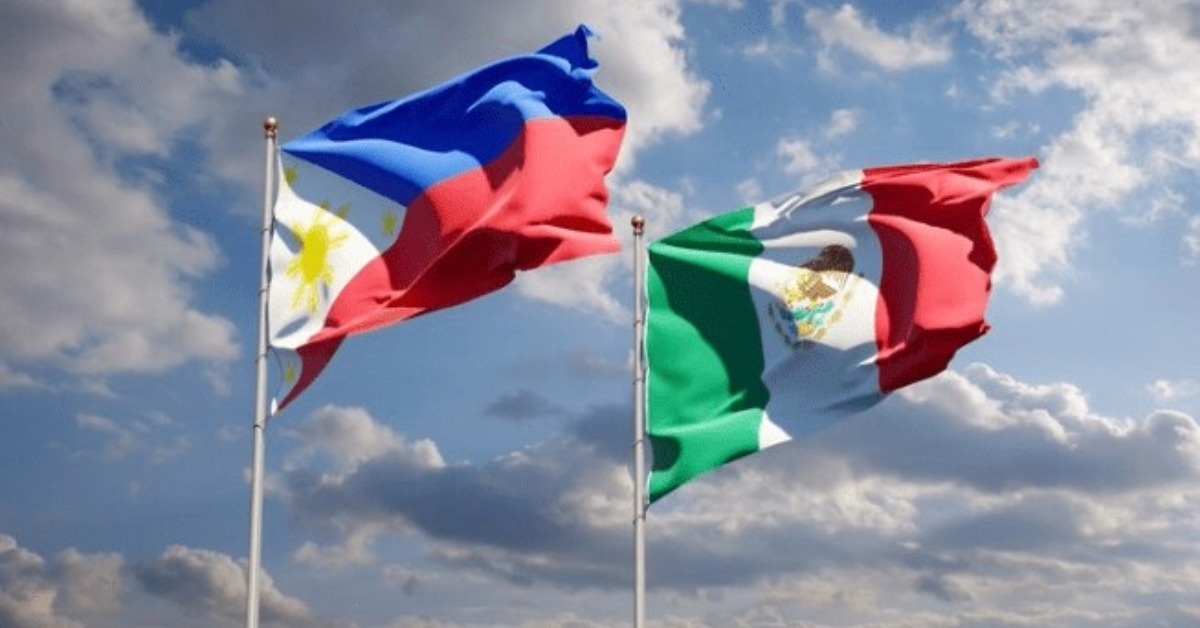
When Mexico ended the honorary Philippine consul’s functions in Guadalajara, the move looked technical on paper. It was not. The decision came weeks after U.S. sanctions named a company tied to him in a timeshare fraud network that Washington says benefited the CJNG. For readers outside Mexico, the case is about more than one appointment. It shows how cartel-linked business structures can reach into tourism, real estate, and roles that carry official standing.
What happened
Mexico’s Foreign Ministry has formally removed Martín Camarena de Obeso as honorary consul of the Philippines in Guadalajara. The decision appeared in the Diario Oficial de la Federación on March 23. Camarena had held the post since 2002. The notice ended his functions but did not explain the reason.
The broader context came from the U.S. Treasury Department’s Office of Foreign Assets Control, or OFAC. On February 19, it sanctioned Kovay Gardens, five individuals, and 17 Mexican companies as part of what it described as a CJNG-linked timeshare fraud network. One of those companies was Ornitorrinco Inmobiliaria, S.A. de C.V.
Mexican reporting based on commercial registry records says Camarena held 50 percent of Ornitorrinco Inmobiliaria. The remaining share belonged to Carlos Humberto Rivera Miramontes, whom OFAC identified as a key operator in the network around Kovay Gardens. That link gave the ministry’s move national relevance. The story stopped being a small diplomatic adjustment. It became a test of how Mexico responds when an official role touches a sanctions case tied to organized crime.
Why the sanctions case matters
This part needs a clear context. A U.S. sanctions designation is not the same as a criminal conviction in Mexico. It is a financial and administrative action. In practice, it blocks property under U.S. jurisdiction and generally bars transactions involving U.S. persons.
That distinction matters because the case is easy to flatten into a single headline. Mexico’s official notice removed Camarena from the post, but it did not accuse him of a crime. At the same time, the sanctions record is not minor paperwork. Treasury described the network as a long-running fraud operation targeting timeshare owners, many of them older U.S. citizens, and generating revenue for the Cártel Jalisco Nueva Generación.
Treasury said the fraud worked in layers. According to the U.S. account, Kovay Gardens and related operators used deceptive sales pitches, resale promises, false fees, and later recovery scams that asked victims for even more money. Treasury also said this was not an isolated case. It is called the February action, the sixth U.S. sanctions step tied to CJNG timeshare fraud, with more than 90 people and entities designated across those actions.
What an honorary consul actually does
For foreign readers, an honorary consul is not the same as an ambassador or a career consul. The role is limited, but it is official. In Mexico’s consular framework, honorary consuls usually handle restricted functions. They often serve without a salary. They help with representation, local liaison work, commercial promotion, tourism ties, and some forms of consular support.
That helps explain why this case drew attention well beyond Guadalajara. The post did not place Camarena at the center of foreign policy. He was not an ambassador, and he was not part of the permanent diplomatic corps. But the role still carried institutional recognition from both governments. It involved trust, access, and a public-facing link to another country.
That is why the story is bigger than one businessman losing a title. When a person holding an officially recognized consular role is linked through a company to a sanctions case involving cartel-linked fraud, the issue becomes one of vetting, oversight, and reputational risk. It raises basic questions about how such appointments are reviewed and how quickly authorities act when new information appears.
Why the fraud allegations resonate in Mexico
The alleged scheme also touches a familiar pressure point in western Mexico. Puerto Vallarta and the wider Bahía de Banderas region have long been a mix of tourism, real estate, and high-value foreign buyers. That has made the area attractive for legitimate investment. It has also made it vulnerable to sophisticated fraud.
Treasury’s February action centered on Kovay Gardens in La Cruz de Huanacaxtle, Nayarit, near Puerto Vallarta. U.S. authorities said the resort and related companies were used in a vertically integrated fraud model. In that model, the same ecosystem could sell timeshares, overcharge victims, pass customer data into call centers, and later target the same people again with resale or recovery scams. Treasury said victims reported losses in the hundreds of millions of dollars over time.
For Mexico, that matters for two reasons. First, the alleged victims were often foreign retirees and property owners, the same groups that many coastal economies depend on. Second, the case fits a broader pattern in which organized crime moves beyond drugs into sectors that look legal on the surface. Treasury has described CJNG as a group that diversifies its income through fraud, extortion, fuel theft, and other business fronts. The consular angle made that pattern harder to ignore.
What happens next
The immediate result is clear. Camarena is no longer in the honorary post. The more important question is whether the case stays at the level of diplomatic cleanup or expands into deeper financial and criminal scrutiny inside Mexico.
There are signs the story may not end with one removal. Treasury said its February action was coordinated with Mexico’s Unidad de Inteligencia Financiera, and Mexico’s finance authorities announced additional blocking measures tied to the same investigation. That suggests the case is not being treated as a purely foreign allegation. It has already moved into a binational enforcement track.
For readers in Mexico, especially foreign residents and property owners, the practical takeaway is not diplomatic gossip. It is a warning about how cartel-linked fraud can hide inside normal-looking businesses, especially in sectors built on tourism, real estate, and cross-border payments. For the Mexican state, the test is broader. It is whether official appointments, business networks, and financial enforcement are finally being checked against one another in real time.
Related information:
US sanctions Puerto Vallarta resort tied to CJNG timeshare fraud
Mexico probes Kovay Gardens resort after US sanctions
How CJNG hid real estate fraud in Puerto Vallarta behind legal businesses
With information from Diario Oficial de la Federación, U.S. Department of the Treasury, Office of Foreign Assets Control