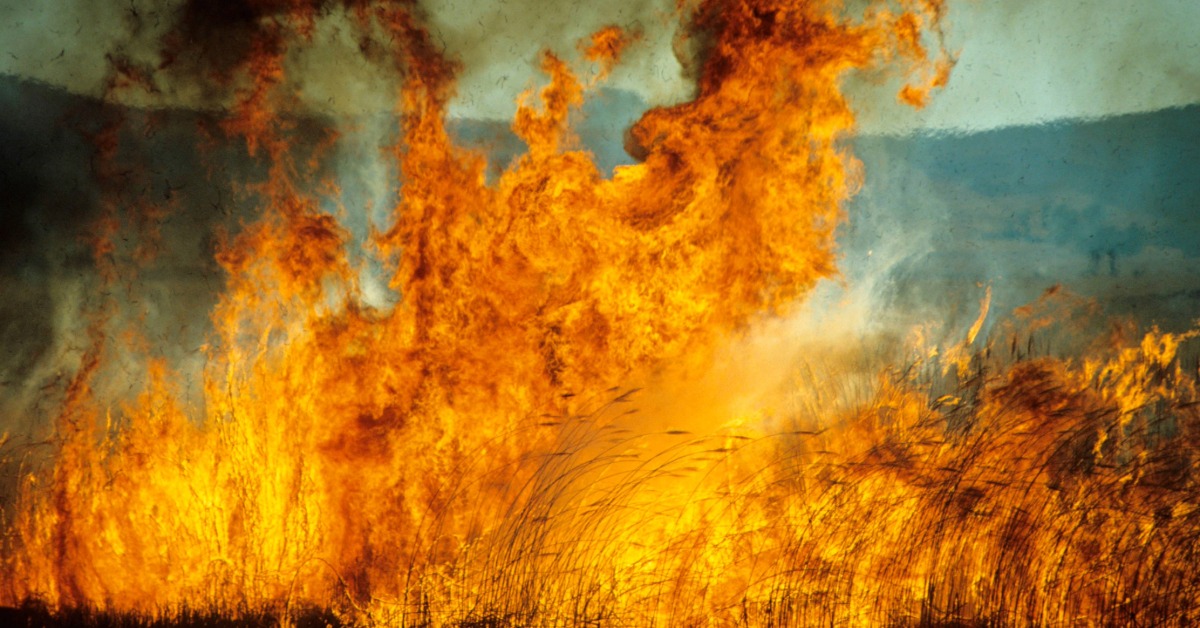
Mexico has already recorded 2,565 forest fires in 2026, with more than 132,500 hectares affected by mid-April. Officials have warned that the next stretch of the season could become more difficult as weather conditions worsen. The most affected states so far include the State of Mexico, Jalisco, and Mexico City, followed by several others in central and southern Mexico. The damage is already spread across a wide geographic area, which matters because fire season in Mexico is not a single regional event. It is a national pattern that shifts with terrain, wind, vegetation, and rainfall.
For international readers living in Mexico, this is one of those stories that can seem distant until it becomes local. Forest and brush fires can bring smoke, reduced visibility, road closures, warnings, and health concerns, even when flames are not near urban centers. In tourist regions and expat hubs, this can affect day trips, weekend drives, outdoor recreation, and basic perceptions of safety. Jalisco has already seen fires near the Puerto Vallarta region this season, a reminder that coastal areas are not separate from the wider national pattern.
Why the risk is rising now
The timing matters. Mexican fire officials say the most active months are usually March, April, and May, before the rainy season brings broader relief in many parts of the country. This year, authorities are warning of a more complex outlook due to warmer conditions, lower humidity, strong winds, and weaker rainfall patterns. Those ingredients matter because they dry out grasses, brush, leaf litter, and other fuels, allowing fire to spread quickly once it starts.
There is also a second part to the story. Some areas entered 2026 with more vegetation growth left behind by earlier rains. Once that material dries out, it can become fuel. Meteorological outlooks have already flagged very high fire risk in parts of western, central, and southern Mexico, including Jalisco. That does not mean every region will see a major fire, but it does mean small fires can grow faster, become harder to contain, and create more smoke over wider areas.
What the burned area really means
The headline number is large, but it needs context. Most of the affected area this year has been herbaceous and shrub vegetation, not tree canopy. That distinction matters, but it should not be read as a sign that the damage is minor. Fires in low vegetation can still move quickly, threaten nearby settlements, damage soil, worsen erosion, and send smoke into populated areas. They can also weaken ecosystems before the heaviest part of the dry season has even passed.
The official data also show that a significant share of this year’s fires has affected ecosystems sensitive to fire, and thousands of hectares have been burned within protected natural areas. That is one reason this story reaches beyond the daily incident count. Fire is not only a matter of hectares. It is also about watershed protection, biodiversity, air quality, and how vulnerable landscapes recover after repeated burns.
Why this matters in 2026
This year’s numbers are rising against a serious backdrop. Mexico closed 2025 with 7,016 forest fires and more than 1.23 million hectares affected. That helps explain why officials have been warning since February that the 2026 season could be aggressive. The comparison is useful for another reason, too. A fire season is not judged only by how many fires occur. It is also shaped by how large they become, how intense they burn, and where they hit.
That distinction is important because the public often hears fire updates as if they were a scoreboard. In reality, one fire in the wrong place can do outsized damage. A blaze near homes, highways, water sources, or protected habitat can matter more than a higher count elsewhere. For readers living in Mexico, especially outside the biggest cities, that is the practical takeaway. A fire story becomes relevant long before flames reach a neighborhood.
Most fires are still preventable
Authorities say the vast majority of forest fires in Mexico are linked to human activity. That includes agricultural burns, trash burning, campfires, discarded cigarettes, and other preventable causes. In that sense, the 2026 season is not only a weather story. It is also a prevention story. Officials have repeated the same message for weeks: avoid using fire in forest and agricultural areas unless it is authorized and controlled, and notify local authorities when agricultural burning is planned.
That public warning matters more during periods of strong wind and low humidity, when an ordinary burn can escape quickly. It also matters in mixed landscapes, where rural activity, tourism, and housing growth meet dry vegetation. In many parts of Mexico, that edge between settlement and open land is exactly where risk grows fastest.
What readers should watch next
The coming weeks will likely be the most important part of the near-term story. Until more regular rainfall arrives, many areas will remain exposed to rapid-fire spread and recurring smoke events. Local conditions will vary, and some regions may get temporary relief from scattered rain. But nationally, the broader pattern still points to elevated danger through the core of spring.
For residents and expats, the practical concerns are simple. Watch for Civil Protection alerts, respect temporary closures, and take smoke seriously if you have respiratory issues. If you live near forested or brush-covered land, avoid any open burning and pay attention to local air conditions, not just visible flames. Mexico’s wildfire problem in 2026 is not only about what has already burned. It is about how much of the season remains.