Mexico’s federal government moved fast after the killing of Uruapan’s mayor, rolling out a Michoacán security plan that promises more than patrols. The three-part strategy blends policing and prosecutions with economic support and community work. Officials say it rejects a return to the drug-war playbook. Residents, still in mourning and angry, want results they can feel: safer streets, fewer extortions, and a real shield for local officials. The coming weeks will show if this is a plan or a turning point.
Michoacán security plan
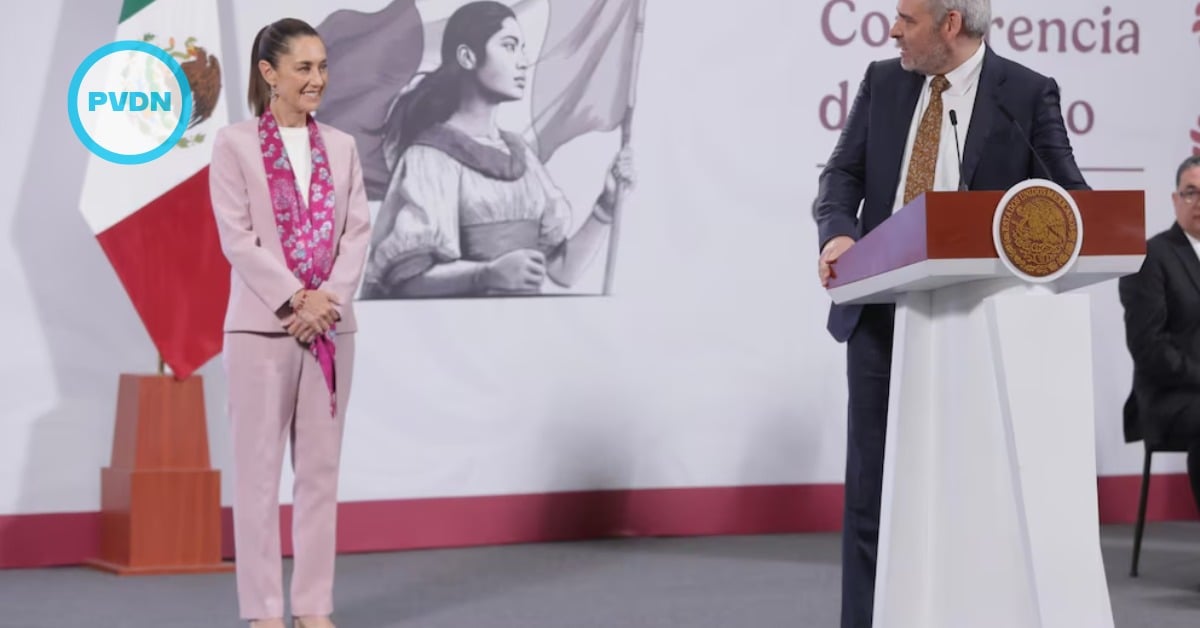
On November 4, 2025, President Claudia Sheinbaum announced a new push in Michoacán after the fatal shooting of Uruapan’s mayor, Carlos Alberto Manzo, during Day of the Dead events on November 1. The government framed the response as a complete strategy, not a show of force. It rests on three pillars: security and justice, economic development with justice, and education and culture for peace—an attempt to treat the violence and its roots together.
The first pillar focuses on investigations, prosecutions, and coordination. Federal agencies will hold regular security meetings with state and municipal authorities. The plan calls for specialized work on high-impact crimes and for faster alerts and support when mayors face threats. The second pillar targets the economy that crime feeds on, promising support for legal jobs and local production. The third invests in schools, culture, and prevention programs. The message from the presidency: no return to a “war on drugs,” and no shortcuts that ignore communities.
Uruapan’s grief is the backdrop. Manzo was shot in the city’s main square as families gathered for a public celebration. He died in a hospital soon after. Authorities detained two suspects and reported one attacker dead at the scene. The case struck a nerve because Manzo had publicly pushed back against organized crime and demanded more help for the city. It also landed in a state where cartels fight for territory and extortion touches daily life, from mom-and-pop shops to the avocado belt.
The government says this plan is different from past deployments. Officials describe biweekly coordination tables, added National Guard support, and a tighter net between federal and state prosecutors. They also highlight social programs that, in theory, make crime less attractive and communities more resilient. In short, the blueprint seeks to balance immediate pressure on gunmen with longer-term efforts to keep kids in school and money in lawful jobs. For residents, the measure of success is simple: fewer shootings, fewer disappearances, fewer extortions.
Will it change anything
The pressure is on. Protesters filled the streets in recent days, demanding protection for local leaders and everyday people. They want proof that the state can out-organize criminal groups and safeguard public life. The presidency’s emphasis on justice and prevention—over pure militarization—aims to answer that concern. Observers note that promises must be backed by arrests that stick, courts that move, and credible protection for mayors and council members. Without that, the “new plan” label will fade fast.
There are reasons to watch closely. National media reports that the plan includes more federal agents on the ground, closer coordination with overwhelmed local police, and a focus on high-impact crimes that have terrorized Michoacán’s communities. Officials also point to better alert systems for threatened officials and to social supports for farmers and families hit hardest by violence. The balance between policing and prevention will be key—and so will steady, public reporting of what’s working and what isn’t.
For now, Uruapan is mourning a mayor who promised to confront crime. Michoacán is waiting to see whether the Michoacán security plan can make that promise real. The test is coming quickly. If residents feel safer by the holidays—and if local officials can do their jobs without fear—this week’s announcement will read as a genuine shift. If not, it risks becoming another headline in a state that cannot afford more.