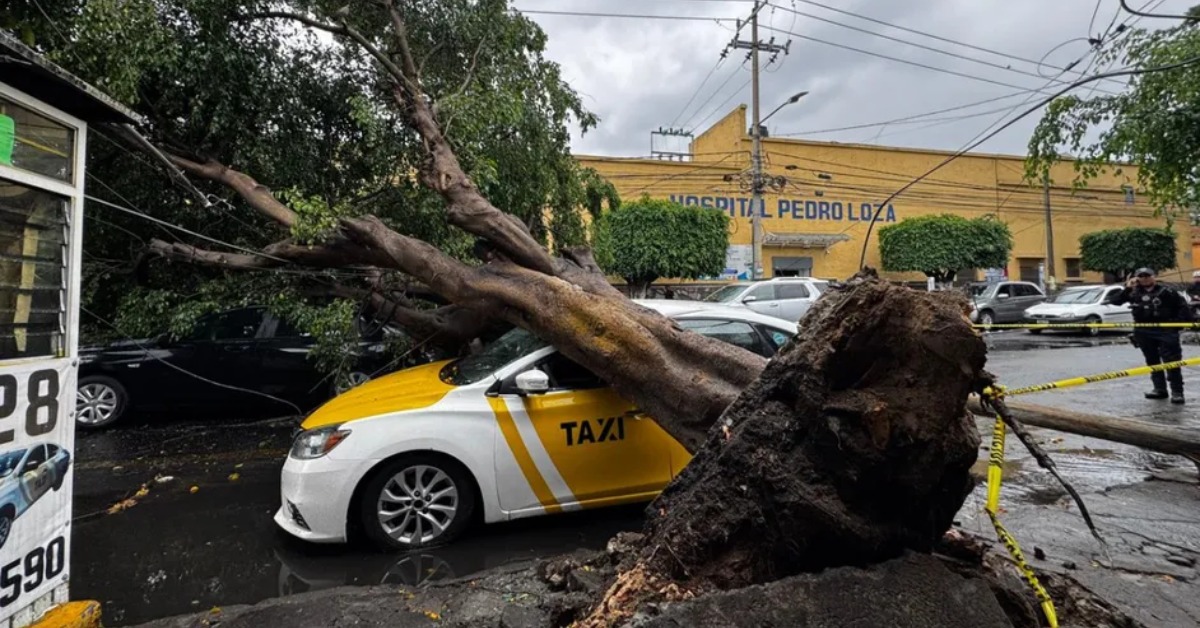
A fast-moving storm hit Guadalajara late Monday and left a familiar kind of damage behind. Trees came down, cars were struck, and hail was reported across parts of the metro area. What looked like a brief weather event quickly turned into a public-safety problem. For residents, the damage is also a reminder that in Guadalajara, even a short storm can expose weak points in streets, trees, and local response systems.
Trees fall as the storm moves across Guadalajara
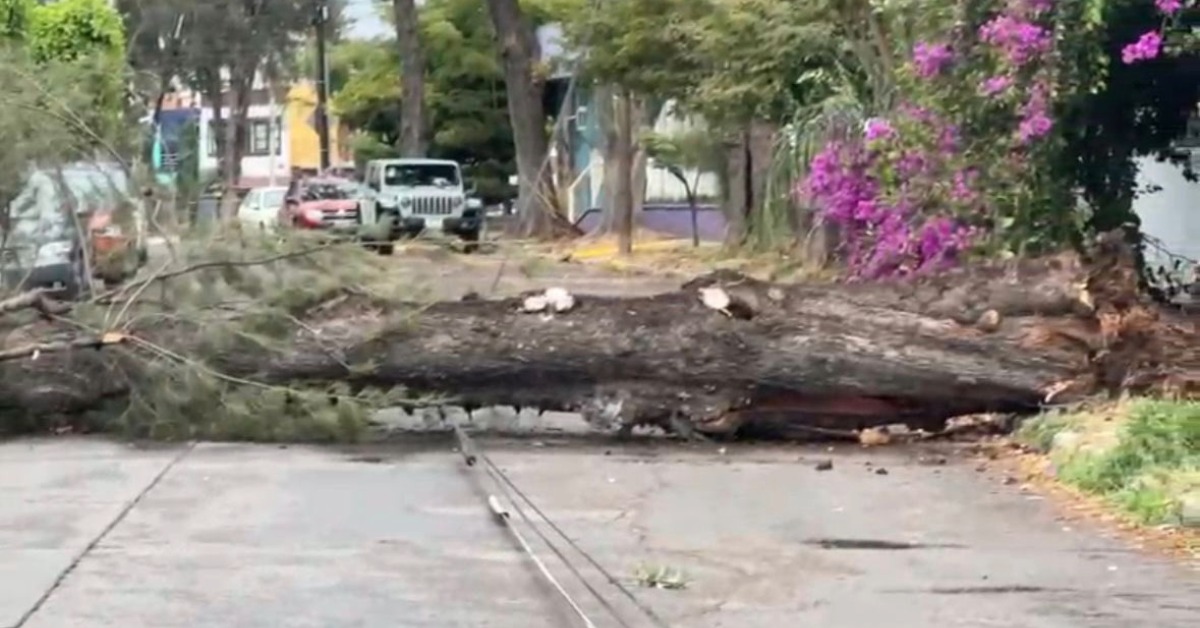
A late-day storm swept across Guadalajara on Monday and left behind damage in several parts of the city. The most visible incident was reported in Oblatos, where a tree fell onto three vehicles at the intersection of Esteban Loera and Santiago de Vera. Other fallen trees were reported on public roads, including in Jardines de Santa Isabel and another nearby point identified in early reports.
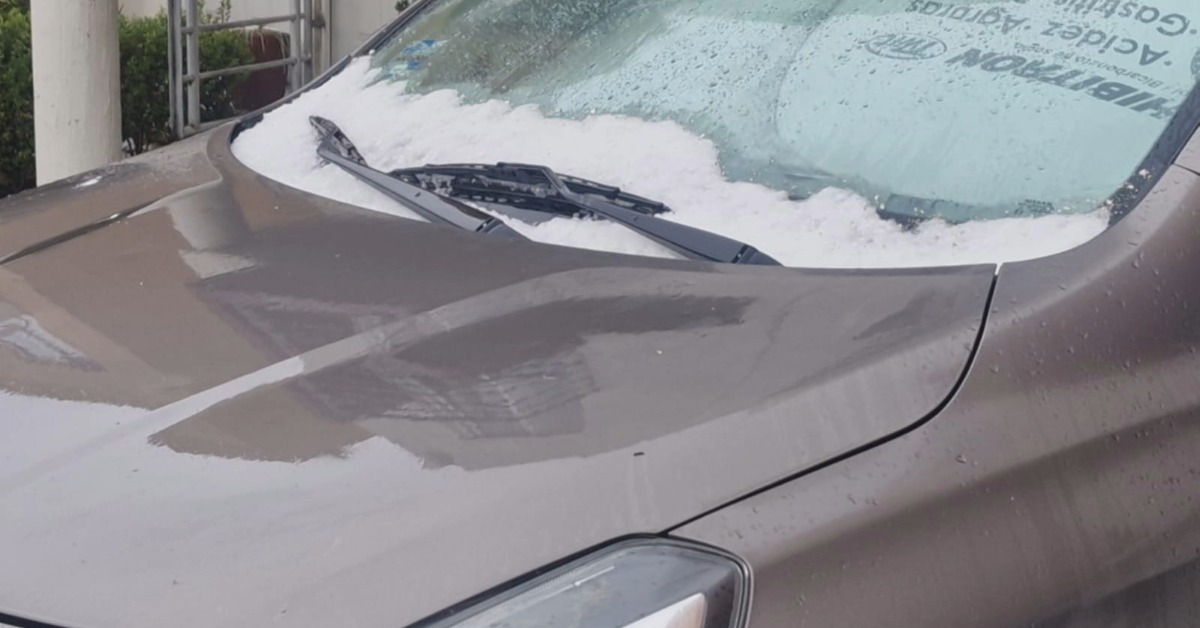
The storm also affected neighboring Zapopan, where hail was reported in several western and northern colonies. Images and early reports showed ice piling up along sidewalks and on parked vehicles in some areas. That matters because Guadalajara and Zapopan are tightly connected urban zones. When a storm line crosses one part of the metro area, its effects often spread quickly across multiple municipalities.
So far, the reported damage appears to be centered on fallen trees, blocked roads, and damaged vehicles, rather than mass flooding or a broader emergency. Even so, those incidents can create serious disruptions. A tree falling onto a car or into a street can shut down traffic, delay emergency response, and increase risks for drivers and pedestrians long after the rain stops.
Why this matters beyond one afternoon
For readers outside Jalisco, this may sound like a routine local storm story. In Guadalajara, it is more than that. Tree falls are a recurring public-safety issue during periods of strong wind and heavy rain. The danger is not only the storm itself. It is the condition of older trees, the density of traffic, the number of cars parked on narrow streets, and the speed with which the weather can change late in the day.
This episode also stands out because it arrived in late March, before the city’s main summer rain pattern fully takes hold. National weather forecasts had already warned that parts of western and central Mexico, including Jalisco, could see rain, wind, electrical storms, and possible hail linked to broader atmospheric instability this week. That wider context helps explain why a single afternoon storm produced both fallen trees in Guadalajara and hail in Zapopan.
For many residents, these storms are disruptive in a very practical way. They can trap vehicles, cut off neighborhood access, and create immediate risks around power lines, heavy branches, and slick roads. For international readers used to thinking of Mexico in terms of heat and sunshine, stories like this are a reminder that urban storm risk is part of daily life in many Mexican cities, even outside the peak rainy months.
What the damage says about the weeks ahead
The latest storm also raises a familiar question for city officials: how prepared is Guadalajara for the next one? Municipal authorities have spent recent seasons promoting protocols for reporting trees at risk and carrying out preventive work before stronger weather sets in. That does not eliminate danger. It only reduces it. A mature tree with weak roots or structural damage can still come down quickly when wind and saturated ground combine.
That is why stories like this tend to resonate beyond the specific intersections mentioned in the first reports. People reading about a fallen tree in Oblatos often think about the tree outside their own building, the street where they park, or the route they take home in the evening. The public concern is not abstract. It is immediate and personal.
There is also a broader urban lesson here. Guadalajara’s storm vulnerability is not just about weather. It is about infrastructure, maintenance, land cover, and response capacity. A short burst of rain can become a city story when it hits at rush hour, when tree maintenance is uneven, or when hail turns ordinary streets into temporary hazard zones. That is why even modest storms often get close public attention.
For now, the reported damage appears limited, but it is still significant. A tree on three vehicles is not a minor inconvenience. It is a reminder that short storms can produce expensive and dangerous consequences in minutes. As forecasts continue to point to unstable weather in parts of the country, residents across the Guadalajara metro area will likely be watching the sky more closely over the next few days.