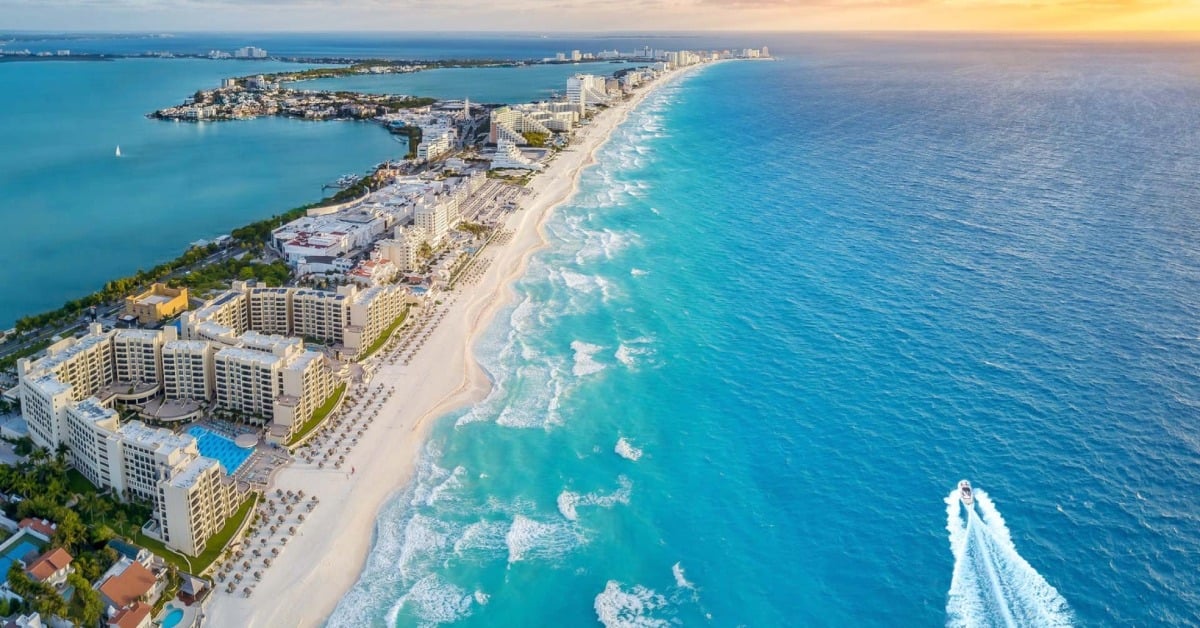
Mexico’s tourism powerhouse is weighing a new promise to travelers and residents: cleaner beaches, tighter water and energy use, and real accountability. Business leaders in Cancún have floated a “Green Seal” for Quintana Roo. This statewide sustainability certification would integrate existing international standards across hotels, marinas, and destinations. The pitch came from Empresarios por Quintana Roo president Sergio León, who says a four-to-five-year rollout needs public-private buy-in at all levels.
Quintana Roo Green Seal
León proposes to combine criteria from ISO 14001, LEED, EarthCheck, Blue Flag, and Green Key into a single, recognizable label for travelers and tour operators. The aim is clarity: one seal that signals measurable environmental performance, rather than a patchwork of logos few visitors can parse.
Backers are already attaching numbers to the idea. They estimate an investment of 16–25 million dollars and project annual gains of roughly 5.8–6.6 billion dollars when higher-spend visitors and operational savings kick in, plus potential utility savings of up to 2 million dollars per hotel. These are proponents’ forecasts, not government targets, and any timeline depends on formal governance, audits, and funding.
Why one label now
Quintana Roo is not starting from zero. Cancún alone secured 2025–2026 Blue Flag distinctions across flagship beaches and several boats and hotels, giving the state a visible eco-benchmark many travelers already recognize. Parks like Xcaret and Xel-Há have long held EarthCheck Gold, proof that deeper, science-based auditing exists locally. What the new seal seeks is coherence at scale.
Supporters also argue that a unified standard could help European tour operators and corporate travel buyers compare apples to apples. Programs such as EarthCheck and the GSTC framework are designed around independent verification and continuous improvement—principles a state label would need to uphold to earn trust.
How it fits with policy
The state already anchors tourism planning in a 2030 Sustainable Tourism Master Plan that stresses environmental, social, and economic balance and calls for broad stakeholder participation. Any “Green Seal” that aligns with those principles—and shows transparent auditing—would sit more comfortably alongside official policy.
At the federal level, Mexico’s Tourism Ministry operates the Distintivo S, a national recognition for sustainable practices in tourism businesses. A Quintana Roo label would need to complement, not duplicate, that federal pathway, and ideally map to GSTC criteria so international buyers can compare standards across destinations. As of today, state authorities have not released a formal governance document for the proposed seal.
What success would require
Labels only matter when they change behavior on the ground. In Quintana Roo, this translates to reduced freshwater waste, effective wastewater treatment, stricter waste separation, and credible sargassum management—efforts the state already undertakes on a large scale annually. To persuade residents and workers that the seal is more than marketing, audits must be independent, data must be public, and benefits must reach communities, not just resorts.
Labor and community metrics matter too. Global programs increasingly include fair wages, training, and local sourcing. If Quintana Roo wants a state-level seal to mean something, those social criteria should sit alongside reef protection and beach cleanliness—and carry consequences for non-compliance.
What happens next
For now, the “Green Seal” is a private-sector proposal. León says it will require a coalition of business chambers, civil groups, and all three levels of government to get off the ground. The promoters’ five-year horizon is ambitious; the real test will be funding, independent auditing, and whether the seal can consolidate existing wins—like Blue Flag beaches and EarthCheck-certified operations—into a single, trusted promise.