Tourists are already asking the same question: will the Riviera Maya beaches stay blue this spring? New monitoring suggests the answer could change week to week. Officials say thousands of tons of sargassum are already in the Mexican Caribbean, with much more still offshore. The Navy is moving boats and barriers into position, while beach towns race to get ahead of Semana Santa crowds. What’s driving the surge, and what should residents watch before making weekend plans?
An early surge before Semana Santa
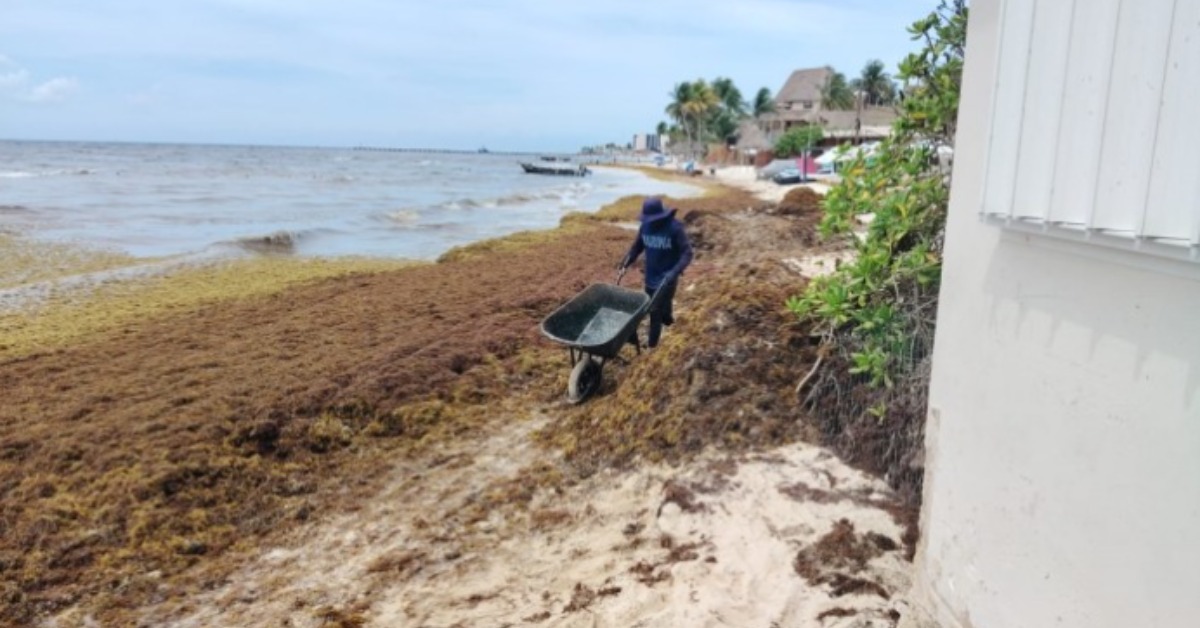
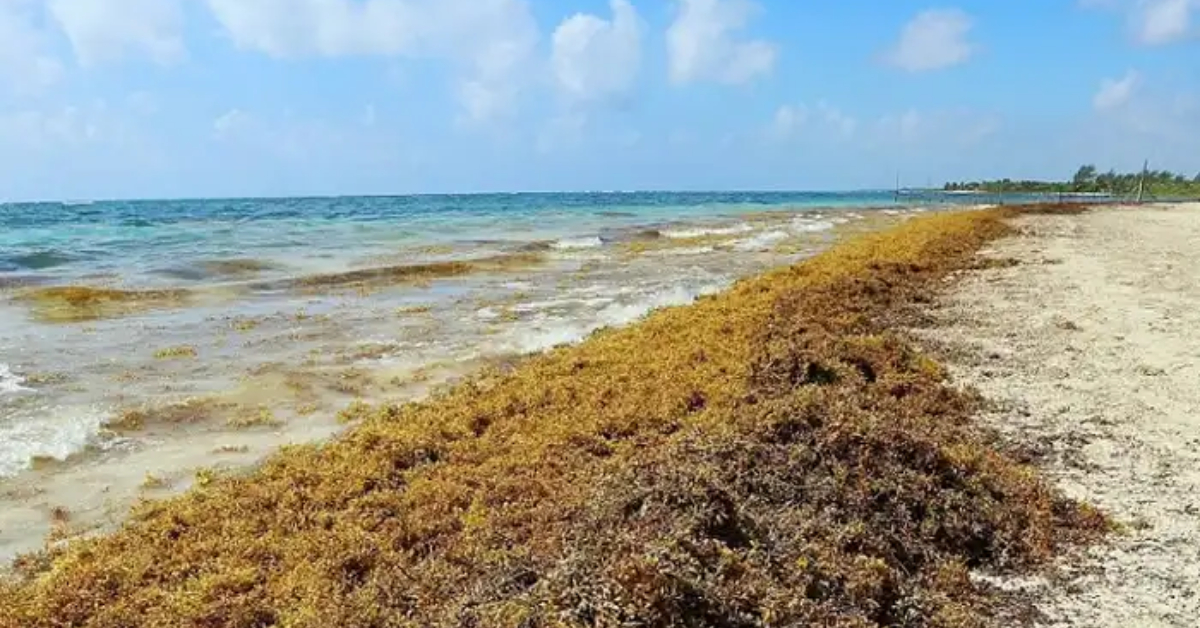
Quintana Roo is heading into spring with an unwelcome head start. Federal monitoring indicates that the Mexican Caribbean already contains roughly 7,460 tons of sargassum biomass. That estimate was current as of February 10, 2026. Farther east, a much larger mass in the western central Atlantic is drifting west. Authorities estimated that the offshore load was nearly 280,097 tons. The concern is timing as much as size. Semana Santa travel usually marks the first big rush. This year, hotels and beach towns want clean sand before Easter week arrives. Officials also expect a second spike in demand in early summer. Many visitors will pair their trips to Mexico with the 2026 World Cup season. Local authorities have begun preventive steps along the Riviera Maya corridor. That stretch links Cancún, Playa del Carmen, Tulum, and Cozumel. Business groups have pressed for offshore barriers earlier than usual. The goal is to intercept mats before they shred into beach-bound ribbons. Early beaching has already been reported along parts of the coast. That makes the next few months feel less like “season” and more like constant defense.
What satellites are seeing offshore
Satellite-based outlooks point to an unusually strong starting line. The University of South Florida’s optical oceanography team tracks the drifting weed by region. Its late-January bulletin showed the Caribbean total jumping from about 0.45 million tons in December 2025 to 1.7 million tons in January 2026. That is a record-high January value in the data series. Researchers describe the wider bloom belt as a recurring Atlantic feature since 2011. When it grows in winter, it can set up a heavier spring. The same update noted measurable amounts north of the Yucatán Channel, a pathway that can feed the western Caribbean. NOAA also publishes a weekly coastal inundation risk map. It rates shorelines as low, medium, or high risk based on nearby floating algae and ocean currents. These tools do not forecast a specific beach on a specific day. They offer a wide-angle warning. Winds, fronts, and local circulation can redirect mats overnight. That is why two towns can look completely different on the same morning.
Barriers go in as beach towns brace
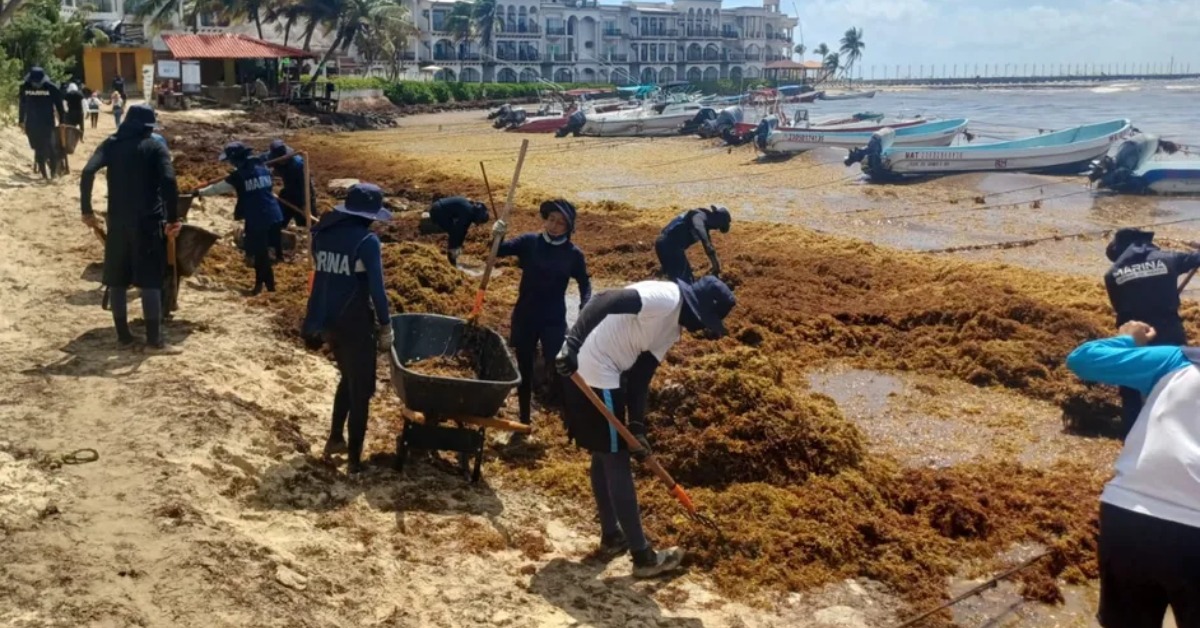
Mexico’s Navy is treating 2026 as a prevention year, not a cleanup year. Officials say they will keep 16 specialized surface units in service for the season. The fleet includes an ocean-going collection ship, 11 coastal vessels, and four amphibious sargassum harvesters. Authorities also plan about 9,500 meters of floating barriers for containment. Another 6,000 meters are being coordinated with the Quintana Roo state government. The idea is to trap seaweed in calmer water so it can be collected more quickly. Municipal teams then move what gets through, often before sunrise. Playa del Carmen has already talked about expanding its barrier coverage along key swimming beaches. Hotels are also reinforcing their own smaller barriers and hiring extra crews. The logistics matter because piled sargassum quickly breaks down in the heat. That decay can stain sand, stress nearshore ecosystems, and create a strong odor. The faster it is removed, the less damage it causes.
What to expect as a resident or repeat visitor
For expats living in Mexico, the biggest challenge is uncertainty, not constant misery. Sargassum rarely blankets every beach at once. A shift in wind can clear one stretch and load another. East-facing shores along the Riviera Maya are often the first to see heavy arrivals. Sheltered coves or island beaches can look better, even on rough weeks. If you have family visiting for Semana Santa, build flexibility into the plan. Check local beach advisories the night before, not the month before. Ask your hotel how it handles daily removal and where it stores the seaweed. Pay attention to smell as well as sight. When sargassum rots, it can release gases that irritate eyes and throats. People with asthma may feel it faster. Avoid lingering near large piles of decomposing waste, especially with kids. None of this means skipping the Caribbean. It means treating the beach like weather. Watch the forecast, then pick the best window.