

Environmental Consciousness
Sustainability Efforts
Mexico is increasingly focusing on environmental conservation, recognizing the vital importance of sustainable development for both its economy and the well-being of its citizens. The country’s rich biodiversity and diverse ecosystems have prompted significant efforts to preserve natural resources and promote eco-friendly practices.
Renewable Energy
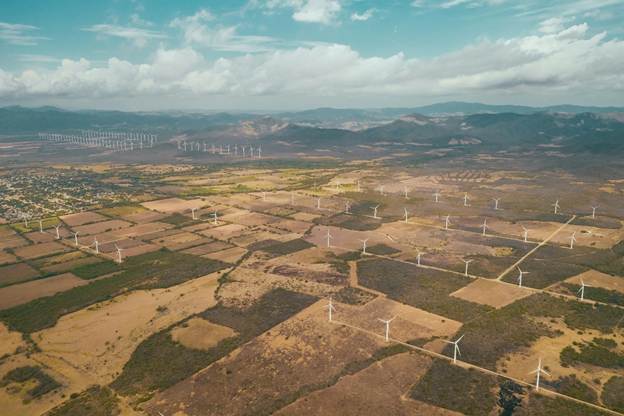
Investments in renewable energy sources such as solar and wind power are growing rapidly in Mexico. The nation’s geographical advantages—abundant sunshine and strong wind currents—make it an ideal location for these technologies. The government has set ambitious goals to increase the share of renewable energy in the national grid, aiming to reduce greenhouse gas emissions and dependency on fossil fuels.
Several large-scale solar farms have been established in states like Sonora and Chihuahua, harnessing the intense sunlight of the northern deserts. Meanwhile, the Isthmus of Tehuantepec in Oaxaca has become a hub for wind energy, with numerous wind farms capitalizing on the region’s consistent wind patterns. These projects not only contribute to environmental sustainability but also stimulate economic growth by creating jobs and attracting investment.
Protected Areas
Mexico boasts numerous national parks and reserves dedicated to protecting its unique flora and fauna. With over 180 natural protected areas covering more than 90 million hectares, the country is committed to conserving habitats ranging from tropical rainforests and deserts to coral reefs and mangrove swamps.
Notable protected areas include the Sian Ka’an Biosphere Reserve in Quintana Roo, a UNESCO World Heritage site that shelters a vast array of wildlife, and the Monarch Butterfly Biosphere Reserve in Michoacán, which safeguards the migratory grounds of millions of monarch butterflies. These reserves play a crucial role in preserving biodiversity, conducting environmental research, and promoting ecotourism.
Government agencies, non-profit organizations, and local communities collaborate to manage these protected areas effectively. Conservation programs focus on habitat restoration, anti-poaching efforts, and environmental education, ensuring that these natural treasures remain intact for future generations.
Recycling and Waste Management
Effective recycling and waste management are essential components of environmental consciousness. In Mexico, initiatives in this area vary by city and region, reflecting different levels of infrastructure development and community engagement.
Programs
Recycling initiatives across Mexico are diverse. Major cities like Mexico City, Guadalajara, and Monterrey have implemented comprehensive recycling programs that include separate waste collection, recycling centers, and public awareness campaigns. These cities encourage residents to sort their waste and participate in recycling efforts to reduce landfill usage and environmental pollution.
In Mexico City, for example, the government has introduced programs to transform organic waste into compost and to recycle electronic waste responsibly. Some municipalities offer incentives for recycling, such as discounts on utility bills or exchange programs where recyclable materials can be traded for food or other goods.
In contrast, smaller towns and rural areas may have less developed recycling infrastructure. However, grassroots movements and local organizations are working to introduce recycling practices and educate the public about the importance of waste reduction. Pilot programs and community-led initiatives are gradually expanding recycling efforts in these regions.
Community Involvement
Community involvement is a critical factor in the success of environmental initiatives. By participating in local efforts, residents can contribute positively to waste reduction and sustainability. Volunteer groups often organize neighborhood clean-up events, educational workshops, and recycling drives to promote environmental awareness.
Schools play a significant role in fostering a culture of sustainability among younger generations. Environmental education is incorporated into curricula, and students participate in projects that emphasize conservation and responsible consumption.
Local businesses and non-profit organizations collaborate to support environmental programs, providing resources and expertise. For instance, some communities have established “green markets” where producers sell organic and sustainably sourced products, encouraging eco-friendly consumer habits.
Engaging in these activities not only helps the environment but also strengthens community bonds. Collective action empowers citizens to make a tangible difference, fostering a shared sense of responsibility and accomplishment.