Oaxaca just rolled out its 2025 Day of the Dead program—and it’s big. The city says the celebration will be clean, orderly, and safe, with a packed slate of concerts, comparsas, cemetery tributes, and nighttime spectacles stretching from late October through early November. Highlights include a major parade, marigold-lit pathways, and a fresh push on security and sanitation so families can enjoy the streets and panteones without worry. Here’s what residents and travelers should actually expect this year—and why it matters.
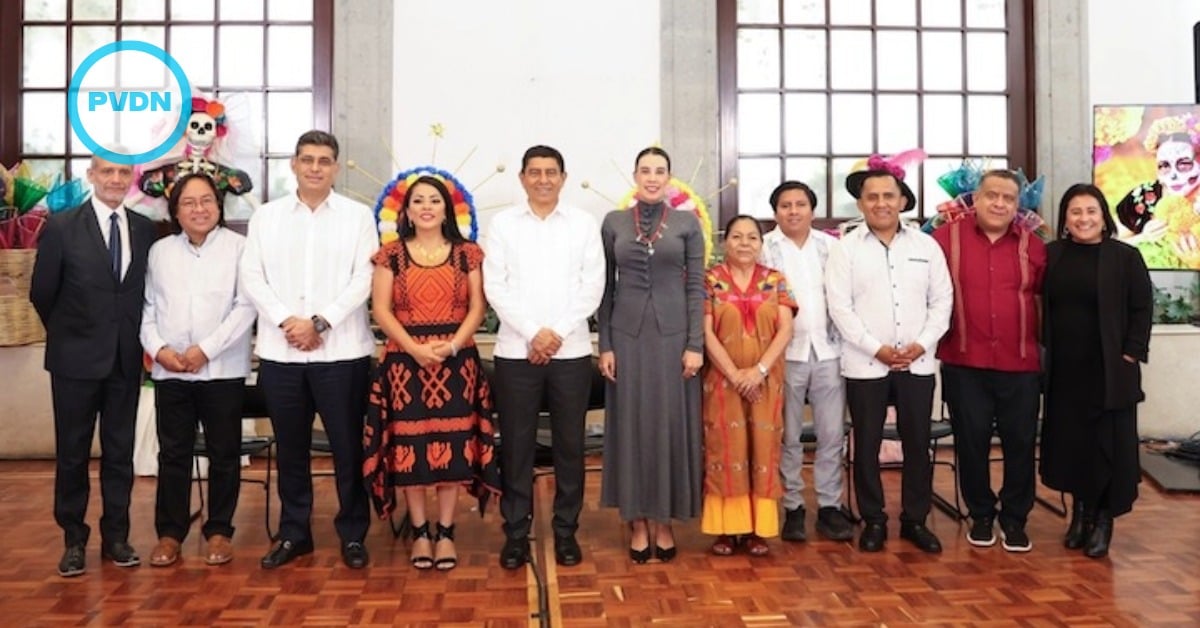
Oaxaca City has unveiled its official Oaxaca Día de Muertos program for 2025, setting the dates from October 28 to November 8 and pairing the cultural lineup with expanded security and city-services operations. City officials presented the schedule this week, calling the capital the “cultural heart of Mexico” while emphasizing safety, cleanliness, and order for the holiday’s busiest nights.
Early highlights give a sense of the citywide footprint. A Tzompantli exhibition in El Llano is slated to open the week, the Magna Comparsa is scheduled for October 30, and October 31 brings a marigold-lined Sendero del Cempasúchil and the evening show Oaxaca se Vive Hasta la Muerte before cemeteries glow after dark. The women-led comparsa in San Matías Jalatlaco is planned for November 8, closing the expanded window of events. These are municipal activities and part of the official billboard.
Oaxaca Día de Muertos
The municipal push dovetails with Oaxaca’s broader, state-level festival effort—La Fiesta Más Viva de Todas—which this month touted more than 140 cultural activities across the season. Tourism authorities also invited communities to add events to the official billboard earlier in October, a sign of how quickly the calendar fills in the lead-up to Muertos.
City Hall’s message has been consistent: “limpia, ordenada y segura”—clean, orderly, and safe. That means stepped-up cleaning brigades, security operations, and coordination across public spaces and panteones to keep crowds moving and families comfortable through the late hours. The municipal government previewed the approach in a press conference and social posts tied to the program’s release.
For residents, the drawn-out window (Oct. 28–Nov. 8) spreads pressure beyond the peak nights of Nov. 1–2, when families traditionally honor departed children and adults on consecutive days. For visitors, it means more chances to experience altars, comparsas, and cemetery vigils without packing everything into a single weekend. The dates reflect Oaxaca’s long-running practice of adding nights on either side of the core holiday, not a shift in meaning.
The stakes are cultural as well as logistical. Día de Muertos is recognized by UNESCO on its Representative List of the Intangible Cultural Heritage of Humanity. The listing underscores living practices—ofrendas at home and in public, marigold paths guiding spirits, community gatherings in streets and cemeteries—that Oaxaca foregrounds every year. That heritage lens helps explain the city’s insistence on order and access alongside spectacle.
What to actually expect on the ground
Expect the city center to pulse from late afternoon into the night, with crowds concentrated around El Llano, the Plaza de la Danza corridors, and the Panteón General. Families will move between altars and performances; comparsas will form and reform; and visitors will drift along marigold-lit routes toward cemeteries. Local press reports suggest the municipal events will be free and that officials anticipate well over one hundred activities across the festival window, with visitor numbers possibly in the six figures. Those are estimates, not caps, but they hint at the scale.
If you’re planning to attend city-organized activities, confirm exact times and venues closer to the date as updates roll in; Oaxaca’s festival calendar tends to grow quickly in the final week. Start with the municipal channels and the state culture/tourism pages for day-by-day updates, then build your route around the marquee nights listed above. The headline here isn’t just a busier program. It’s a more explicit promise from the city: big moments, clean streets, and safe spaces so families—and guests—can celebrate without losing what makes Muertos intimate.