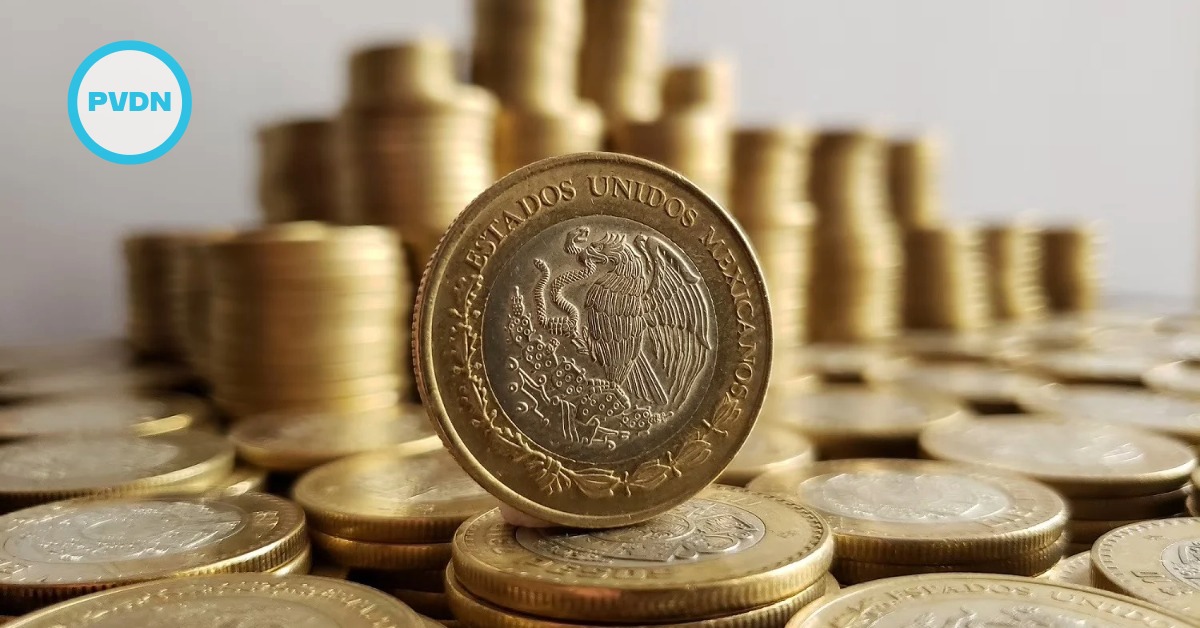
The peso gained ground Thursday and briefly gave Mexico a market win on a tense global day. Yet the move came with a catch. Fresh inflation data showed prices are still running hotter than the central bank wants, raising new questions about rates, household costs, and whether the currency’s rebound can last. For readers paid in dollars or spending in pesos, the headline sounds simple. The bigger story is not.
The peso rose, but the backdrop stayed uneasy
The peso strengthened against the dollar on Thursday, trading around 17.35 per dollar during the session. That put the Mexican currency among the day’s better performers as investors reacted to overseas tensions, a softer dollar, and new domestic price data. The move suggested some relief after recent market stress, but it did not signal that broader risks had disappeared.
Part of the gain came from a change in global risk sentiment. When investors feel less pressure to hide in the dollar, currencies like the peso can recover quickly. That appeared to happen again on April 9. Even so, the rebound came in a fragile environment. International conflict concerns have not fully faded, and traders remain alert to any event that could push oil, inflation, or market volatility higher.
Why inflation still matters more than one trading day
The more important domestic signal may have come from inflation, not the exchange rate. Mexico’s annual inflation rate accelerated to 4.59% in March, moving further above Banxico’s target range. That matters because a stronger peso can help contain some imported price pressure, but it does not solve the broader problem, as food, energy, and services continue to push costs higher.
For many households, inflation is the part of the story that feels real. A one-day currency gain can look encouraging on a screen, but price increases at the grocery store, in restaurants, and across everyday services shape daily life more directly. March data showed that inflation pressures have not fully eased, even if some underlying measures were more contained than the headline number. That leaves policymakers with a more complicated picture than the currency move alone suggests.
What Banxico is weighing now
Late last month, Banco de México cut its benchmark rate to 6.75%. The decision showed concern about economic weakness, but it also came with caution. The central bank made clear that external volatility, the exchange rate, and the inflation path still matter for future decisions. In other words, Mexico is no longer a simple rate-cut story.
That matters for the peso because interest rates affect how attractive Mexico looks to investors. Higher relative rates have long supported the currency. If inflation remains above target, Banxico may need to proceed more cautiously with any further easing. If growth weakens too much, pressure could build for more support. That tension helps explain why the peso can strengthen on one day while the medium-term outlook still looks unsettled.
What this means for readers living in Mexico
For foreigners who earn or save in dollars, a stronger peso usually means each dollar buys a little less in Mexico. That can be noticeable when paying rent, shopping, or covering regular monthly expenses. But it is important not to overread one session. Currency markets move fast, and the exchange rate can give back a daily gain just as quickly when headlines change.
The larger takeaway is that Mexico remains caught between two forces. The first is a currency that can still attract investors when the dollar weakens. The second is an inflation problem that has not fully returned to comfort levels. For readers living in Mexico, that combination means budgeting still deserves more attention than daily currency excitement. Exchange rates matter, but the cost-of-living story now depends just as much on prices within Mexico.
What to watch next
The next phase of this story will depend on whether inflation cools again and whether global tensions calm enough to reduce pressure on oil and the dollar. Markets will also keep watching Banxico for signs of a pause or a slower pace in future rate cuts. If inflation stays firm, the central bank may have less room to move. If price pressures ease, the peso could continue to find support from a steadier domestic outlook.
For now, Thursday’s gain gave the peso a positive headline. But the more important question is whether Mexico can hold currency stability while bringing inflation back under control. That is the part of the story that will matter long after a single day in the market is forgotten.