A raid at a tourist photo business on Playa del Carmen’s Fifth Avenue has reopened a larger question about wildlife, tourism, and enforcement in Mexico’s beach destinations. Authorities say 16 animals were rescued from Animalandia Maya, including big cats and primates. Five people were detained, and the case is now in the hands of prosecutors. For visitors and residents alike, the operation also draws fresh attention to a long-running practice: charging tourists to pose with wild animals.
Five detained after Animalandia Maya raid in Playa del Carmen
Five people were detained after Quintana Roo prosecutors and municipal police raided Animalandia Maya, a business on Playa del Carmen’s Fifth Avenue that offered photos with exotic animals.
The operation was carried out on May 1 after prosecutors obtained a search warrant in connection with a cruelty to animals investigation. Authorities said the business was using animals for paid photo sessions with customers.
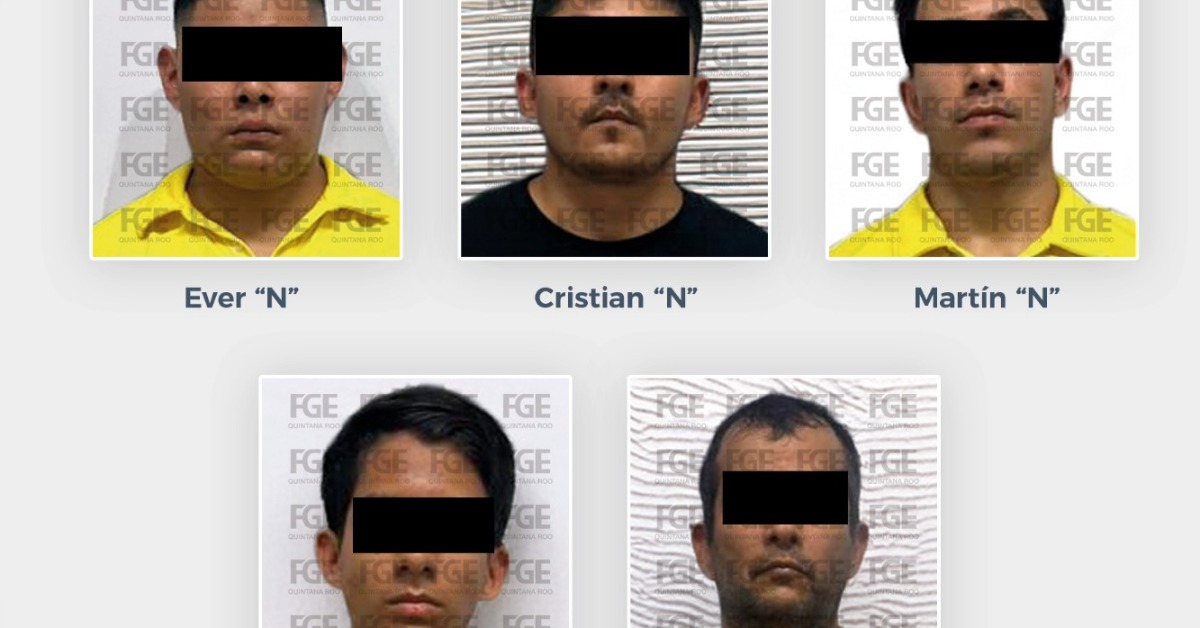
The detained people were identified by prosecutors as Félix “N,” Cristian “N,” Ever “N,” Martín “N” and Johan “N.” They were placed at the Public Ministry’s disposal, which must determine their legal status within the required constitutional time frame.
No conviction has been reported. The case remains an investigation, and the accused are presumed innocent unless a court rules otherwise.
Sixteen animals rescued from the Fifth Avenue business
Authorities said they rescued 16 animals from the property. The animals included two capuchin monkeys, three spider monkeys, two squirrel monkeys, and two martuchas, also known as kinkajous.
Officials also reported finding a tigrillo (a juvenile white tiger), a Bengal tiger, an African lion, a white tiger cub, a black jaguar cub, and a cotton-top tamarin.
The presence of spider monkeys drew special attention because the species is considered endangered in Mexico. Wildlife cases involving protected animals can bring federal environmental questions into a state criminal case.
Authorities said the animals were found in conditions they considered inadequate. They reported cages too small for the animals, accumulated trash, and a lack of specialized technical staff to handle the species.
Early findings also alleged that the animals were given products unsuitable for their diet, including milk intended for human consumption.
What authorities say happened inside the business
The business was described as a place where customers paid to pose with exotic animals. That detail matters because animal photo businesses depend on repeated human contact with wildlife.
Big cats and primates are not typical pets. They require controlled spaces, veterinary oversight, species-specific diets, and trained handlers. Young animals used in tourist photos may also become harder to manage as they grow.
In Mexico, the possession, handling, and exhibition of wildlife can require federal permits and management plans. These rules are meant to show where the animals came from, how they are kept, and what activities are allowed.
Officials said the property was secured as part of the investigation. The animals were placed under protection while the legal process continues.
The wider problem with tourist photos and wildlife
The Playa del Carmen case fits into a wider concern in Mexican tourism areas. For years, visitors have encountered animals offered for photos on beaches, streets, and commercial corridors.
The practice can look harmless to tourists, especially when the animals are young. But authorities and wildlife advocates have long warned that the demand for photos can create a market for keeping wild animals in poor conditions.
Mexico’s environmental authorities have previously urged visitors not to support activities that compromise animal welfare. That message is direct for tourists and residents: paying for a photo can help keep the business model alive.
For expats living in Mexico, this is also a practical consumer issue. When a business offers hands-on photos with wild cats, monkeys, or other exotic animals, it is worth asking whether the activity is legal and whether the animals are being properly cared for.
Why this case gained attention in Playa del Carmen
Animalandia Maya was not unknown in Playa del Carmen. The business had drawn public complaints before the raid, including criticism from residents and expats who said wild animals were being used for tourist photos.
The location also made the case more visible. Fifth Avenue is one of Playa del Carmen’s busiest tourist corridors. It is filled with restaurants, shops, bars, and tour sellers, and it attracts heavy foot traffic from both visitors and residents.
That visibility likely added pressure on authorities. A wildlife photo business operating in such a public area becomes harder to separate from the destination’s image and tourism model.
The raid also comes at a time when Quintana Roo has been discussing stronger penalties for animal cruelty and tighter enforcement around animal welfare. The state has seen several recent cases that moved from social media outrage to criminal complaints.
What happens next in the legal process
The immediate legal question is whether prosecutors can link the detained individuals to the conduct under investigation. The Public Ministry must decide whether to bring the case before a judge and what charges may apply.
The environmental side may continue separately. Wildlife cases can involve state authorities, municipal officials, and federal agencies, depending on the species, permits, and alleged violations.
The rescued animals were reported to be undergoing medical evaluation and transfer to a wildlife management facility. Their long-term placement may depend on health findings, legal custody, and federal wildlife rules.
For now, the central facts are clear. Five people were detained, 16 animals were rescued, and the business was secured. The broader question is whether the case leads to lasting enforcement against wildlife photo operations in tourist zones.