Playa del Carmen wants its municipal markets to become more than places to buy food and daily goods. City officials say a new director and committee will work on repairs, promotion, and stronger support for local vendors. The plan fits into a broader push to give visitors more reasons to explore beyond the beach, while also raising questions about whether long-standing market problems can be fixed.
Playa del Carmen moves to turn municipal markets into tourist attractions
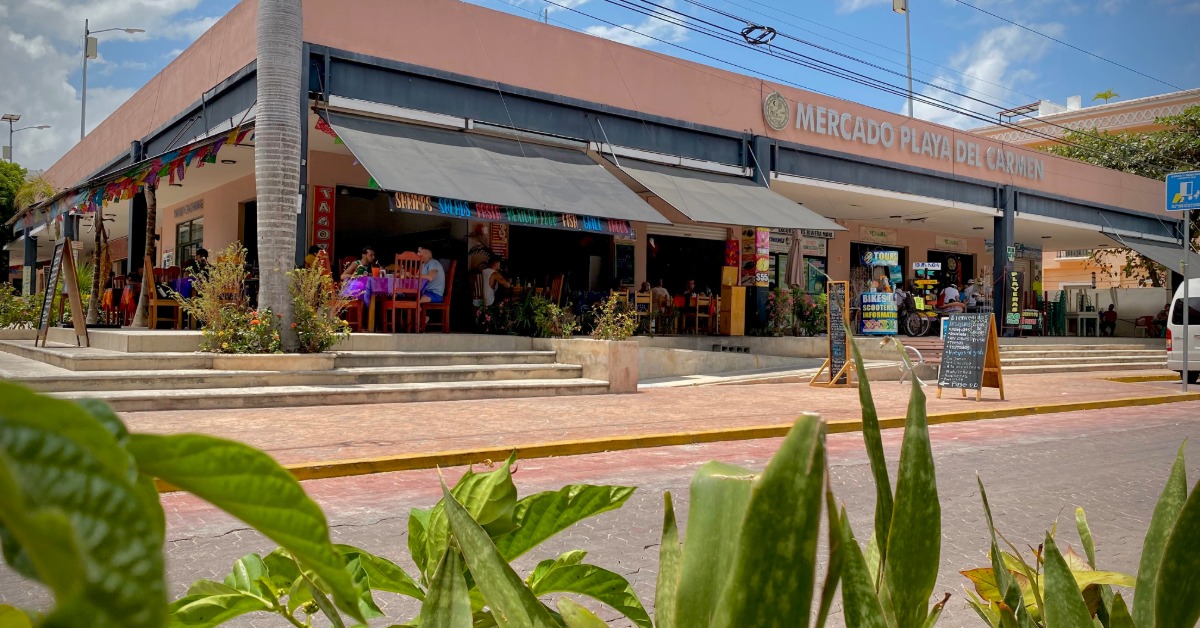
Playa del Carmen has taken a formal step toward making its municipal markets part of the city’s tourism offer, not just local shopping spaces.
City officials named Óscar López as director of Municipal Markets and installed a committee to review, support, and promote the city’s public markets. The plan is tied to improving local commerce and presenting the markets as spaces for gastronomy, culture, and neighborhood life.
The announcement covers four markets under municipal administration: Diana Laura Riojas, the market on 10th Avenue, Las Piñatas, and the market in Puerto Aventuras.
Four markets now part of the plan
The city says the Diana Laura Riojas market has 192 active vendors. The market on 10th Avenue has 40 spaces. Las Piñatas has 64 open spaces, while the Puerto Aventuras market has about 15 merchants operating.
Those numbers show the markets are not a small side issue. They are tied to daily income for many families and to the way residents buy food, prepared meals, and basic goods.
Officials have framed the project as a way to strengthen local businesses while giving visitors a more direct look at everyday Playa del Carmen. That could matter in a destination often defined by beaches, resorts, and Fifth Avenue.
For residents and longer-stay visitors, the practical test will be simple. The markets need to be clean, safe, organized, and easy to use. Without those basics, tourism promotion alone will not be enough.
A push beyond beaches and resorts
The market plan fits a broader municipal effort to promote tourism beyond sun and beach. Playa del Carmen officials have been pushing culture, food, cenotes, local routes, and community-based attractions as part of the city’s tourism identity.
That shift is not unusual for major beach destinations. Visitors still come for the coast, but many also look for food, local shopping, and cultural stops that feel less packaged.
Municipal markets can fill that role when they work well. In many Mexican cities, markets are part of daily life and part of the visitor experience. They offer local food, informal conversation, and a better sense of how a place functions outside hotel zones.
Playa del Carmen appears to be trying to place its markets in that same category. The challenge is that real market renewal often requires steady maintenance, clear vendor rules, working utilities, and better public access.
The next test is follow-through
The new committee is expected to review market conditions, vendor needs, and potential improvements. Local officials have also raised the need to review how market spaces are assigned and managed.
That part of the plan could be sensitive. Markets often involve long-running vendor relationships, family businesses, and concession arrangements that can be difficult to change.
If handled carefully, the project could help formal vendors and bring more people into the markets. If handled poorly, it could create tension over spaces, fees, repairs, or enforcement.
For Playa del Carmen, the larger question is whether the city can turn an economic development announcement into visible improvements. Tourists may visit a market out of curiosity. Residents will decide whether the changes work in daily life.
A local-commerce strategy with tourism value
The strongest part of the plan is that it does not depend only on visitors. Better markets can serve local families first, while also giving tourists another reason to spend money outside the resort and beach corridors.
That balance is important in a city where tourism drives the economy, but daily life depends on local services. A market that works for residents is more likely to feel authentic to visitors.
The appointment of a director and committee gives Playa del Carmen a structure for the work. The next steps will show whether the city can turn its markets into cleaner, more active, and more useful public spaces.