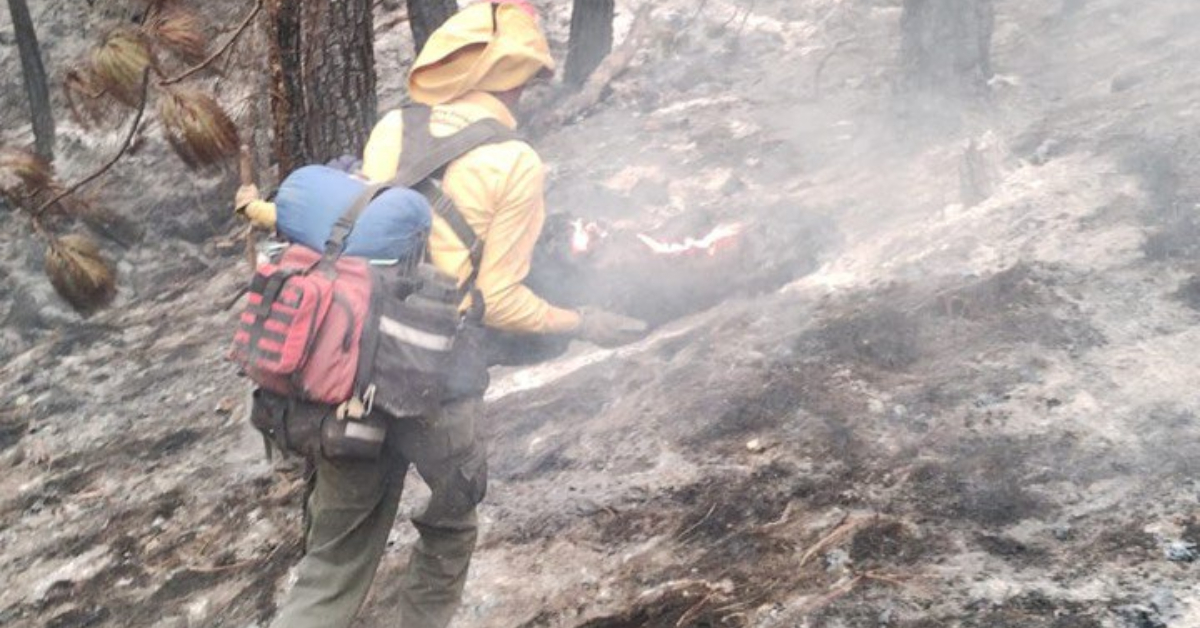
Puerto Vallarta still feels like winter in the early mornings, but the hidden story is what happens after lunch. Meteorologist Víctor Cornejo López says the region is sliding toward a drier, hotter stretch starting mid-February—exactly the kind of shift that turns a small spark into a fast-moving hillside fire. The next few weeks are when the outcome is decided: whether 2026 becomes another season of smoky skies and disrupted routines, or one where prevention finally stays ahead of the flames.
A dry turn begins in mid-February
Meteorologist Víctor Cornejo López is warning that the Puerto Vallarta region is entering a pattern that often precedes wildfire outbreaks. As the season advances, humidity typically drops gradually, while daytime temperatures begin to climb from mid-February onward. Even if mornings along the coast stay cool through February, March, and part of April, the overall trend points toward a progressively drier atmosphere—one that can prime vegetation to burn more easily and more aggressively.
Why the atmosphere matters this year
Cornejo López links the risk to strengthening anticyclonic systems, the broad high-pressure patterns that can lock in dry conditions and lower relative humidity. When that happens, the landscape dries out faster, and the margin for error shrinks. He expects a mix of higher temperatures, stronger winds, and lower humidity this year—a hazardous combination because it doesn’t just make ignition more likely, it can also help fires spread quickly and grow larger before crews can contain them.
What that could mean for life in Vallarta
Wildfires here aren’t only a backcountry problem. Smoke can drift into town, settle in the bay, and turn a typical week into a stretch of irritated throats, hazy views, and cancelled outdoor plans. For many expats who live near the foothills, spend time on terraces, or escape into the surrounding trails, the risk becomes personal fast. One careless burn pile, an overlooked cigarette, or a gusty afternoon can set off a chain reaction that affects neighborhoods, roads, and day-to-day routines across the region.
The prevention window is now
Cornejo López’s message is less about alarm and more about timing. If the weather is lining up for fire season, the smart move is to treat January and early February as the planning phase—when prevention strategies are set, monitoring becomes routine. Communities reduce the small, avoidable causes that become big emergencies later. He also underlined two practical priorities for the months ahead: staying attentive to changing conditions and using water responsibly, because drought pressure tends to rise right when demand does.