The arrest of El Jardinero happened close enough to Puerto Vallarta to trigger immediate fear on both sides of the state line. Fires, roadblocks, and bus suspensions followed in Nayarit within hours. Yet Vallarta did not relive the chaos seen after the February operation against El Mencho. That difference matters for residents and visitors alike. It says something about who El Jardinero was, how CJNG works in this corridor, and how authorities moved fast to stop another violent spillover.
[adinserter block=”3″]
What happened in Nayarit
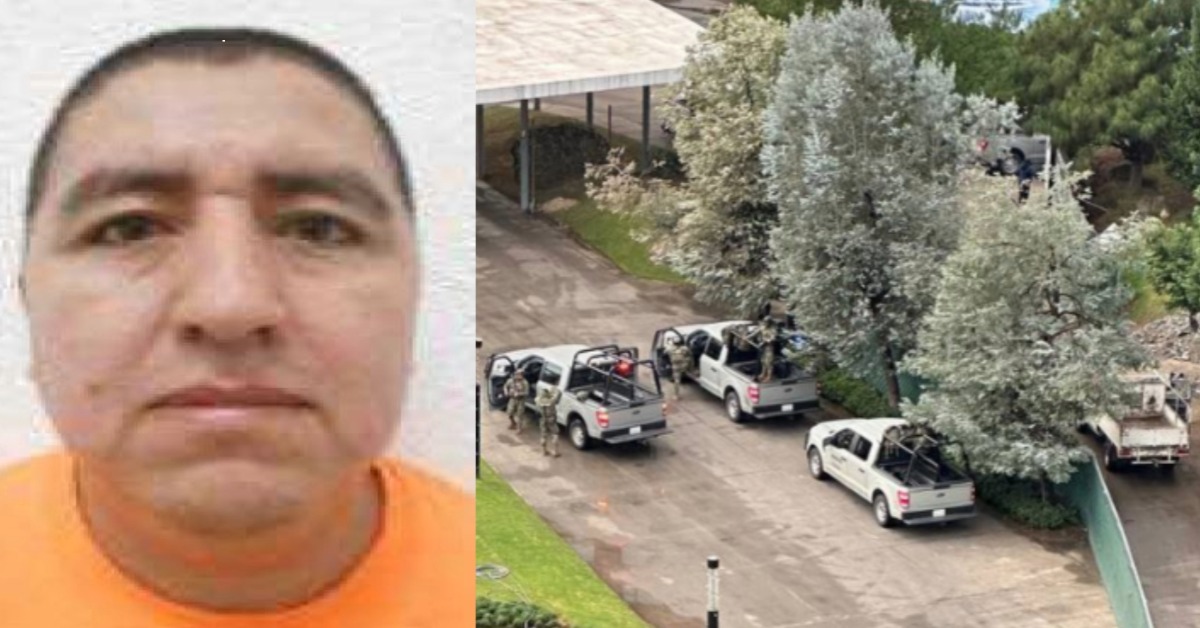
On April 27, 2026, Mexican marines and federal security personnel arrested El Jardinero, whose real name is Audias Flores Silva, in rural Nayarit. The site was close to the corridor that leads into Puerto Vallarta. Authorities said they had tracked him for about 19 months. They also said the operation used a large federal force, aircraft, and helicopters. Flores Silva was reportedly protected by dozens of armed men and vehicles. Even so, officials said he was captured without a firefight. They said his escorts scattered as a distraction and that he was later found hiding in a drainage conduit.
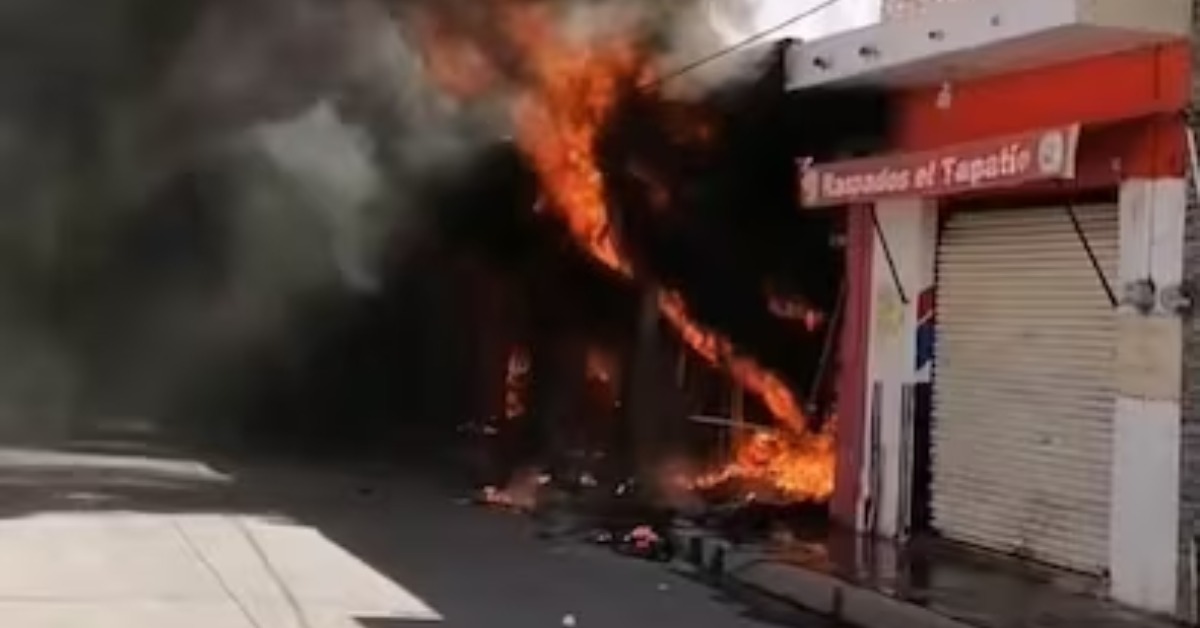
That detail matters for local readers. The arrest happened close enough to Puerto Vallarta to raise fears of immediate spillover. The retaliation came quickly, but it stayed more limited than many expected. Across parts of Nayarit, armed groups burned vehicles and shops. Some transport companies then suspended service on exposed routes. Local reports described scattered incidents in several municipalities. Federal officials later said the confirmed evening toll was six burned vehicles and six burned stores. They also said there were no deaths or injuries in the immediate backlash. By the morning of April 28, the governor said highways, toll booths, schools, businesses, tourism, and social activity were operating normally again.
[adinserter block=”3″]
Who Jalisco New Generation Cartel commander Audias Flores Silva was and why he mattered
El Jardinero was not a minor operator. He was a senior regional commander in the Jalisco New Generation Cartel, or CJNG. U.S. and Mexican authorities tied him to drug trafficking, violent enforcement, and control over strategic territory on Mexico’s Pacific side. After the February death of El Mencho, Flores Silva was seen as one possible power center inside the cartel. Authorities also described him as part of El Mencho’s security and command structure. That helps explain why his arrest carried weight far beyond one state.
His history with CJNG goes back years. U.S. authorities say he served a five-year prison sentence in the United States for drug trafficking before returning to Mexico. In 2016, Mexican authorities arrested him over his alleged role in the 2015 ambush that killed 15 state police officers in western Mexico. He later got out. Washington publicly designated him in 2021. It also announced a reward of up to $5 million for information leading to his arrest or conviction. U.S. authorities linked him to cocaine, heroin, firearms, methamphetamine labs, and trafficking routes feeding the U.S. market. He also deepened his hold in Nayarit during years when former state officials were later accused or sanctioned for corruption linked to traffickers, including CJNG.
[adinserter block=”3″]
Why authorities wanted him
Flores Silva was captured because he sat at the center of several overlapping threats. Authorities say he helped run CJNG’s Pacific corridor. They say he oversaw drug production, managed trafficking routes, and commanded armed cells accused of attacks on rivals, civilians, and police. He was also wanted in Mexico and sought by the United States for extradition. In plain terms, he was not only a local strongman. He was a cross-border target with influence over drugs, money, and violence in a strategic western corridor.
For readers in Puerto Vallarta, there is another layer. U.S. Treasury actions have tied CJNG in the Puerto Vallarta area and the nearby Nayarit coast to timeshare fraud schemes. Those schemes often targeted older U.S. citizens in English. They also brought cartel revenue outside the drug trade. In February, Treasury said timeshare fraud operations in Nayarit were controlled by cartel operatives acting on behalf of Flores Silva. That does not mean every scam in the region pointed back to him. It does mean authorities saw his network as broader than drugs alone. For many foreign residents, this arrest feels more local than it first appears.
[adinserter block=”3″]
How the violence unfolded
The violence that followed fit a familiar CJNG pattern. Instead of trying to retake Flores Silva directly, criminal cells appear to have answered with disruption. Reports pointed to torched vehicles, burned stores, roadside blockades, and gunfire in scattered municipalities. That kind of response is designed to create confusion. It also clogs highways, slows security forces, and floods social media with fear. In a tourism corridor, rumors can travel faster than any convoy. That is part of the tactic.
Authorities responded with containment rather than spectacle. Federal officials said they kept a three-level security deployment in place. Later, they said there were no active highway blockades. The state government pushed residents toward official channels. It also denied false reports of a statewide class shutdown. In the border zone north of Puerto Vallarta, local officials said security coordination remained active. Public reporting also pointed to extra patrols and visible overflights. Bus companies cut service on routes seen as exposed. That was disruptive, but it also reduced the number of civilians caught in the middle of a fast-moving security event.
[adinserter block=”3″]
Why Puerto Vallarta stayed calm
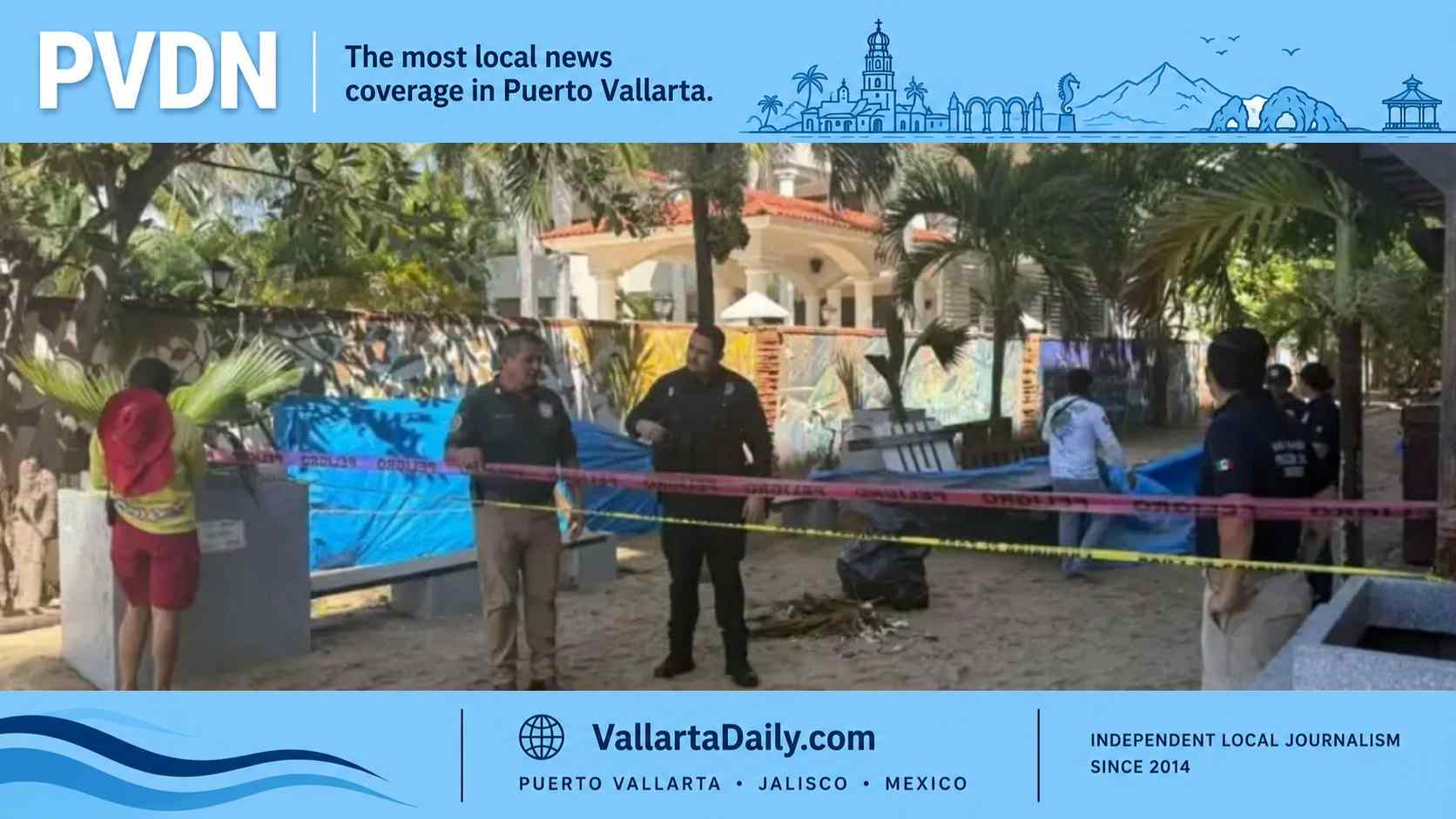
The short answer is that Puerto Vallarta was not ignored. It was treated as the place that most needed to stay open and calm. City officials said there were no incidents inside the municipality as the Nayarit violence unfolded. That stand-down was not automatic. Flores Silva was captured close enough to Vallarta for authorities to assume spillover was possible. Because of that risk, the response focused early on the state line, access roads, patrol visibility, and vulnerable transport links.
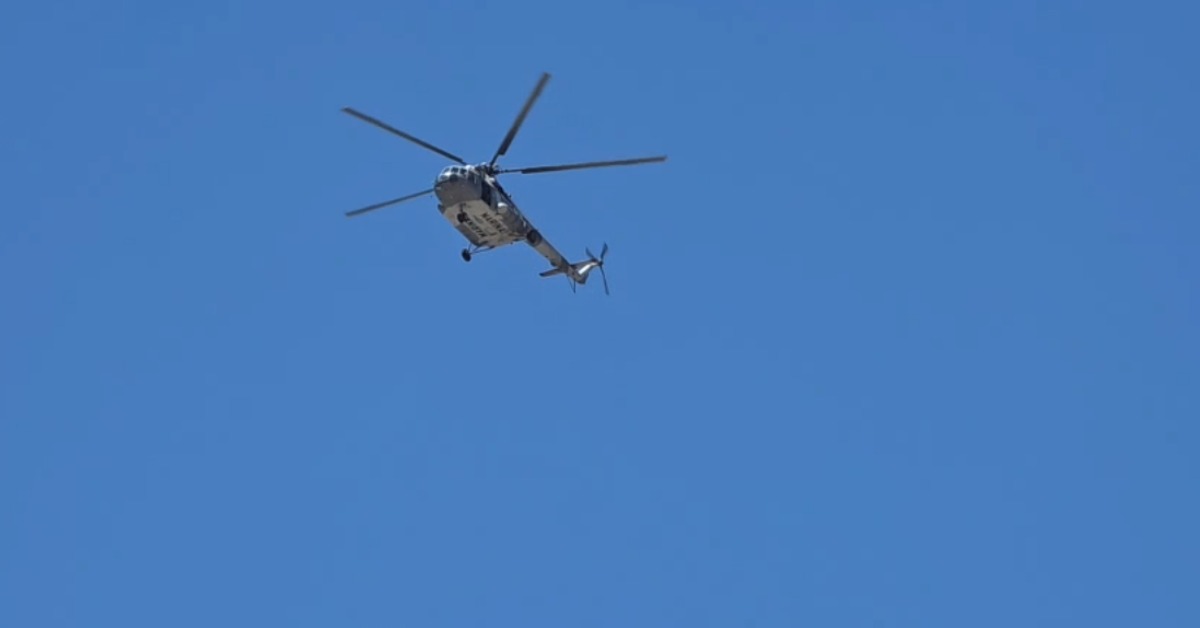
There was also a major tactical difference from February. The operation against El Jardinero ended with a live arrest and no firefight. The February 22 operation against El Mencho ended with the death of the cartel founder. That appears to have triggered a broader and more emotional retaliation. Back then, Puerto Vallarta saw fires, mobility restrictions, shelter-in-place notices, and flight cancellations. This time, the immediate violence stayed mostly inside Nayarit. Vallarta moved into a guarded normal instead of a shutdown. That does not mean risk vanished. It means the first wave appears to have been contained before it crossed fully into the city.
[adinserter block=”3″]
What this means after Nemesio Oseguera Cervantes
The comparison with El Mencho is useful, but only if it is precise. The February 22 operation was the one authorities said killed him, not arrested him. Both cases hit the top of CJNG at a sensitive moment. Both triggered retaliatory actions meant to show the cartel could still punish the state. But the April 27 arrest of El Jardinero produced a smaller map of violence. It also produced less damage and no confirmed deaths in the immediate backlash. Most importantly for local readers, it did not lead to a repeat of the city-level disruption that Puerto Vallarta experienced in February.
That does not make this a clean ending. Removing Flores Silva is a real blow to CJNG, especially after El Mencho’s death. It may reshape the cartel’s internal balance. But the group still has cells, money, routes, and criminal businesses in western Mexico. The immediate lesson for Puerto Vallarta is narrower and more practical. The city was not spared, despite the threat being minor. It was spared because authorities moved quickly, controlled key corridors, cut vulnerable transport links, and prevented the violence from becoming a second February.