The work at La Desembocada is no longer just a bridge project. Jalisco authorities say explosive specialists and a trained canine team are now fixed at the site while crews tear down the damaged structure and prepare a replacement. The move follows a fatal blast during demolition, but the bigger story is why this crossing became a security concern in the first place, what it means for nearby communities, and how long the disruption could shape movement on Puerto Vallarta’s rural edge.
Why the demolition site is under tighter watch
The La Desembocada bridge is being demolished under an added layer of security. Jalisco authorities say two explosives technicians and an explosives-detection canine team will remain at the site while the work continues. For readers outside Mexico, a binomio canino is a trained detection dog working with a handler. In this case, the team is there to help spot suspicious objects or possible explosive material before demolition crews move deeper into the damaged structure.
That is not a routine detail for a public works job. It shows that officials still see the site as a place where hidden risk could remain. The state says the specialists are working alongside engineers from Jalisco’s Infrastructure and Public Works Secretariat, which is handling the demolition and reconstruction. Authorities say any unusual object found in the bridge area is now meant to trigger an immediate review by the explosives team before the work continues.
How La Desembocada became a high-risk work zone
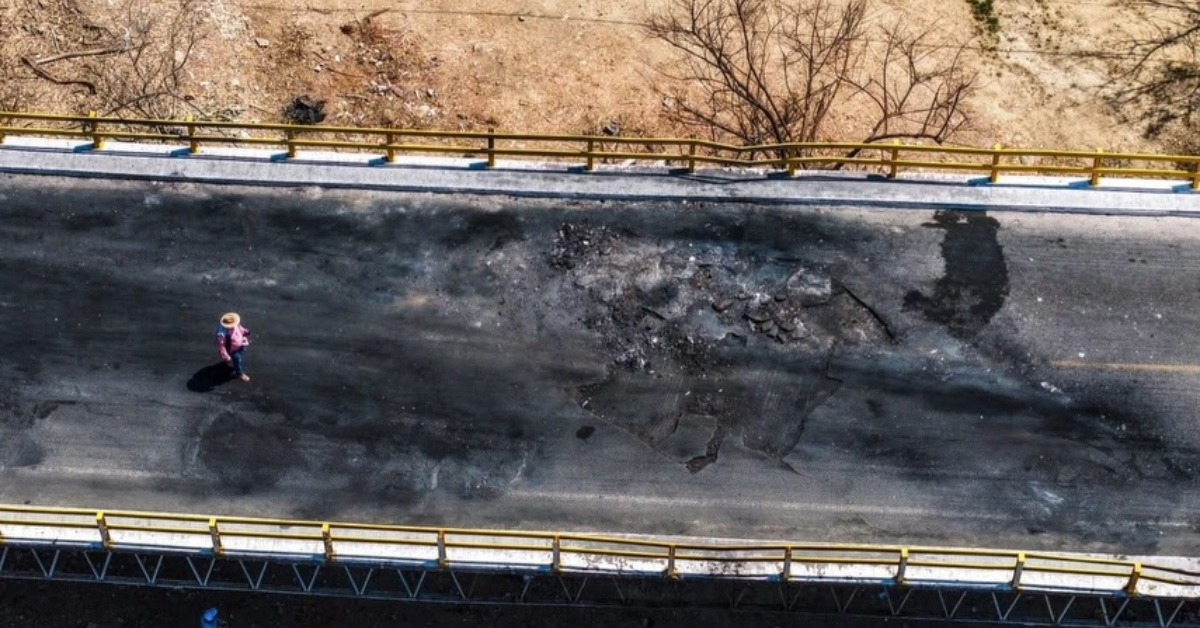
The extra precautions come after the March 3 explosion at the bridge during demolition work. That blast killed a man in a nearby parcel and injured a machinery operator. In the days that followed, state officials said the explosion was not caused by ordinary demolition activity. They said a device left behind from the February 22 violence in the region appears to have detonated after heavy equipment caused vibration in the structure.
That explanation matters because it changes how the bridge has to be treated. Officials later said at least eight explosive devices had already been deactivated at the site, and that a nearby vehicle with more explosive material and detonators had also been found. Even so, one device appears to have remained hidden inside the bridge structure. That is why the current demolition is being handled as both an infrastructure project and a hazard-removal operation.
Why the bridge matters to Puerto Vallarta
This is not a minor crossing on the edge of town. State officials have described La Desembocada as a strategic route for communities outside the urban core and for movement toward inland municipalities. When the bridge was knocked out, the disruption went beyond traffic. It affected access for families, workers, and producers, as well as deliveries and daily travel in Puerto Vallarta’s rural belt. That helps explain why authorities moved quickly to create a temporary alternative rather than wait for the permanent rebuild.
The city enabled a provisional crossing near Camino Viejo al Cantón over the Río Mascota so people would not be cut off while the state works on the replacement bridge. For expats and other residents, this may feel like a distant rural story, but it is tied to the same road network that supports daily life in the city. When a bridge in that corridor fails, the effects can be seen in longer trips, service detours, freight delays, and increased uncertainty about travel to outlying communities.
What happens next
Officials say the bridge cannot be repaired and must be replaced entirely. The state has put the new structure at about 80 million pesos and says it wants the project finished in July. Authorities have also said the bridge dates back to 1994 and suffered structural damage serious enough to make rehabilitation impossible. That timeline matters because a July reopening would restore a key link before the rainy season puts more pressure on temporary routes and local mobility.
For now, the presence of explosives specialists and a detection dog is a sign of caution. It does not mean the site is closed to progress. It means the job is being carried out in stages, with safety checks built into each part of the demolition. Residents should expect a project that may move more slowly than a normal bridge teardown. In this case, speed is secondary. The immediate goal is to clear the site safely, prevent another blast, and make sure the next bridge opens on firmer ground than the last one closed.