Garbage is again becoming a daily problem in parts of Puerto Vallarta, with residents saying some neighborhoods have gone several days without collection. The complaints point to a larger issue behind the curbside piles: the city is still trying to stabilize a new municipal trash system after the breakup of its former private collection arrangement. For residents, businesses, and long-term visitors, the question now is whether the new model can keep pace with a growing city.
Puerto Vallarta Trash Problems
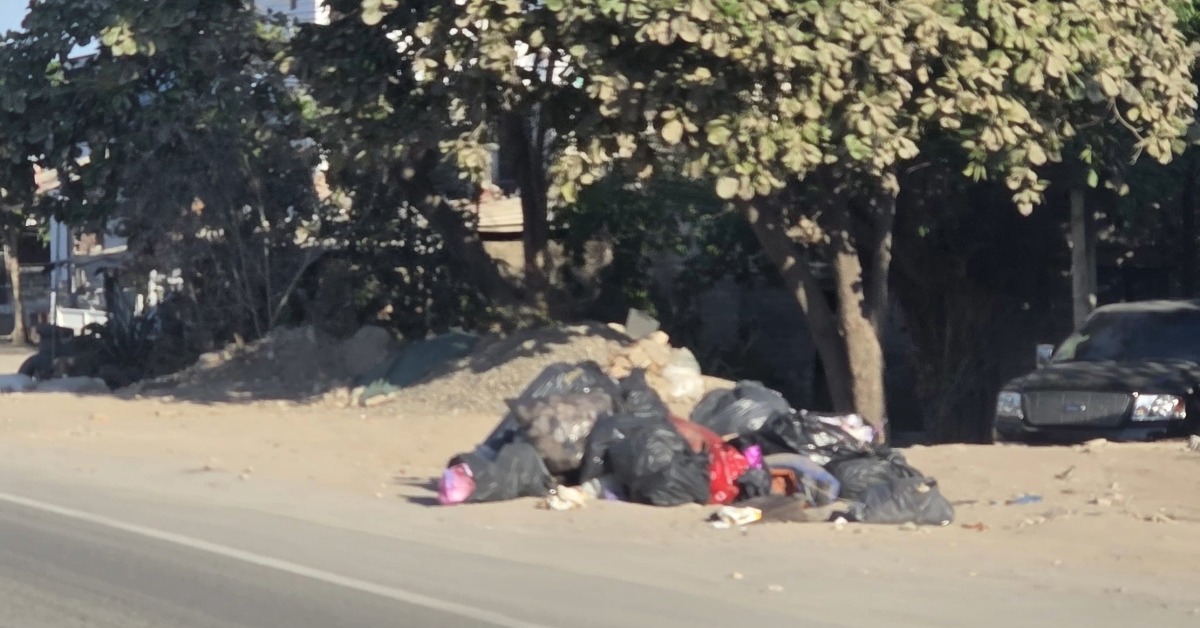
Residents in several Puerto Vallarta neighborhoods say garbage collection delays are leaving bags of waste piled along streets, near homes, and around public areas.
The complaints come from multiple colonias, including Las Juntas, El Progreso, Versalles, Los Mangos, Gaviotas, San Esteban, La Floresta, Guadalupe Victoria, and Valentín Gómez Farías. In one reported case near the Héroes de la Patria school, residents said trash had remained uncollected for more than five days.
The reports add pressure to a service that has been under public scrutiny for months. Puerto Vallarta recently shifted back to direct municipal control of garbage collection after ending its arrangement with Red Ambiental, the private company that had handled collection and disposal.
Complaints spread across several neighborhoods
The most common complaint is simple: the truck has not passed.
For residents, that creates a problem that grows by the day. Bags split open. Animals scatter waste. Odors build up. Sidewalks and street corners become temporary dumping points.
This is not only a concern for people living in the affected colonias. Puerto Vallarta depends heavily on a clean public image. When garbage accumulates in residential and commercial areas, it affects daily life and how the city is perceived by visitors.
The situation is also harder in warmer weather. Heat can make odors worse and speed up the decomposition of food waste. In neighborhoods with narrow streets or limited storage space, residents may have few good options while waiting for collection.
The problem follows a major service change
The current complaints come about a month after Puerto Vallarta took direct control of its solid waste collection system.
The change followed the early end of the city’s relationship with Red Ambiental. That arrangement had been approved as a long-term concession, but it lasted only about 15 months. The breakup left the municipality responsible for a service that touches every household, business, school, restaurant, and hotel in the city.
After taking over, the municipal government announced a new collection plan. The system was presented as a daily service with morning, afternoon, and evening shifts. Residents were also asked to place trash on designated street corners instead of leaving bags directly outside homes.
That detail matters. A route change can fail quickly if residents do not know where or when to place their trash. It can also fail if trucks cannot keep up with demand.
Trucks, routes, and timing remain central issues
Puerto Vallarta is trying to operate a citywide system while still adjusting routes, staffing, vehicles, and public habits.
Municipal officials previously said the service would rely on multiple daily shifts. They also asked residents to respect collection schedules. The goal was to prevent garbage from sitting outside for long periods before trucks arrived.
But the latest neighborhood complaints suggest that the system is still not stable in all areas. Some neighborhoods may be getting regular service, while others appear to be facing missed pickups or long gaps between collection days.
That unevenness is part of what frustrates residents. In a city with more than 280 colonias, even partial service gaps can become visible quickly.
Why missed pickups become a public health concern
A few missed bags do not always create an emergency. But several days of accumulated garbage can become a sanitation issue, especially when food waste is involved.
Uncollected waste can attract flies, rodents, stray animals, and insects. Torn bags can spread waste into streets and drainage areas. During rainy periods, trash can also block drains and worsen localized flooding.
For older residents, families with children, and people living near schools or busy corners, the problem can feel more immediate. It is not just about appearance. It affects comfort, hygiene, and the use of public space.
The risk grows when residents feel forced to place trash outside because they have no room to store it at home. Once waste reaches the street, it becomes much harder to contain.
A city service with a political and financial backdrop
Garbage collection in Puerto Vallarta has become more than a basic public service issue. It is also tied to a broader dispute over contracts, debt, and the city’s capacity to manage the system on its own.
The former concession with Red Ambiental ended amid a disagreement over unpaid amounts. Reports have placed the disputed debt at more than 200 million pesos, with some estimates above 240 million pesos.
That financial dispute matters because trash collection is expensive. It requires trucks, fuel, maintenance, workers, transfer facilities, disposal sites, and constant route management. If any part of that chain breaks down, residents see the results quickly.
The city now has to prove it can operate the service consistently while also dealing with the fallout from the previous arrangement.
What residents should watch for now
The immediate question is whether the municipality can close the gaps in affected neighborhoods.
Residents will likely be watching whether trucks return on a predictable schedule, whether street-corner collection points are clearly understood, and whether missed routes are corrected quickly.
There is also a communication issue. Many foreign residents in Puerto Vallarta may not follow Spanish-language municipal updates on social media. That can make schedule changes harder to understand, especially in neighborhoods with mixed local and international populations.
Clear route information, posted schedules, and fast responses to missed pickups would help reduce confusion. Without that, residents may keep placing trash in the wrong place or at the wrong time, even when they are trying to follow the rules.
The larger test for Puerto Vallarta
Puerto Vallarta is no longer a small beach town. It is a growing city with dense neighborhoods, a large tourism economy, and steady pressure on public services.
Garbage collection is one of the clearest tests of whether a city is keeping pace with growth. When the system works, most people barely notice it. When it fails, everyone notices.
For now, the complaints from several neighborhoods show that the new municipal system still has work to do. The issue is not only whether trucks are running. It is whether the collection is reliable enough for residents to plan around it.
Until that happens, garbage will remain a visible problem in parts of Puerto Vallarta.