Puerto Vallarta is rolling out a new Puerto Vallarta Crocodile Patrol—a trained team that will watch beaches and estuaries, warn swimmers, and move risky animals when needed. The city and Jalisco’s environment ministry say the patrol begins in November and is part of a broader plan built with university and park experts. The goal is simple and human: keep people safe without demonizing wildlife. After a string of viral encounters and even poaching, officials want fewer scares—and fewer dead crocs.
Puerto Vallarta Crocodile Patrol
Puerto Vallarta is establishing a Puerto Vallarta Crocodile Patrol to prevent dangerous beach encounters and protect a vulnerable species that still inhabits this coast. The state government, through Semadet, says the specialized team will begin regular land-and-sea sweeps in November, issue real-time warnings, mark safer swim zones, and intervene when needed. City Civil Protection will work alongside state personnel trained in crocodile handling and protection. Officials pitched the patrol as a practical fix for a real, local problem—keeping humans out of harm’s way without treating crocodiles as villains.
Why the city is doing this now
The new patrol follows a flurry of incidents and anxiety along the bay. In July, authorities found a decapitated crocodile inside Estero El Salado, a protected urban mangrove reserve. That mutilation, plus lifeguards’ capture of a 12-foot animal on a nearby beach, sharpened the sense that coexistence needed structure, not just warnings. Officials also say data skews in a way most people don’t expect: there are more reports of people attacking crocodiles than the other way around in Puerto Vallarta. The patrol aims to reduce risky overlaps—especially at night, in murky river mouths, or near feeding sites—before they become headlines.
Beyond patrols, the plan adds nuts-and-bolts prevention: zoning known gathering areas; more bilingual signage where tourists actually enter the water; and removing or relocating individual animals that repeatedly show up in high-traffic spots. Repeat offenders will be tagged and, if necessary, moved to other estuaries or shelters. Those steps are paired with public education—hotel staff briefings, social campaigns, and clearer responsibilities among agencies—so visitors hear consistent advice before they wade in.
Monthly night monitoring—because crocodiles are most active after dark—will map how many animals are moving along the bay and where they congregate seasonally. Medium-term, telemetry collars on key individuals will provide real-time location data to responders, enabling lifeguards and the patrol to act early, rather than waiting for a beachgoer’s phone video to go viral online. The University Center of the Coast (UdeG) and Estero El Salado State Park are backing the science and fieldwork to keep decisions anchored in evidence, not fear.
What’s at stake with the Puerto Vallarta Crocodile Patrol
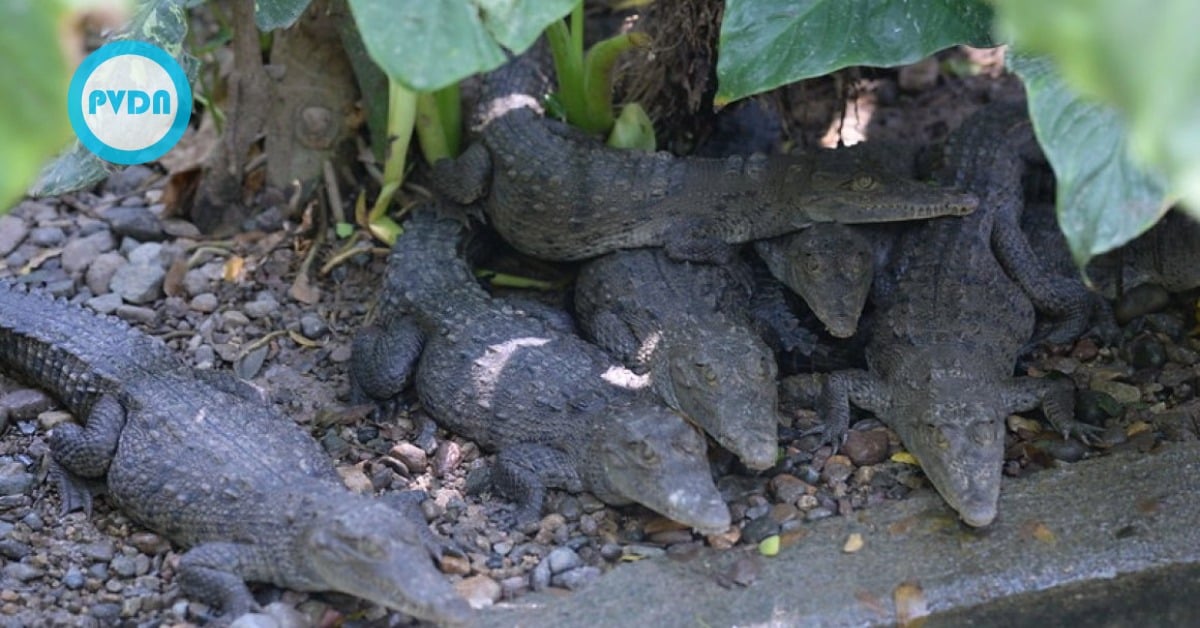
There are not many crocodiles to begin with. State and academic sources estimate roughly 300–350 animals across Bahía de Banderas, with perhaps ~45 breeding adults—numbers that make every loss matter. The species here is the American crocodile (Crocodylus acutus), listed as Vulnerable by the IUCN; habitat loss, illegal killing, and coastal build-out all chip away at local viability. In other words, the patrol isn’t just about keeping swimmers safe this weekend; it’s also about keeping a centuries-old apex predator on the coastline for the long haul.
Residents know the balance is delicate. Experts have stressed for years that crocodiles don’t “invade” new places so much as people move closer to their habitat. Most bites happen when someone swims at night, gets too close, or tries to feed or harass a wild animal. That’s why officials and conservationists now repeat the same, simple rules: heed the signs, keep a respectful distance, and call professionals when you see a crocodile where people are swimming. The new patrol is designed to make those rules stick, with trained responders who can be visible, calm, and quick.
Semadet’s Daniel Graf Pérez called the patrol a practical tool inside a broader coexistence strategy, stressing that it will work only if citizens, hotels, and tour operators treat it as a shared responsibility. That means reporting sightings promptly, steering tourists away from risky estuaries at dusk and dawn, and giving the patrol space to work when an animal needs to be moved. Puerto Vallarta’s mayor has framed the effort in the same terms: safety first, conservation always. If the rollout holds to its schedule—and the telemetry and monitoring deliver the promised early warnings—locals may see fewer late-night rescues and far fewer dead crocodiles.