Beach conditions are changing rapidly across the Jalisco coast this week. Local authorities have issued a high-heat advisory that impacts everyone from long-term residents to seasonal visitors. While the sun is a primary draw for the region, current atmospheric conditions present specific risks that require immediate attention. Understanding the combination of temperature, radiation levels, and wind gusts is essential for safely navigating the next few days.
Current Weather Conditions in Puerto Vallarta
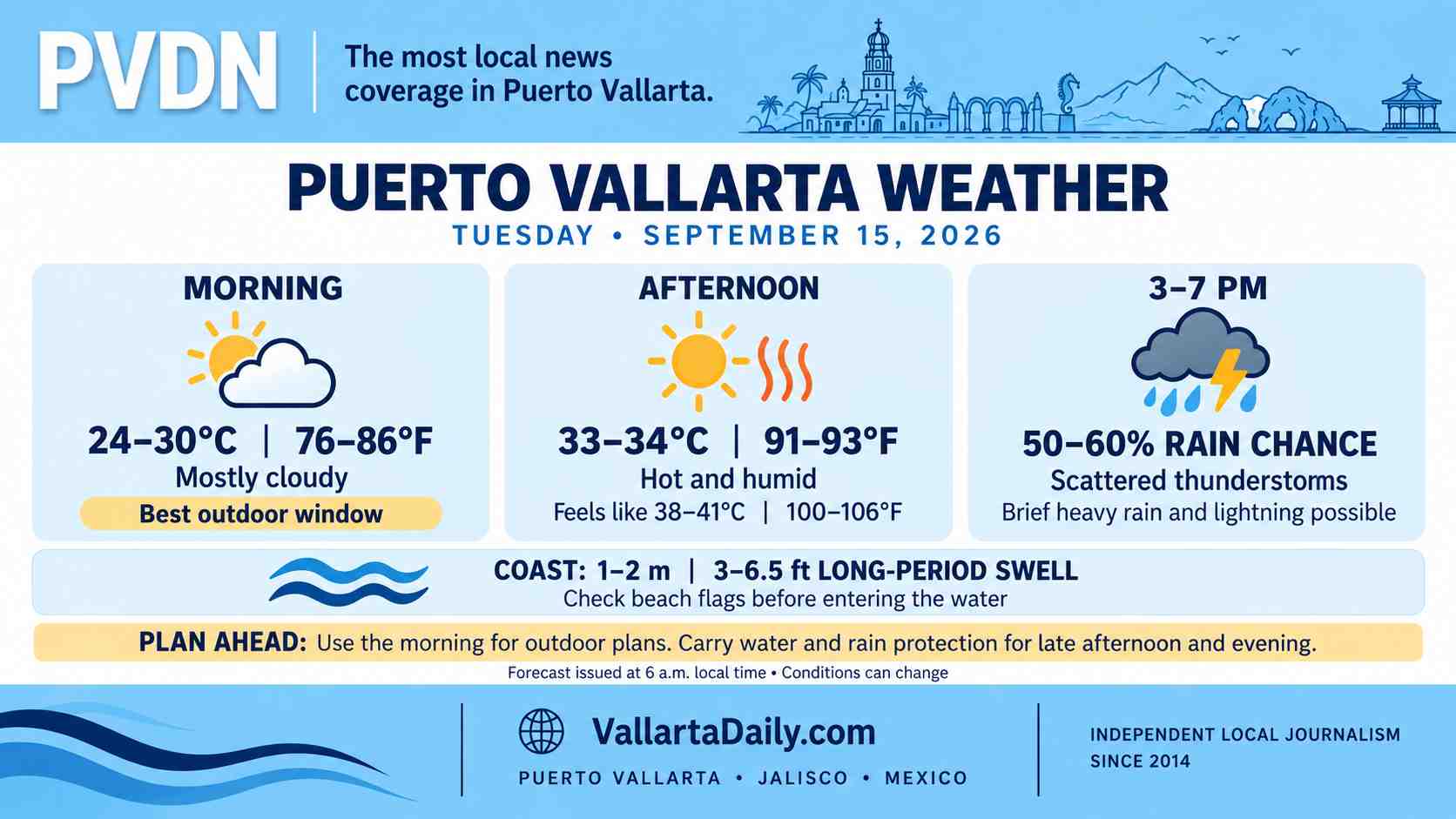
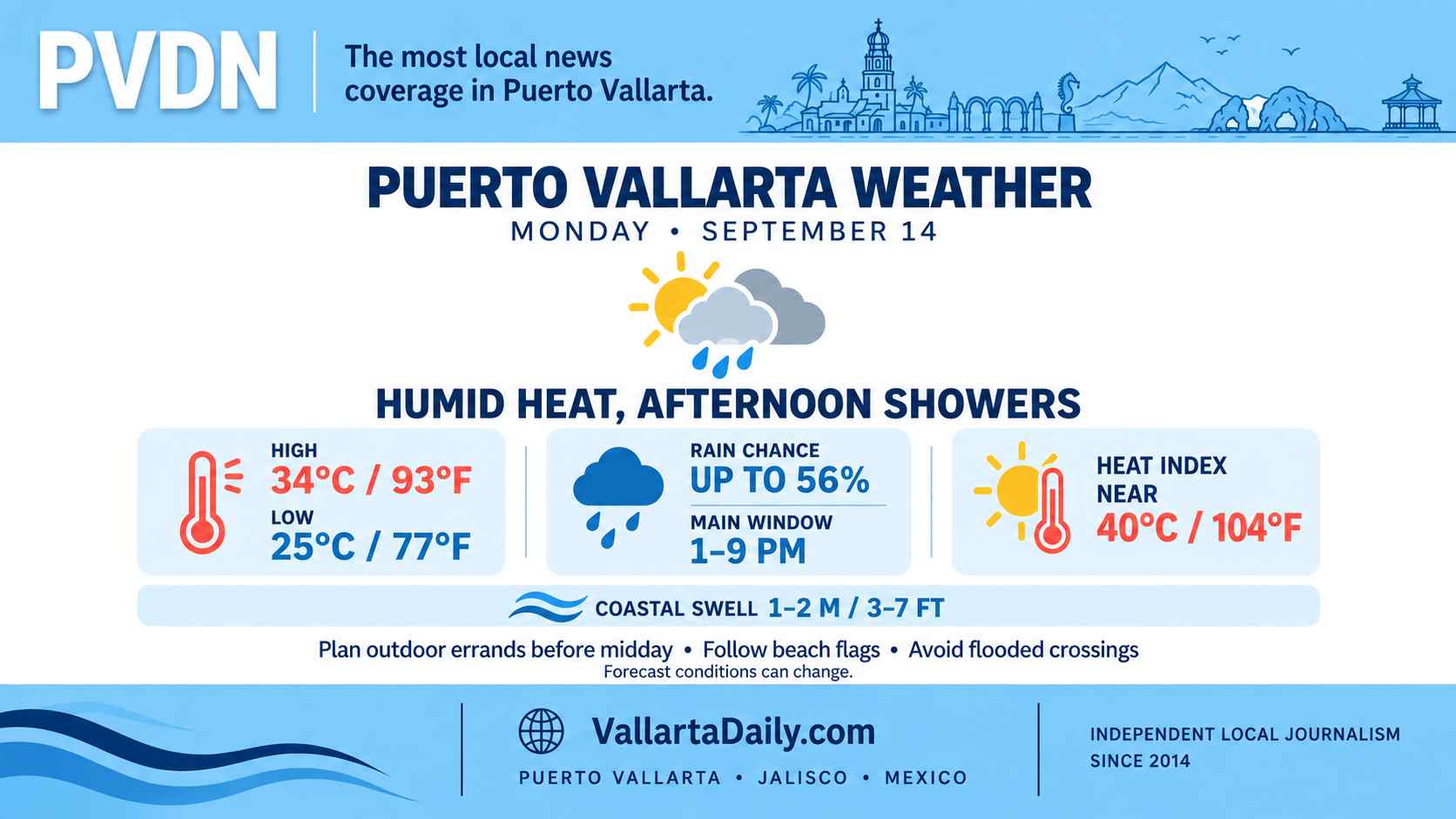
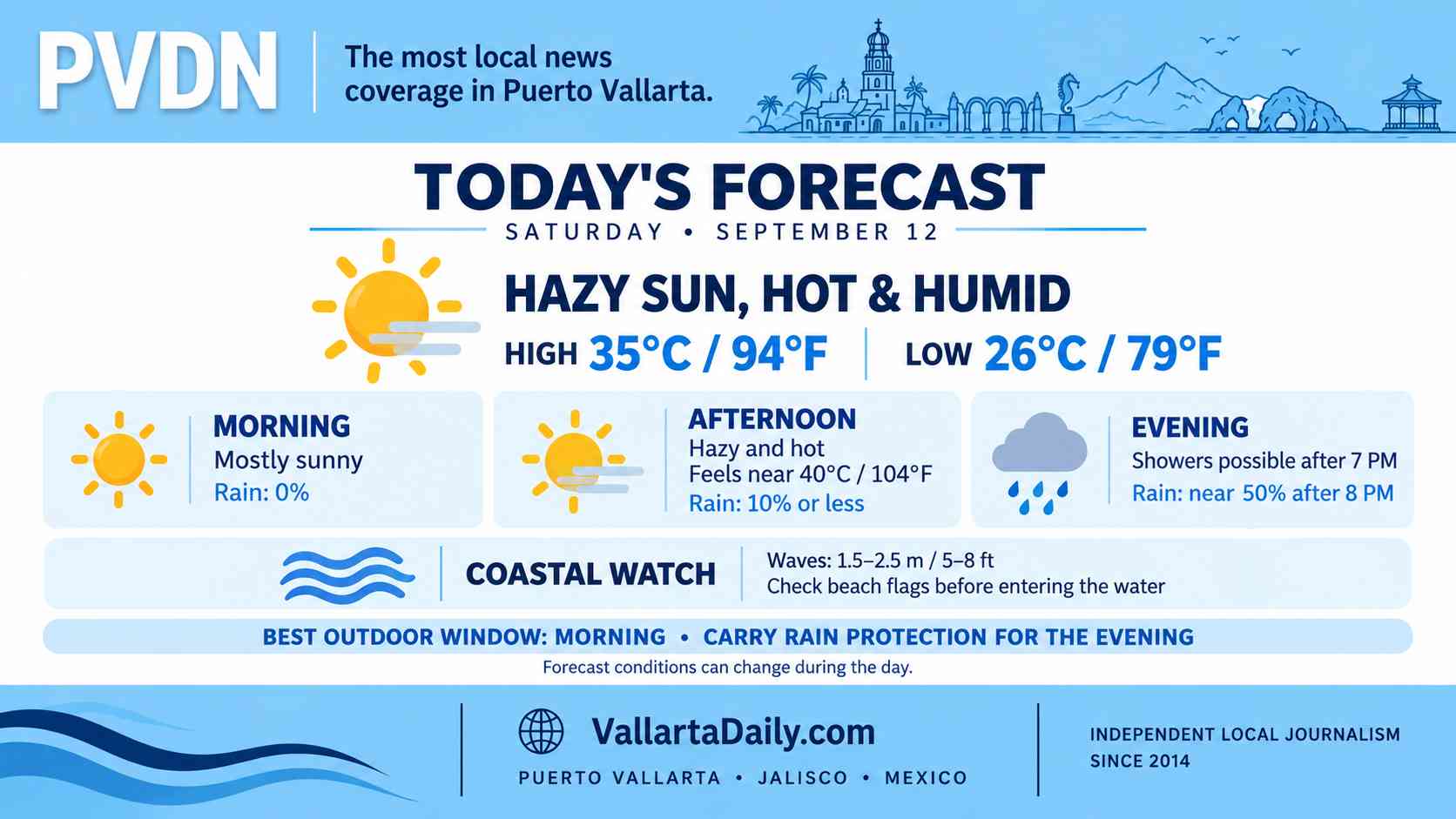
Civil protection officials confirmed that temperatures in Puerto Vallarta are climbing to 33°C. This heat is paired with high levels of solar radiation, which can cause rapid dehydration or skin damage. Residents should also prepare for strong wind gusts of up to 50 km/h along the shoreline. These winds can create unpredictable surf conditions and kick up sand or debris in open areas.
The coastal climate in March often transitions into higher humidity, making the recorded temperature feel significantly warmer. This phenomenon, often called the heat index, is what most people actually experience when outdoors. The current advisory suggests that the most intense heat will occur during the mid-afternoon hours. Planning indoor activities during this peak window is the most effective way to avoid heat-related illness.
Staying Safe During Extreme Heat
Authorities emphasize the importance of consistent hydration even if you do not feel thirsty. Drinking water regularly helps the body regulate its internal temperature in response to the external environment. Wearing lightweight, light-colored clothing can also reflect solar radiation rather than absorbing it. If you must be outside, seek shade frequently and use high-SPF sunscreen to protect against the intense Mexican sun.
For the expat community, it is important to monitor local Civil Protection updates throughout the day. High winds can sometimes lead to temporary closures of certain beach activities or boat tours. Ensure that outdoor furniture or loose items on balconies are secured against the 50 km/h gusts. Keeping a close eye on neighbors, especially those living alone, helps maintain community safety during these weather events.
With information from the Government of Mexico Weather Service