Puerto Vallarta is usually marketed to outsiders. This time, it is part of a program aimed inward. Jalisco’s 2026 social tourism plan offers free outings for qualifying residents and places the beach city alongside Pueblos Mágicos, Costalegre, and other destinations the state wants more locals to experience. For readers who follow Vallarta through hotel numbers and cruise arrivals, that shift says something larger about who tourism is supposed to serve.
Puerto Vallarta enters a resident-first tourism plan
Puerto Vallarta has been included in Jalisco’s 2026 edition of Exploremos al estilo Jalisco, a state social tourism program built around free outings for qualifying residents. The program is scheduled to run from April 6 through November 30 and is expected to deliver 88 recorridos across 45 destinations and seven attractions in the state.
That matters because this is not a typical promotion campaign aimed at drawing more outside visitors. The program is intended to expand access to travel within Jalisco for people who may not otherwise be able to afford it. In practice, that means the state is using tourism as a public-access policy, not only as an industry strategy.
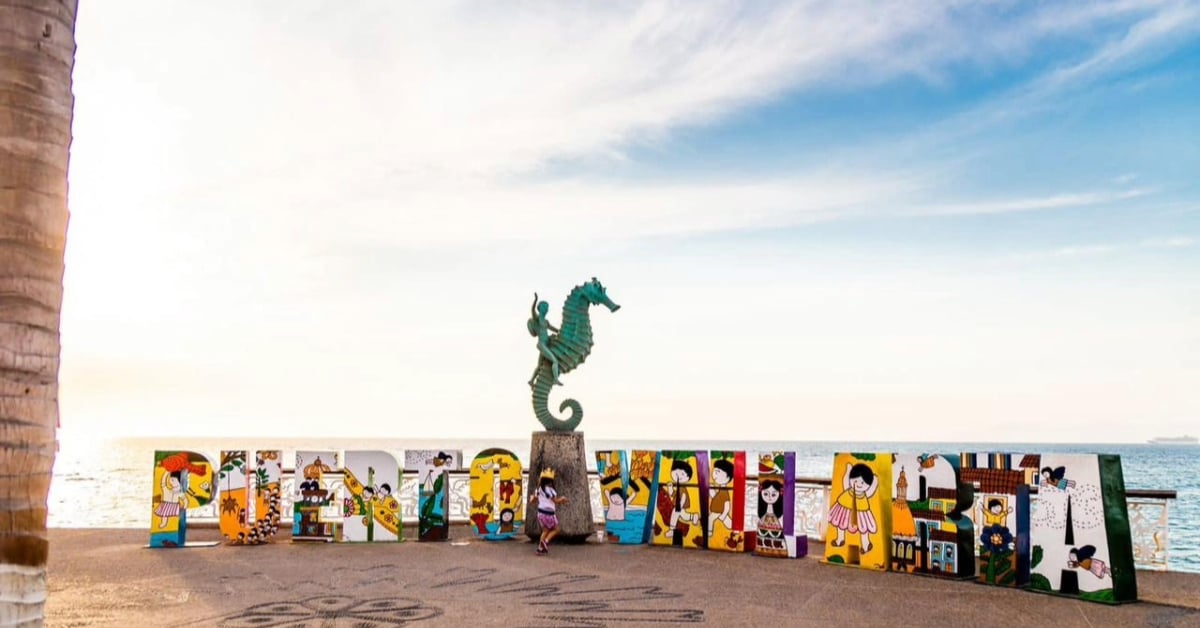
For Puerto Vallarta, the inclusion is symbolically important. The city is often discussed as an international beach destination, a cruise port, or a place tied to hotel demand and airlift. Under this program, it is also being presented as part of Jalisco’s shared cultural and recreational map, something residents across the state should have a chance to know firsthand.
What social tourism means in Jalisco
The phrase social tourism can sound abstract, especially to international readers. In Jalisco, it has a practical meaning. The state covers core travel costs for approved participants and organizes routes so more residents can visit places that are usually experienced through the lens of private tourism spending. Depending on the route, that support can include round-trip transportation, guided visits, lodging for overnight trips, and entry to attractions or recreation centers.
Officials have framed the program as a way to strengthen both access and identity. The idea is that tourism should not be reserved for people with extra money or for visitors arriving from outside the state. It should also be available to families, older adults, students, and vulnerable groups who live in Jalisco but may have limited chances to travel within it.
That context helps explain why Puerto Vallarta appears alongside inland destinations such as Tequila, Mascota, San Sebastián del Oeste, the Ribera de Chapala, and parts of Los Altos. The state is not only selling destinations. It is also trying to connect residents to places that form part of Jalisco’s public identity.
Why Puerto Vallarta’s inclusion stands out
Puerto Vallarta is one of Jalisco’s best-known tourism brands. It draws international travelers, second-home buyers, cruise passengers, and domestic visitors. Because of that, it usually sits inside conversations about growth, infrastructure, security, real estate, and visitor spending. A social tourism program changes that frame.
Instead of asking how Puerto Vallarta can attract more travelers, this program asks how Puerto Vallarta can become more accessible within a state-supported travel network. That is a different policy message. It treats the city not only as a product to market but also as a destination that belongs within a broader public promise of access.
That does not mean Puerto Vallarta becomes the immediate center of the rollout. Published details indicate the first destinations in the early phase include Mascota, San Sebastián del Oeste, Tequila, and several water parks. But Puerto Vallarta’s place in the destination lineup still matters. It tells residents that the coast is part of the same state story as the mountain towns, heritage routes, and recreation areas promoted through this program.
For a city where tourism often feels built around people arriving from elsewhere, that is a notable shift in emphasis. It does not resolve the larger debates around tourism and inequality, but it does show the state trying to broaden the social meaning of travel.
How the 2026 program is set up
The 2026 edition is larger than last year’s version. State reporting on the launch says the program has a 2.5 million peso budget and has expanded from 67 routes in 2025 to 88 this year. The structure includes 29 overnight trips, including some with camping, 39 round-trip outings, and 20 group accesses to recreation centers.
The state also added new elements. One is a camp format with overnight stays. Another is Guardianes del Patrimonio, aimed at children in upper primary grades. That modality ties tourism to heritage education by asking students to engage with local identity before traveling.
The program also keeps an inclusion focus. Published descriptions say there are specialized routes for people with disabilities, indigenous communities, and older adults served through DIF Jalisco. That broadens the program’s purpose beyond leisure. It situates travel within a broader social framework that encompasses participation, belonging, and visibility.
Who can apply and what readers should know
For readers outside Mexico, the most important point is simple. This is not a free vacation program for tourists visiting Jalisco. It is a state-run access program for people who meet the eligibility rules and complete the registration process.
Published instructions say interested participants must complete an annual pre-registration, either online or in person at the tourism secretariat’s offices. The process requires documentation that includes official identification showing residence in Jalisco, proof of address, and CURP. After that, beneficiaries are selected through public drawings held in municipalities such as Guadalajara, Tonalá, Zapopan, and San Pedro Tlaquepaque.
The first announced drawings are set for March 26 at the Secturjal facilities and April 8 in Tonalá. That gives the story a practical edge. It is not just a long-range policy announcement. It is already moving into the selection phase.
What this says about tourism in Puerto Vallarta
For years, tourism coverage in Puerto Vallarta has focused on arrivals, occupancy, cruise schedules, foreign demand, and new projects. Those indicators still matter. But Exploremos al estilo Jalisco points to another question that is becoming harder to ignore: who gets to participate in tourism, and on what terms?
By placing Puerto Vallarta within a resident-focused travel program, Jalisco is signaling that tourism is not only about external consumption. It is also about internal access. That is a modest shift, but it is meaningful. In a state where tourism drives jobs, infrastructure, and public image, the decision to expand free travel for residents suggests officials want the sector to carry a stronger social function as well.
For expats and other international readers, that is the deeper takeaway. Puerto Vallarta’s inclusion is not just about adding one more destination to a list. It reflects a broader effort to define tourism as something that should circulate benefits, experiences, and visibility more widely inside Jalisco itself.
Related Vallarta Daily coverage
Jalisco tourism plan puts Puerto Vallarta in focus now
Puerto Vallarta Tourism Holds After February Shock
Jalisco tourism plan embraces identity, sustainability, and creativity