Puerto Vallarta’s State Park team will resume human-crocodile coexistence workshops soon to teach residents how to safely share space with crocodiles and protect local ecosystems.
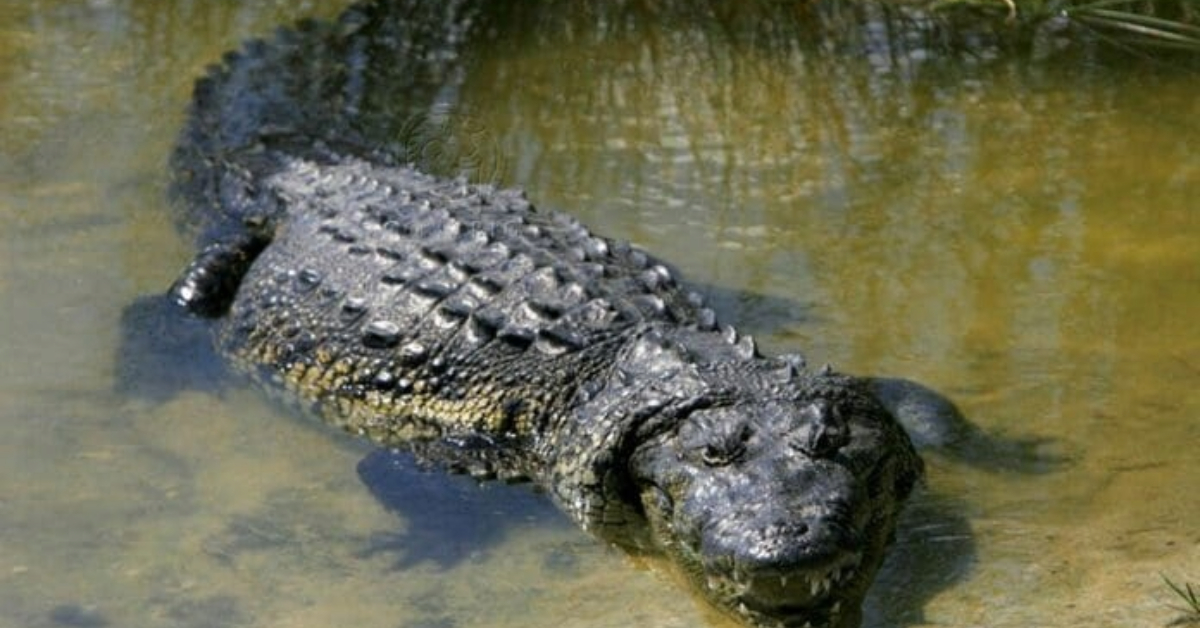
Puerto Vallarta’s State Park team announced plans to restart its human-crocodile coexistence workshops in the coming weeks, aiming to bridge the gap between local communities and one of the estuary’s most misunderstood inhabitants. Organized in partnership with the University of Guadalajara, municipal authorities from both Jalisco and Nayarit, and federal agencies, these interactive sessions will equip residents and visitors with practical tools to safely share space with crocodiles.
Helios Hernández Hurtado, head of the park’s multidisciplinary team and a recognized crocodile expert, emphasized that fear and misinformation drive most harmful encounters. “When people don’t understand an animal’s behavior or ecological role, they react out of panic,” he said. “These workshops will replace fear with knowledge—showing how simple actions can protect both humans and crocodiles.”
Workshops will cover identifying common crocodile signs, such as slide marks and nesting sites, and teach safe viewing distances. Participants will learn to interpret crocodile behavior—distinguishing between a feeding posture and one that signals agitation—and how to move calmly if they spot a crocodile near populated areas. Organizers will also demonstrate proper waste disposal methods to avoid attracting prey species like fish and birds, which in turn lure crocodiles closer to human activity.
The initiative follows the recent discovery of a dead and mutilated adult crocodile in the El Salado estuary. Hernández Hurtado estimates that at least two adult crocodiles die at human hands in Puerto Vallarta each year, while countless hatchlings fall victim to hooks, dogs, or vandalism. Only around 300 crocodiles inhabit Banderas Bay—45 of them registered adults—and El Salado alone hosts about 60 individuals of all ages. That modest number makes every loss significant.
“Each adult crocodile we lose sets the population back years,” Hernández Hurtado explained. “Our goal with these workshops is to slow human-caused mortality and give crocodiles room to recover.”
Beyond classroom sessions, the program will feature guided estuary tours where participants can observe crocodiles in their natural habitat under expert supervision. These field trips aim to foster respect by showing how crocodiles help maintain healthy mangrove ecosystems. As apex predators, crocodiles control prey populations, recycle nutrients through sediment disturbance, and create microhabitats—benefits that ripple across the food web.
Local environmental organizations have pledged support, volunteering to distribute educational materials and host cleanup drives along the estuary’s banks. Municipal authorities plan to install new signage at popular entry points, warning against feeding wildlife and providing hotline numbers for safe crocodile sightings. Rangers will increase patrols in high-traffic areas, although dense mangrove channels present ongoing enforcement challenges.
Community leaders see the workshops as part of a broader shift toward sustainable tourism. “El Salado is one of Puerto Vallarta’s natural treasures,” said a representative from the municipal tourism office. “By teaching both locals and visitors how to respect wildlife, we protect the estuary’s charm and ensure it remains a draw for nature-minded travelers.”
The first round of sessions will take place at the State Park visitor center, with additional pop-up events planned in nearby neighborhoods. Registration will open next week through the park’s website and social media channels. Spaces are limited to ensure small-group instruction, and organizers encourage families, tour guides, fishermen, and hospitality workers to participate.
As Puerto Vallarta’s tourism continues to expand, experts warn that coexistence efforts must keep pace. Hernández Hurtado called on everyone who enjoys the estuary—resident or tourist—to attend a workshop. “Crocodiles are here for an ecological reason,” he said. “When people respect that, they help protect a vital part of our ecosystem and reduce risks for themselves.”
The relaunch of these workshops marks a hopeful step toward harmony in El Salado estuary—a place where people can learn to live alongside ancient reptiles rather than in fear of them.