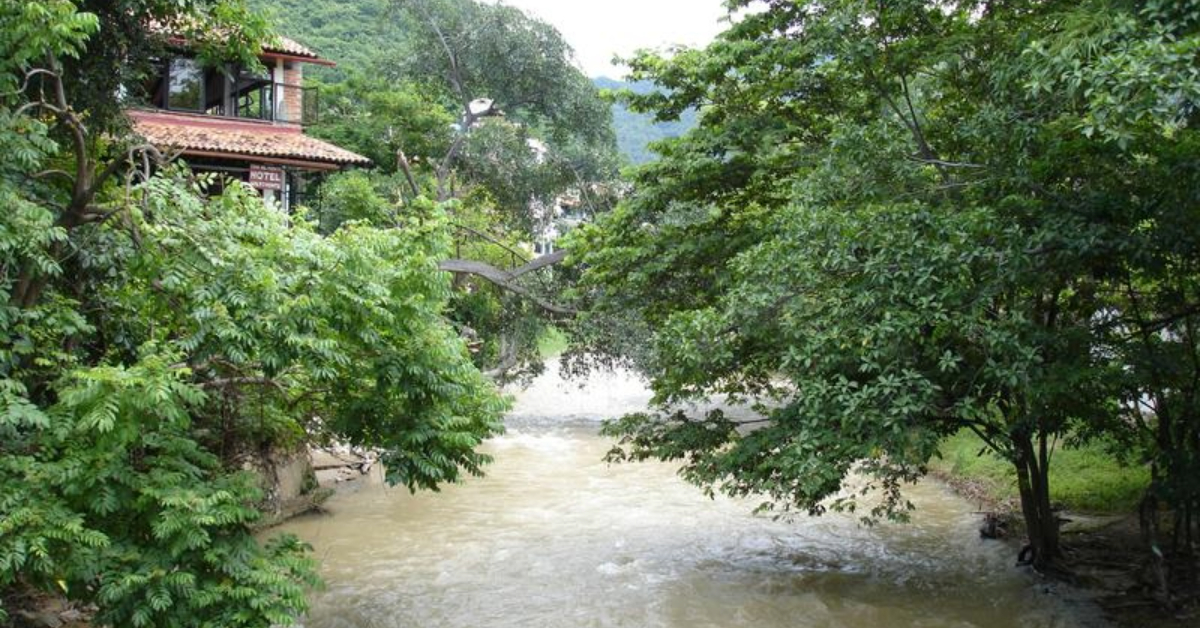
Next weekend, municipal crews and volunteers will move upstream. The city will clean rivers and streams to stop waste before it reaches the bay. The push comes days after the Federal Commission for the Protection against Sanitary Risks (Cofepris) declared Camarones, Mismaloya and Cuale beaches unfit for swimming. City leaders say the fastest way to recover those waters is to cut the flow of trash where it starts.
Christian Omar Bravo Carvajal, the City Council member who heads the Clean Beaches Commission, set the tone. “This Saturday, we’re going to get active again, but now our priorities are going to be the rivers. We need to tackle the problem at its source, and the streams are direct channels to our beaches,” he said.
The message is simple: every plastic bottle, bag or piece of debris dropped in a ravine rides the next rain straight to the sea. By clearing those channels now, the city hopes to see cleaner test results on the coast before the peak of the rainy season.
Beaches flagged unsafe spur action
Cofepris acted after recent sampling showed high levels of contamination along three popular stretches of shoreline. Instead of debating the decision, local officials accelerated their response. They pulled together public works teams, environmental staff, civil organizations and long‑time volunteers who have already spent months picking up trash on sand and riverbanks.
Bravo Carvajal noted that past efforts focused on beaches, but that approach missed the upstream problem. Shifting to rivers should reduce the constant recontamination that happens every time heavy rain hits the mountains and funnels runoff into the bay. Authorities will still monitor the ocean, yet they now see the inland cleanup as the key to lasting results.
Citizens asked to act at the source
The councilor also appealed to residents. “We ask people, with great humility and respect, to help us keep our rivers and streams as clean as possible. Throwing trash there condemns it to reach the sea,” he emphasized. The city wants households, businesses and tourists to think before they toss. A single careless act can undo hours of volunteer work.
Officials plan to keep coordination tight. Different agencies will share data on water quality, illegal drains and dumping hotspots. Civil groups will organize brigades. Volunteers will bring gloves and bags. The goal is not only to remove waste this weekend but to build habits that last beyond one campaign.
What success looks like
If fewer solid wastes reach the ocean, future Cofepris tests should show lower bacteria counts. Swimmers could return to Camarones, Mismaloya and the mouth of the Cuale River without fear of red flags. Businesses that depend on clean water—boat tours, beach clubs, small restaurants—would feel relief. Most of all, residents would get back the beaches they use year‑round.
The city knows the job will not end after one Saturday. Rains will keep coming, and rivers will keep carrying whatever lies in their path. But by starting in the canyons and creeks now, Puerto Vallarta gives itself a real chance to protect its coast through the rest of the season. The Puerto Vallarta river cleanup is the first step in that larger plan.
Puerto Vallarta, river cleanup, beach pollution, Cofepris, Camarones Beach, Mismaloya, Cuale River, Clean Beaches Commission, Christian Omar Bravo Carvajal, Jalisco environment