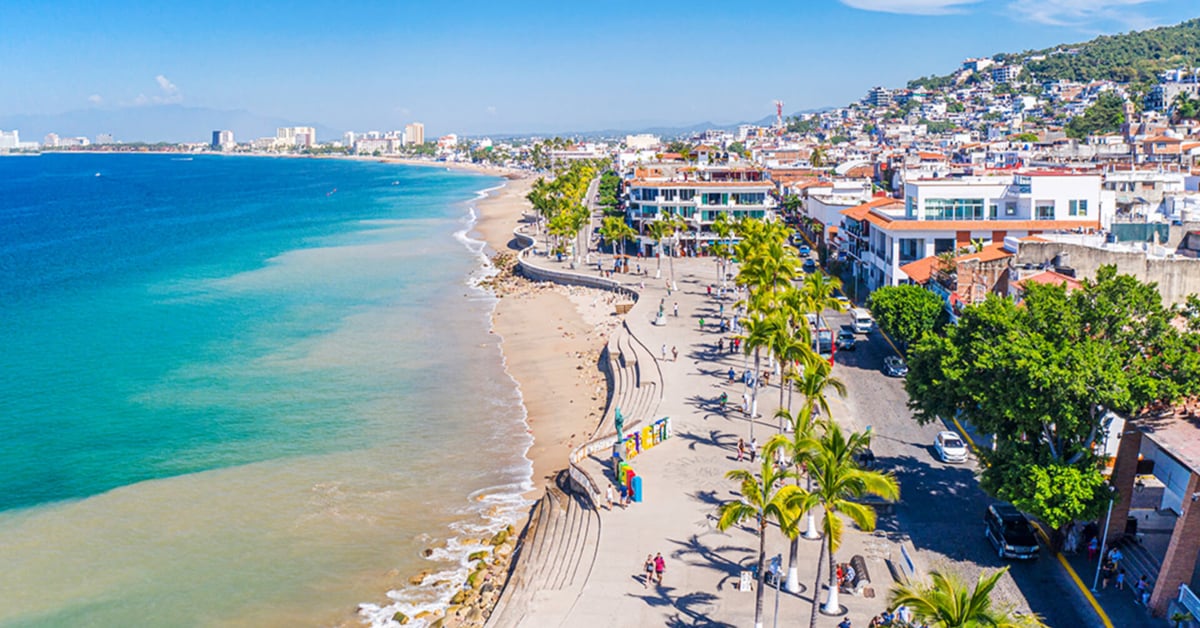
At first glance, Puerto Vallarta’s latest tourism update looks reassuring. One million visitors, high hotel occupancy, and billions of pesos in economic activity suggest the city absorbed February’s violence better than many feared. But those headline numbers only tell part of the story. The destination is still dealing with weaker late-season demand, nervous international travelers, and the harder job of proving that a short security crisis will not define one of Mexico’s most important beach markets.
The numbers look solid, but not untouched
Puerto Vallarta says it welcomed 1 million visitors in January and February. Officials put hotel occupancy at 79% and economic activity at 7.2 billion pesos during the same period.
Those are strong figures for a destination coming off a security shock. They show the city kept moving, hotels stayed open, and the tourism economy did not freeze.
Still, the same figures show a softer start than last year. Visitors were down 5% from the same period in 2025. Estimated visitor spending was down 3.1%. Hotel occupancy was four percentage points lower. The decline was moderate, but it was real.
That spending estimate matters because tourism in Puerto Vallarta reaches beyond hotels. It supports restaurant payrolls, drivers, tour guides, retailers, cleaners, port activity, and many small businesses. When confidence slips, the first signal may show up in bookings, but the pressure spreads across the wider local economy.
Why both versions can be true
At first glance, the data and the public mood seem to clash. Officials are pointing to solid bimonthly numbers. Many tourism businesses, however, describe late February and early March as a real setback.
The reason is timing. Puerto Vallarta’s strongest foreign season runs through winter and into late March. Much of the business counted in the first two months was already booked or already underway before February 22.
That helps explain why Puerto Vallarta can show resilience on paper and still feel bruised on the ground. A city can keep most of its volume and still lose one of the most profitable weeks of the season.
For hotels, tour operators, restaurants, and transport providers, the timing of a disruption matters almost as much as its length. A brief shock at the wrong moment can alter monthly revenue, staffing pressure, and traveler behavior well after streets and services appear normal again.
What changed after February 22
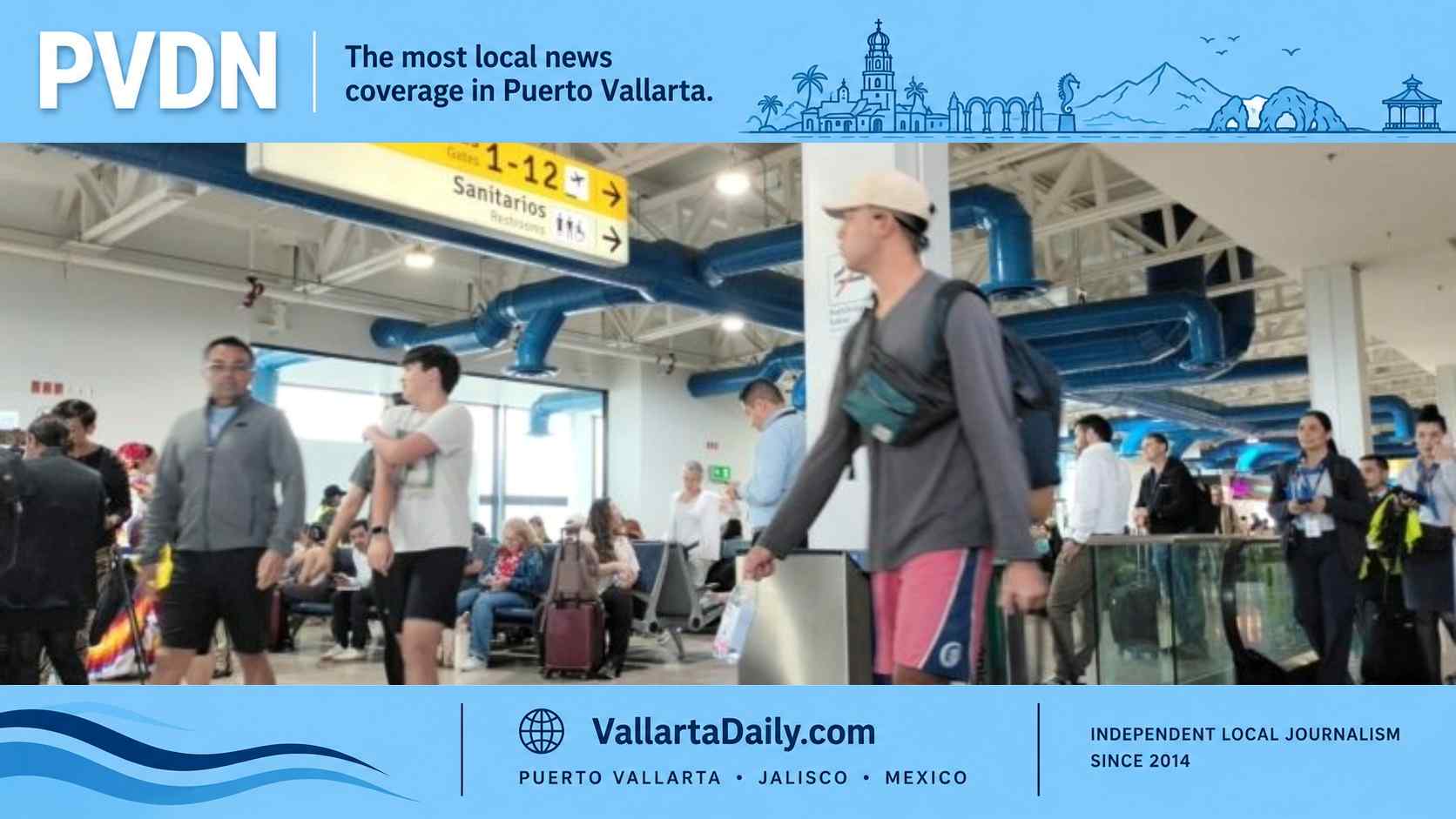
The violence on February 22 became a tourism story because it disrupted movement, not just because it made headlines. Road blockages, security operations, and sudden uncertainty disrupted air service, cruise planning, and short-term booking confidence.
In the immediate fallout, airport-sector figures indicated that more than 300 flights were canceled and about 50,000 travelers were affected. Cruise lines also altered schedules. Some March calls were canceled, even as the port moved back toward normal operations.
Puerto Vallarta loses 30,000 travelers after February cartel violence
That is why officials are now talking less about reopening and more about perception. The airport and the port can resume quickly. Traveler confidence, especially among people booking from abroad, usually returns more slowly.
This is also why the current messaging is more careful than celebratory. Officials are emphasizing that Puerto Vallarta remained functional, but they are also acknowledging that perception abroad became the bigger problem once the immediate disruption passed.
Confidence is now the real recovery metric
Local and state officials are openly framing the next phase around confidence. That is not just public relations language. It reflects how Puerto Vallarta’s visitor economy works.
Jalisco readies for Holy Week rush in Puerto Vallarta
The city depends heavily on foreign demand, especially from the United States and Canada. Domestic travel can cushion a short-term drop, especially around Semana Santa and Pascua. International travelers often react more strongly to security headlines.
They book earlier, watch coverage more closely, and can switch destinations faster. That makes perception especially important in a beach market that relies on winter visitors, repeat travelers, and advance reservations.
Officials also say the direct hit was concentrated in the last week of February, after several strong weeks at the start of the year. They report that air and maritime operations normalized quickly. The destination logged 38 cruise arrivals in the first two months of 2026, up 15% from a year earlier. January was especially strong.
Puerto Vallarta air traffic dips after 141 cancellations in February
Even so, officials have also acknowledged that the recovery will not be immediate. That may be the most important point in this story. Puerto Vallarta is not presenting itself as a city on the verge of collapse. But it is also not pretending that strong topline numbers alone settle the issue.
What to watch next
The next real test is not the press conference. It is the booking curve.
If Semana Santa, Easter travel, and spring cruise activity hold up, officials will have a stronger case. They could then argue that the February disruption was brief, not the start of a broader slowdown.
March was expected to bring 14 cruise calls to Puerto Vallarta. Officials say April should be stronger, despite some cancellations still appearing in the March calendar. That makes the next several weeks important for both numbers and narrative.
For international readers, the takeaway is simple. Puerto Vallarta remains active and operational. But the city is still working through the reputational cost of a security event. It hit at the worst point of the winter season.
The early 2026 numbers bought Puerto Vallarta time. They did not finish the recovery. The bigger question now is whether travelers abroad treat February as an exception and book with confidence again.