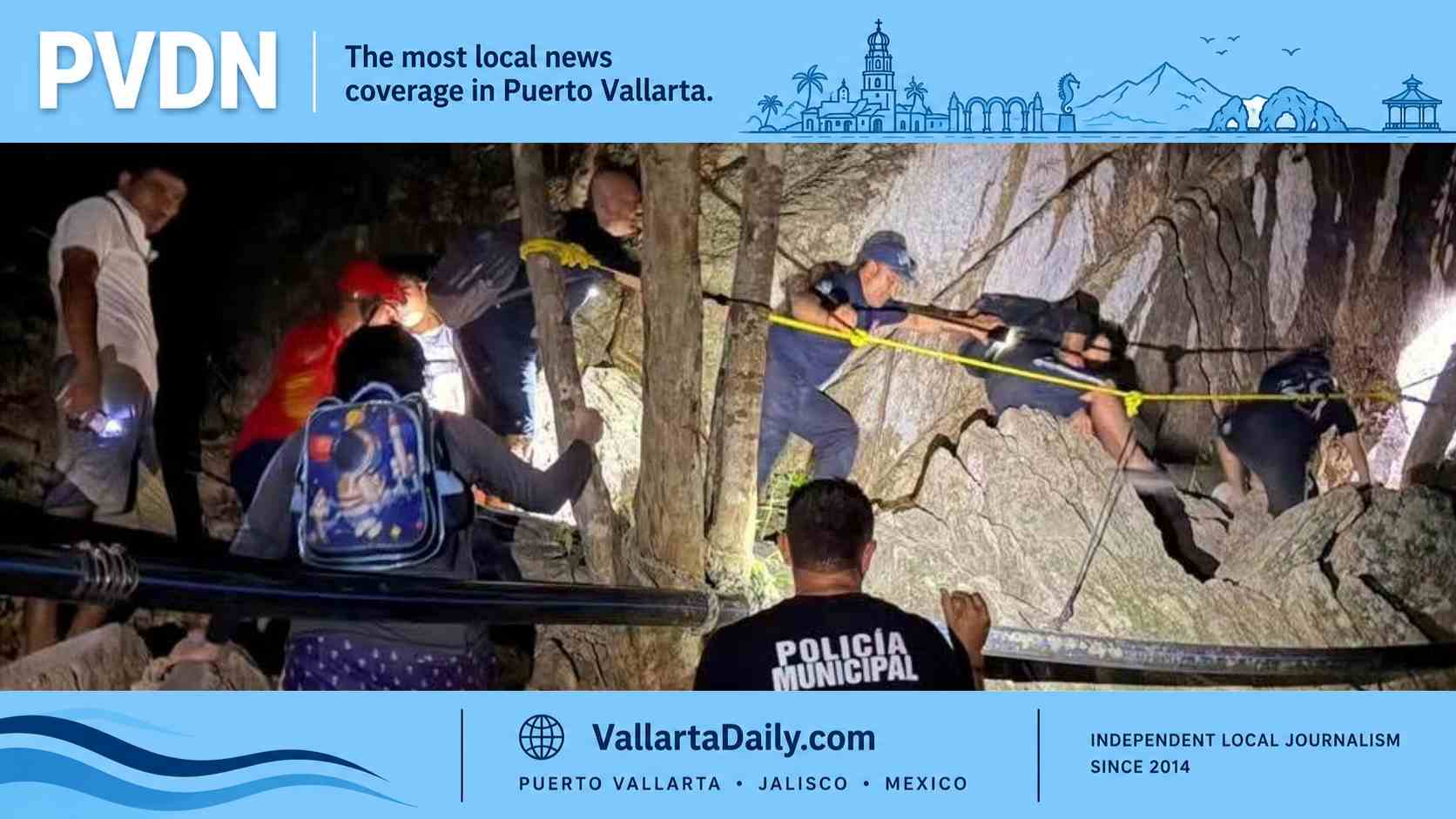
Seven people detained in Puerto Vallarta after a Navy pursuit are now moving deeper into Mexico’s criminal process. Prosecutors say the group was caught with ammunition, tire spikes, radios, and tactical gear, and a judge has now allowed the case to continue. For many foreign readers, the bigger question is what this ruling actually means, and why a tourist city keeps surfacing in cartel investigations. This case offers both a legal update and a clearer look at that wider picture.
What the court decided
A federal judge has moved forward with the case against seven alleged members of the CJNG who were arrested in Puerto Vallarta. Prosecutors say the defendants were linked to crimes involving the carrying of a firearm and the possession of ammunition reserved for the armed forces. The court also applied the aggravating factor of acting as a group. One defendant, identified as Edwin “N”, also faces a separate firearm count. The judge ordered pretrial detention and gave prosecutors two months to continue the complementary investigation.
That ruling matters because, in Mexico, a vinculación a proceso is not a conviction. It means a judge found sufficient preliminary evidence for the criminal case to move forward. The defendants are still presumed innocent unless they are later convicted in court. For international readers, the simplest way to understand it is this: the case has cleared an early judicial threshold, but it is far from over.
What authorities say was found in Puerto Vallarta
According to the case file described by federal authorities, the arrests followed a patrol by the Mexican Navy in the Las Peñas area of Puerto Vallarta. Officers reported seeing an armed person, which led to a pursuit. Authorities say they then detained seven people and seized a firearm, a magazine, 171 live rounds, tire spikes, tactical gear, two radios, a knife, vehicle plates, and other objects. Officials also reported caps marked with the initials CJNG.
Navy arrests eight hitmen and seizes arsenal in Puerto Vallarta
Those details help explain why the case was pushed into federal court. In Mexico, accusations involving weapons and ammunition reserved for military use are handled as serious federal crimes. The presence of tactical gear, communications equipment, and tire spikes also suggests investigators are looking beyond simple possession. Prosecutors will now try to show whether the materials were tied to a larger criminal role, or whether the defendants were simply in possession of them when they were stopped.
What vinculación a proceso means in plain English
For readers outside Mexico, vinculación a proceso can be confusing because it does not map neatly onto one single term in the United States or Canada. It is closer to a judge formally allowing a criminal case to proceed after reviewing the initial evidence. The court is not deciding guilt at this stage. It is deciding whether prosecutors have shown enough to justify continuing the case under judicial supervision.
That is why the two-month investigation window matters. During that period, prosecutors and defense lawyers can gather more evidence, challenge the existing case, and prepare for the next phase. If the prosecution weakens, charges can still fall apart later. If the evidence grows stronger, the case moves closer to trial. So while the headline sounds decisive, the legal reality is more measured.
Why this matters in Puerto Vallarta
For many people abroad, Puerto Vallarta is known first as a beach destination and retirement hub. Cases like this are a reminder that tourist cities can also serve other purposes for organized crime. They can be used as places to hide, regroup, move money, or blend into a busy local economy. That does not mean daily life in Puerto Vallarta mirrors conditions in Mexico’s hardest-hit conflict zones. It does mean the city is not insulated from the country’s wider security struggles.
While not a hotbed of violence, Puerto Vallarta keeps getting pulled into cartel wars
This case also fits into the fallout from the violence that shook parts of Jalisco on February 22. Federal patrols increased after that unrest, and the earlier operation in Puerto Vallarta was presented as part of that broader response. In that sense, the new court action is not a standalone event. It is one more step in the government’s effort to turn late-February arrests into prosecutable cases.
What comes next
The next stage is less dramatic, but it may be more important. Prosecutors must now use the complementary investigation period to strengthen the case through forensic work, witness testimony, chain-of-custody records, and any digital or intelligence evidence tied to the seized items. The defense, meanwhile, will look for weaknesses in the arrest, the search, and the prosecution’s theory of the case.
For readers following security news in Mexico, the main takeaway is simple. The story has now moved from the street level to the courtroom. That does not answer every question about who these defendants are, what role they allegedly played, or whether the government can prove its claims. But it does show that the Puerto Vallarta arrests were serious enough for a judge to keep the case alive.
How CJNG hid real estate fraud in Puerto Vallarta behind legal businesses