Puerto Vallarta is moving through its pre-rainy season cleanup of rivers, streams, and canals, with officials saying the work is 45% complete. The project targets places where flooding and overflow have caused problems in past storms. Crews are clearing debris, reshaping banks, and restoring water flow before heavier rains arrive. The work also comes as the city prepares for the Pacific cyclone season, which could bring more rain-related pressure on neighborhoods, roads, and low-lying areas.
Puerto Vallarta reports 45% progress on river and canal clearing before rainy season
Puerto Vallarta says its river, stream, and canal clearing program is 45% complete as the city prepares for the 2026 rainy season.
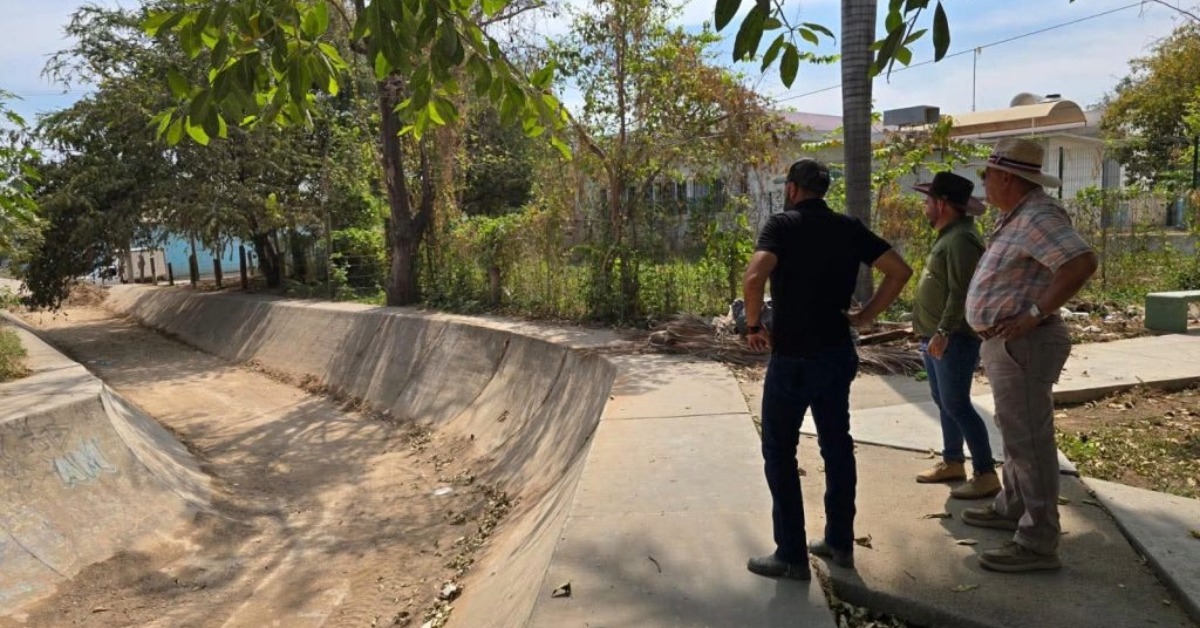
The work began on March 17 and is scheduled to continue through June 30. Municipal officials said crews and machinery will remain available during the rainy season in case emergency work is needed.
The program focuses on desazolve, or the removal of sediment, trash, and vegetation that can reduce water flow. Crews are also reshaping slopes and clearing vegetation in areas where blocked channels can increase the risk of flooding.
Work targets known flood areas
Officials said the city is using past flood reports and risk assessments to decide where crews are sent first. The work is being coordinated with Civil Protection and other municipal departments.
Priority areas include Avenida Las Palmas, canals in Las Juntas, Senderos de Luna, La Floresta, Arroyo de la Virgen, Arroyo Contentillo, Arroyo Vena Santa María in Delfines, the old Pitillal River channel, and Arroyo Luis Donaldo Colosio near the bypass.
Other work has focused on Tamarindos, Mojoneras, and urban runoff points that collect large volumes of water during storms.
The goal is to restore the hydraulic capacity of the city’s waterways before heavier rains arrive. When channels are blocked by sediment or trash, rainwater can drain into streets, homes, and businesses more quickly.
City prepares for a difficult season
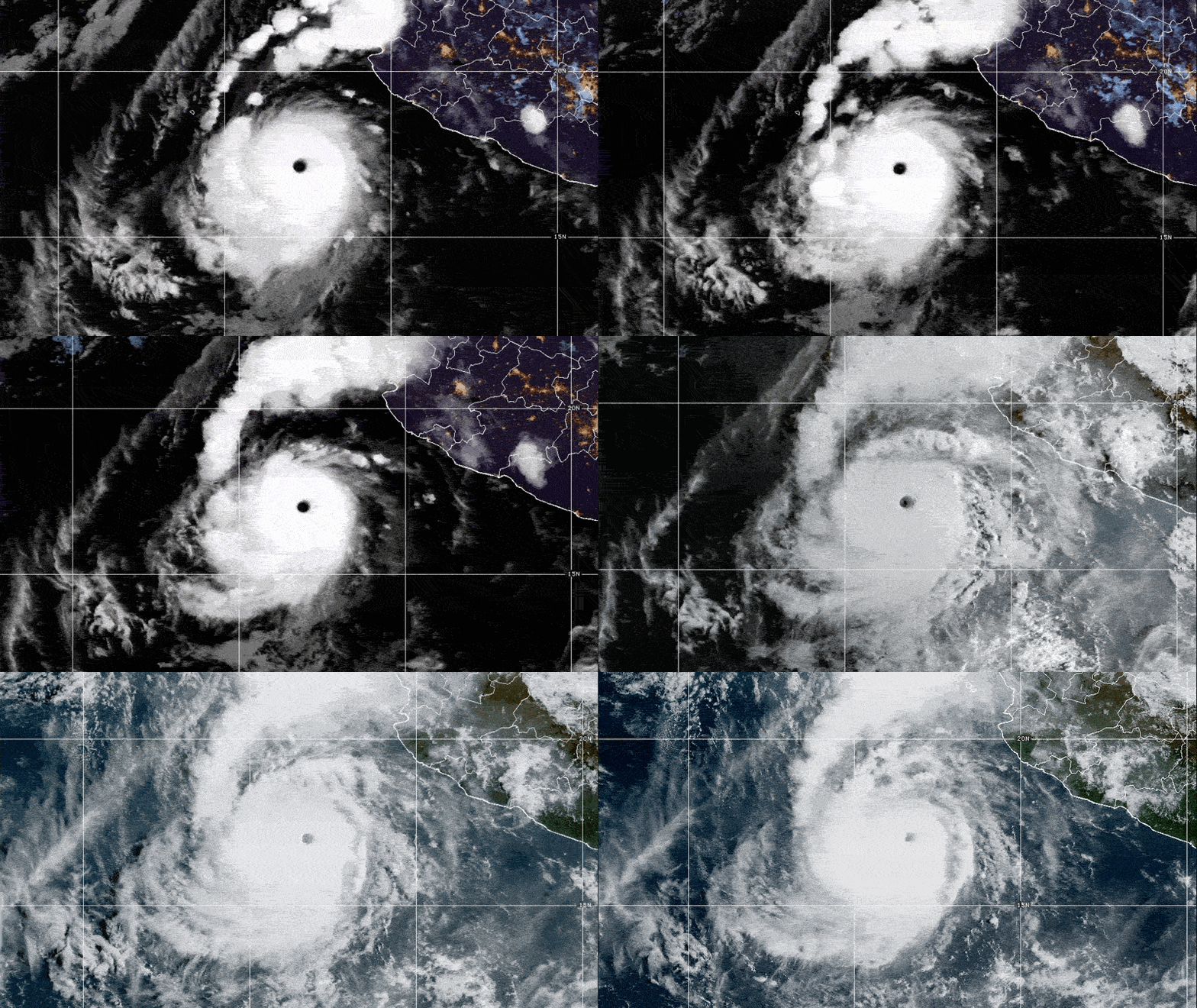
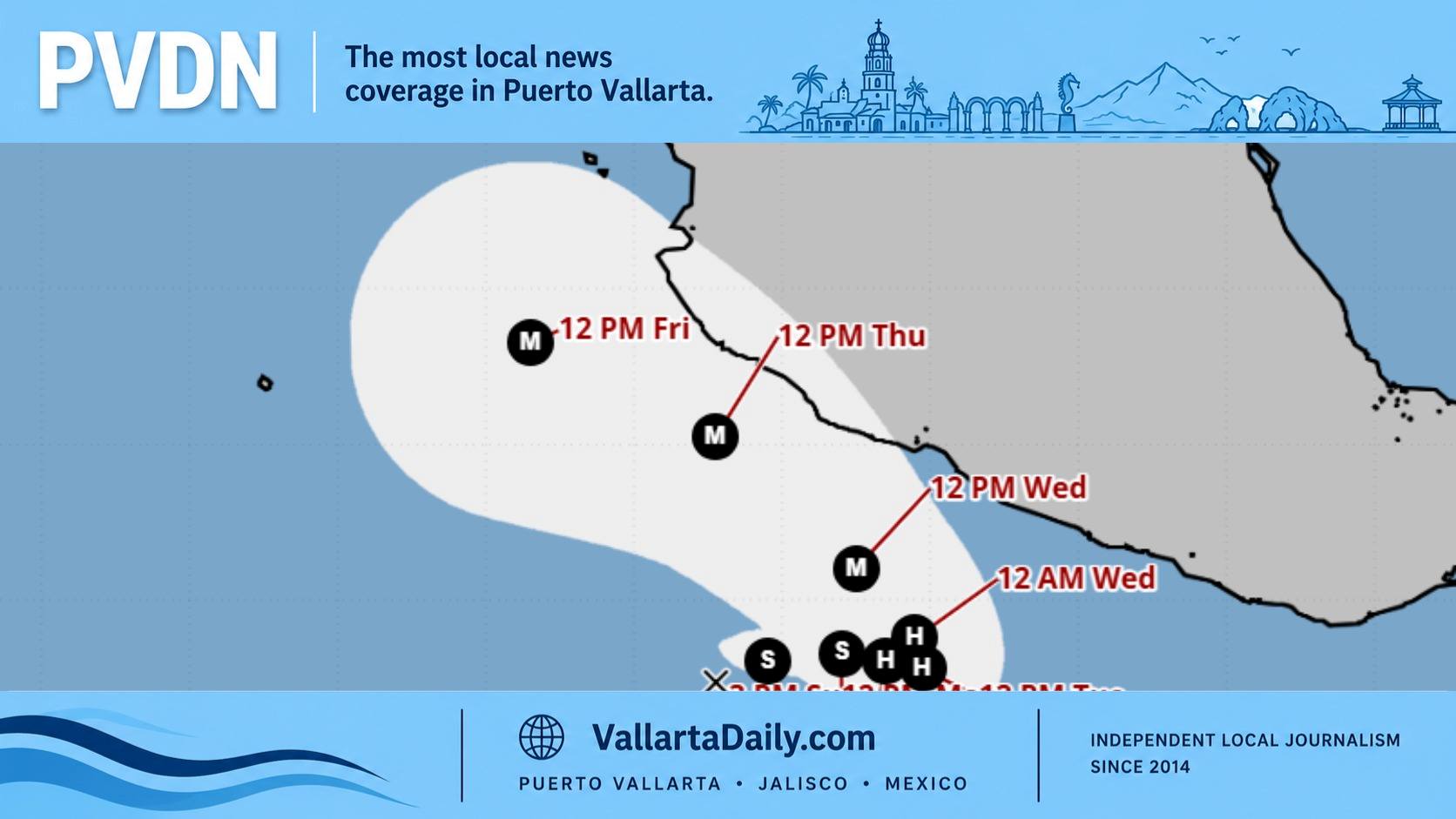
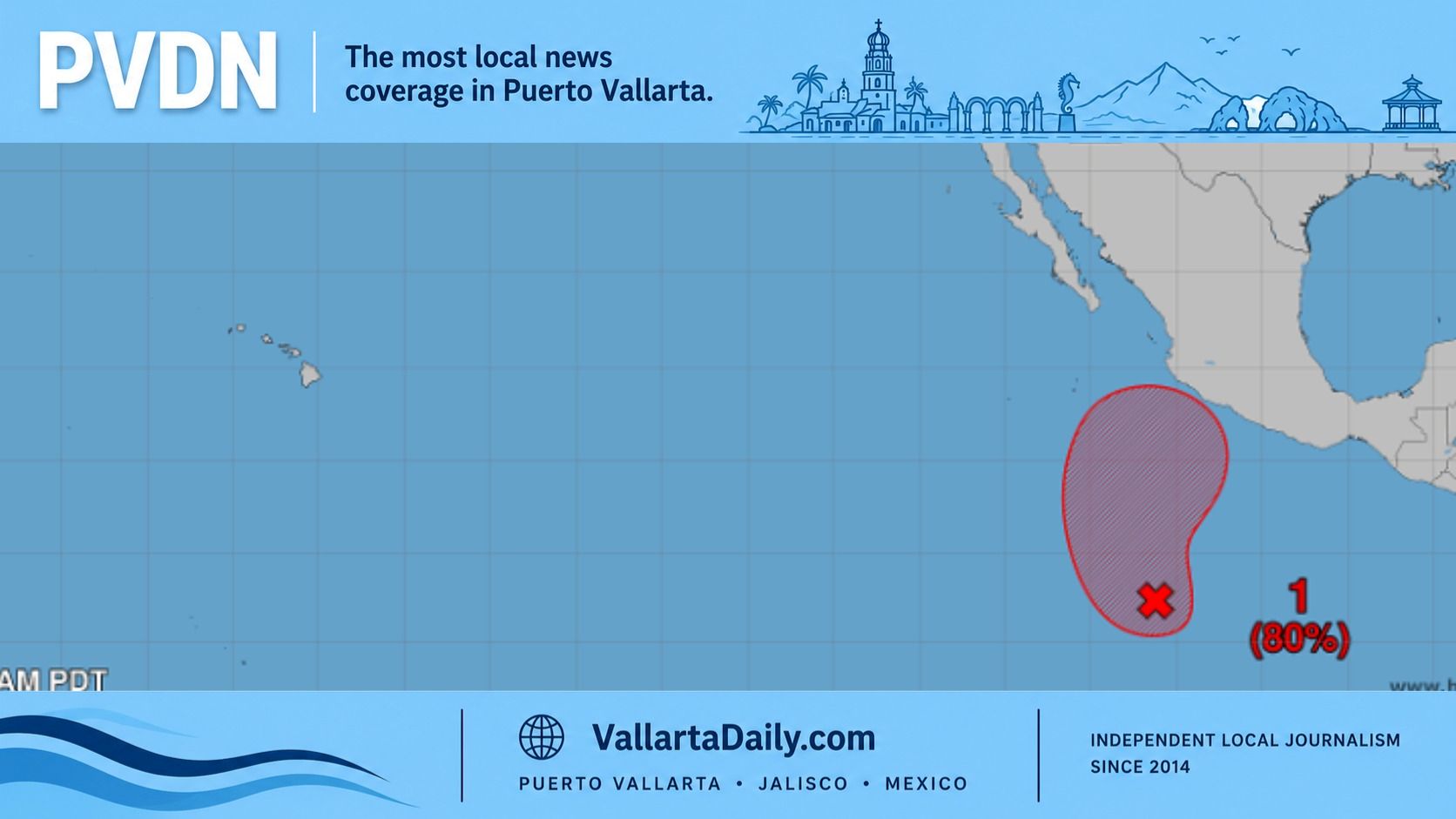
The cleanup comes as Puerto Vallarta prepares for the eastern Pacific cyclone season, which officially begins May 15 and runs through November 30.
Forecasts for the Pacific call for 18 to 21 tropical systems this year. Some may stay far from land, but even offshore storms can bring heavy rain, strong surf, and swollen rivers to coastal areas.
Municipal officials have also installed the city’s Civil Protection Council for the season. The council is meant to coordinate storm prevention, emergency response, shelters, and communication among agencies.
Puerto Vallarta has identified 12 areas where rivers, streams, or canals may overflow. It has also identified 26 recurring flood points on city streets.
Those points include areas near Las Juntas, Bobadilla, Paso del Guayabo, La Floresta, Avenida Medina Ascencio, Politécnico, the entrance to CUCosta, and parts of the Las Palmas-Ixtapa corridor.
Flood prevention depends on more than machinery
The clearing work can reduce risk, but officials have also pointed to public behavior as part of the problem. Trash in canals, storm drains, and streambeds can block water flow during heavy rain.
Residents in some neighborhoods have already raised concerns about garbage in drainage channels before the season begins. Plastic bags, branches, and other debris can become barriers as runoff increases.
Flooding has been a recurring issue in Puerto Vallarta during intense storms. Local risk reviews have identified several major flood events in 2025, with more than 1,100 homes affected.
For people living near rivers, canals, low streets, or hillside runoff areas, the early weeks of the season are a good time to check drains, secure outdoor items, and keep documents in a safe place.
Drivers should also avoid crossing flooded streets. Water can hide broken pavement, open drains, or stronger currents than expected.
What residents should watch next
The city expects the main clearing work to continue through the end of June. That timeline means some areas may still be under maintenance after the rainy season has started.
Officials have said the work is preventive, not a guarantee that flooding will not happen. Heavy rainfall can overwhelm streets and channels, especially when storms move slowly or drop large amounts of rain in a short period.
The practical step for residents is to follow local Civil Protection updates, beach warnings, and storm advisories during the season. This is especially useful for foreign residents who may not be used to the speed at which tropical weather can change on Mexico’s Pacific coast.