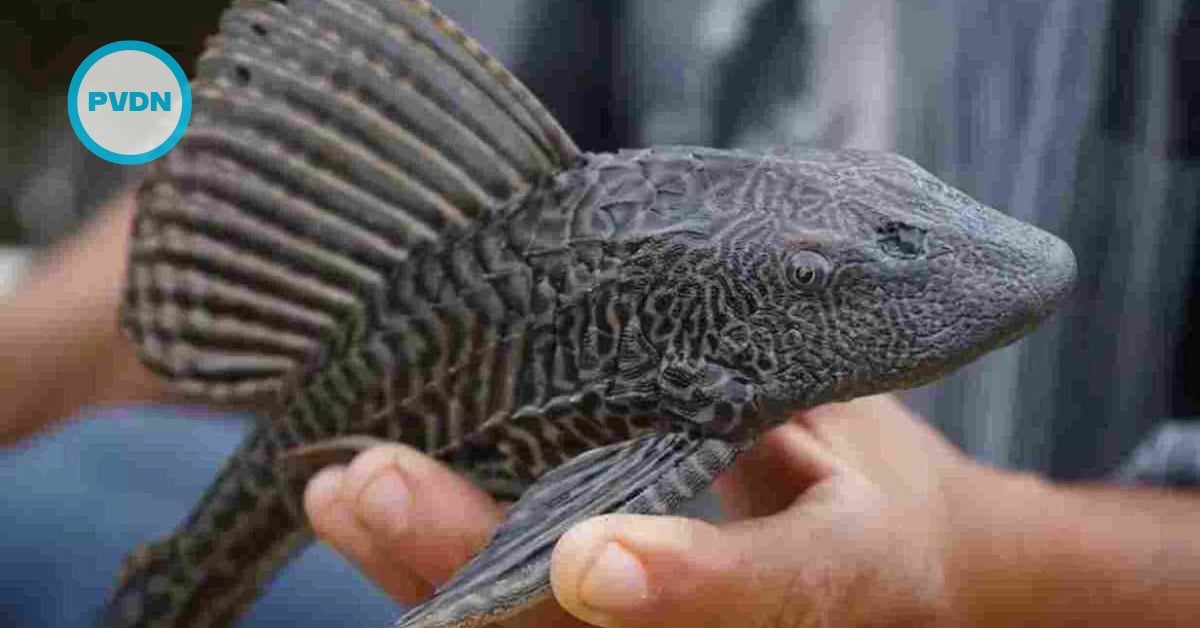
The Quintana Roo devilfish is no longer just a worrying headline from other states. It is now breeding inside Chetumal Bay, the shallow, green water that doubles as both a tourism postcard and a manatee sanctuary. The director of the state’s biodiversity institute, IBANQROO, Javier Carballar, confirmed that the invasive catfish, known locally as pez diablo, has gone from isolated captures to an established population with active reproduction in the bay, a body of water that has no natural predators for this species.
This is not the first alarm. Earlier this year, researchers from El Colegio de la Frontera Sur (Ecosur) reported a “considerable” presence of devil fish in Chetumal Bay and the capture of several specimens in nearby Bacalar Lagoon. They warned that the invader could move north through Quintana Roo’s freshwater network if left unchecked. In July, authorities and local communities went a step further, forming a dedicated working group in the south of the state to track the species and coordinate a response across agencies, ejidos, NGOs, and fishing cooperatives.
Behind the scary nickname is a tough, bottom-dwelling catfish from South America, usually a member of the genus Pterygoplichthys. It arrived in Mexico through the aquarium trade and farm escapes, and then spread through major river systems. A national guide on devilfish in Mexico describes how these “plecos” thrive in warm waters, tolerate low oxygen, and even gulp air to survive for many hours out of the water, giving them a huge advantage over native species.
Why the Quintana Roo devilfish worries scientists
For biologists, the problem is not just that the fish is new. It is how it behaves. Devilfish dig tunnels into soft banks to build their nests, chewing through sediment and roots. Over time, that constant burrowing can erode shorelines, undercut docks and walkways, and loosen mangrove edges that hold the coast together.
Their appetite also reshapes the bay. The species scrapes algae and organic matter off the bottom, stirring up fine sediments. That can cloud normally clear water, stress aquatic plants, and make life harder for native fish that rely on sight to feed and avoid predators. In places like Chetumal Bay and nearby Bacalar, where the water’s visual appeal supports tours, hotels, and restaurants, murkier conditions are not a minor detail; they are a direct hit to livelihoods.
Then comes reproduction. Studies in Mexico and other countries show that each female can produce hundreds, sometimes thousands, of eggs per spawning season. Males defend the nests aggressively and guard the young, which boosts survival rates. Combined with a lack of predators in their new home, that means populations can explode in just a few years, crowding out native fish such as mojarras and robalos that families in the region have depended on for generations.
The warning signs are already visible in the catch. In July, authorities reported that around 500 devil fish were captured in just 48 hours in Ramonal, in the municipality of Othón P. Blanco, as part of an intensive collection effort tied to monitoring in the bay and nearby communities. That kind of number, so early in the invasion, suggests that Chetumal and Bacalar are not dealing with a handful of stray aquarium releases, but with a population that has found ideal conditions.
On top of that, the ghost of other Mexican rivers hangs over Quintana Roo. In parts of Veracruz and Tabasco, devil fish have become a large share of the freshwater catch, sometimes overwhelming nets and pushing out higher-value species. Fishers there complain of damaged gear and full buckets of catfish no one wants to buy. Local leaders in Quintana Roo’s south are keenly aware of that story and are trying not to repeat it at their own docks.
From monitoring to menus what happens next
Faced with this reality, IBANQROO is moving on several fronts at once. Carballar told local media that the institute has activated joint monitoring with universities, NGOs, and fishers to map where the devil fish is already established and where it is only beginning to appear. The working group, created in July, brings together Ecosur scientists, municipal governments, community organizations, and federal agencies to share data and agree on control actions, from targeted fishing to patrols in sensitive areas such as the Manatee Sanctuary.
One of the more controversial ideas on the table is to turn the invader into food. Carballar has floated human consumption as a potential control measure, echoing how lionfish went from menace to menu item in parts of the Caribbean. Researchers in other Mexican states have already tested this path, producing fillets, fish flour, and even snacks from devil fish, as described in an Ecosur project on using devilfish for control.
That approach is not as simple as rebranding an ugly fish. Scientists insist that any push to serve devil fish must come with serious testing for heavy metals and agrochemical residues, especially in regions with oil activity or intensive agriculture upstream. Filleting and processing also require training, because the bony plates and sharp spines can easily injure fishers and kitchen staff. Still, if the safety pieces fall into place, adding the species to local menus could at least turn part of a threat into income for the same communities asked to remove it from the water.
Alongside that debate, more traditional tools are already rolling out. IBANQROO and partner agencies are planning and running capture campaigns, community workshops, and school visits in villages around the bay and lagoon. The message is simple: report any sighting, do not release aquarium fish into natural waterways, and do not dump pets or unwanted animals in the mangroves or riverbanks. That last point might seem unrelated, but the devilfish case has become a convenient example of how well-meaning actions can go wrong when a species escapes into the wild.
No one involved pretends the Quintana Roo devilfish can be erased from Chetumal Bay. Experience from other regions shows that once this catfish settles in, the goal shifts from eradication to control. What authorities and communities still have a chance to decide is how much space the invader will take from native species, from traditional fishing, and from the clear-water image that keeps visitors coming back. The answer will depend on whether monitoring, fishing campaigns, education, and, possibly, carefully managed consumption can move faster than a fish that never should have been there in the first place.