Officials in Quintana Roo say the Quintana Roo sargassum season ended with roughly 84–85 thousand tons collected—nowhere near the nightmare many expected back in June, when satellite watchers warned of a record-sized belt at sea. What happened between prediction and reality matters for beach towns that live off tourism. Warmer waters still fed the bloom, but shifting currents and more interception at sea blunted its punch onshore. The question now is whether 2025 was a lucky break or a template to keep beaches open without masking the long-term problem.
Quintana Roo sargassum season ends
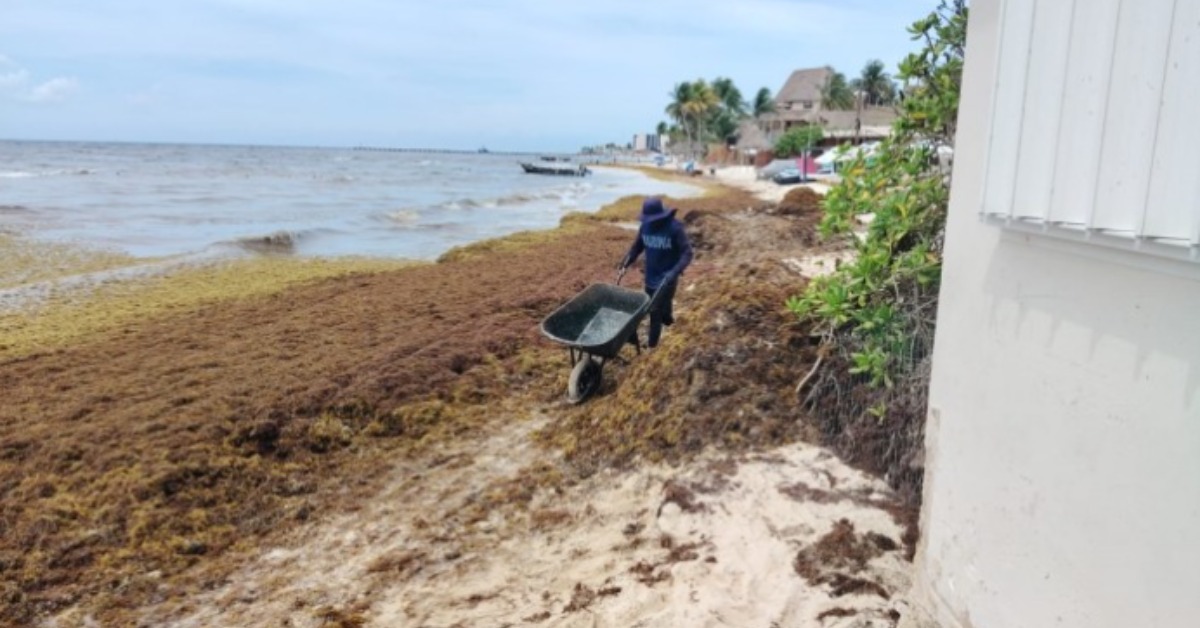
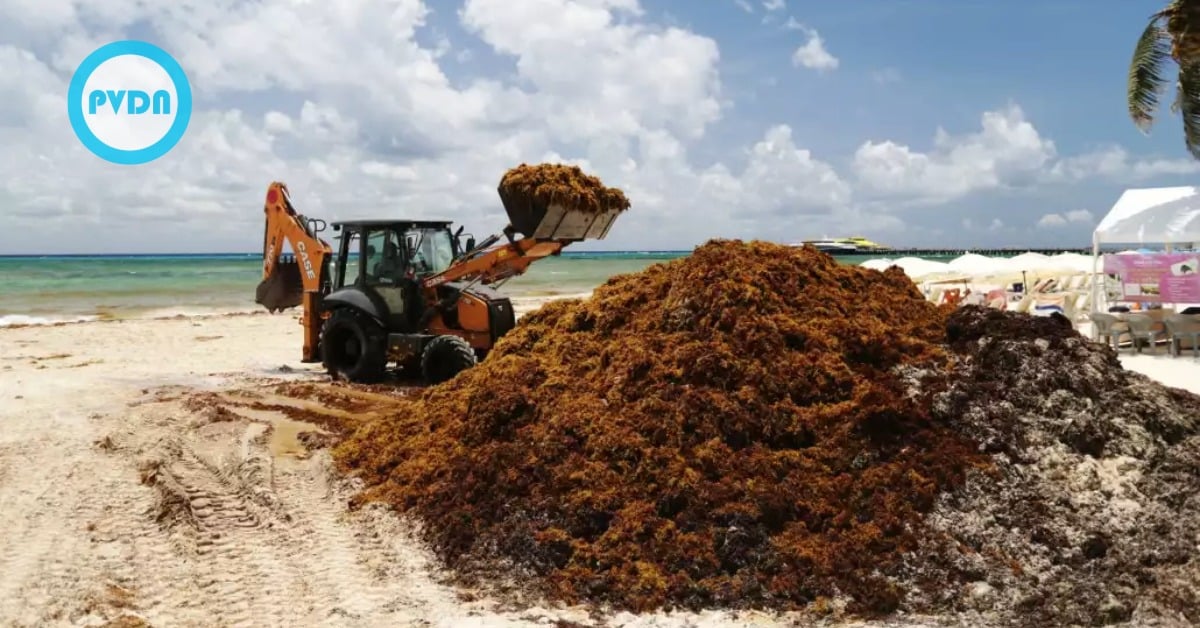
Quintana Roo closed its 2025 sargassum season with authorities reporting roughly 84,000 to 85,000 tons collected along state beaches, a far more negligible on-shore impact than early forecasts suggested. The figure, confirmed this week by state announcements and local press, marks the season’s practical end even as the calendar typically closes with the first cold fronts in late fall.
Back in June, researchers tracking the Atlantic’s Great Sargassum Belt warned of an extraordinary biomass—tens of millions of tons circulating at sea—and raised the specter of a repeat or worse of 2018. That year, Mexico saw about 522,000 tons reach its beaches, a touchstone for the crisis. Those ocean-scale signals were real in 2025, but the feared shoreline disaster didn’t land in the same way in Quintana Roo.
What blunted the season onshore
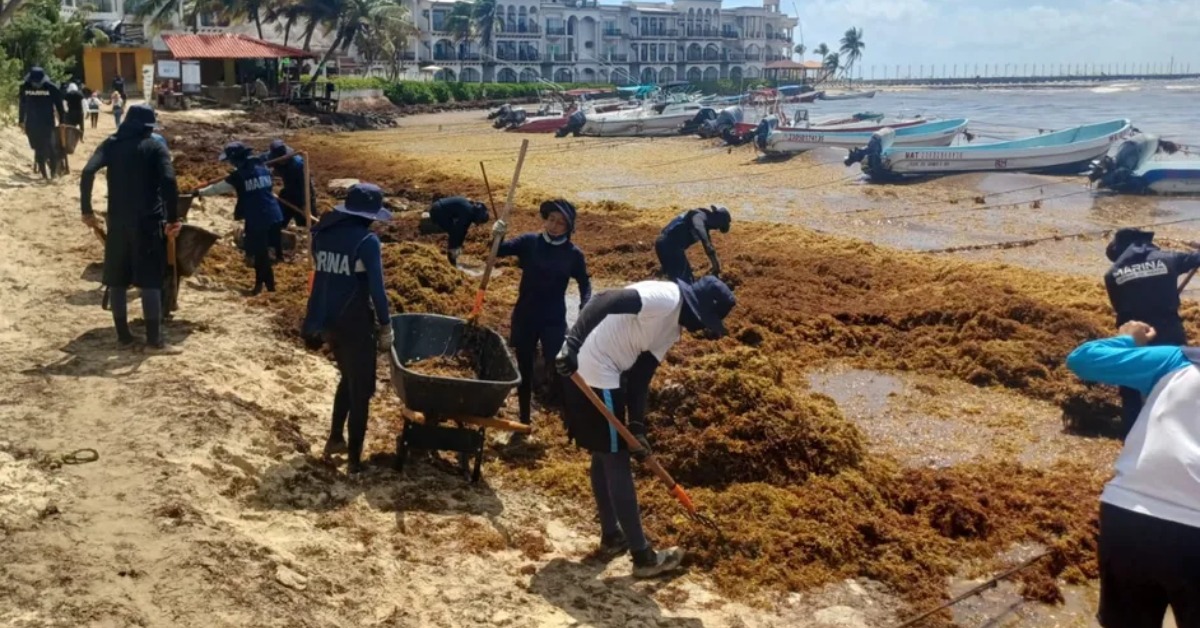
Officials attribute the decline to a combination of ocean and seasonal conditions, as well as increased interception at sea. The Mexican Navy’s Operation Sargazo deployed roughly 7.5 to 9.6 kilometers of floating barriers, specialized “sargacera” vessels, and support boats along key stretches, aiming to corral patches before they rotted on the sand. While barrier lines can’t stop every landfall, they helped steer part of the biomass away from crowded beaches this year, especially around Tulum, Playa del Carmen, and Mahahual.
It also matters that forecasts discuss biomass at sea, rather than guaranteed landings on any single coast. Wind, currents, and storm timing can shift mats away from tourist zones or scatter them along less-visited shore. In 2025, several windows broke in favor of the shoreline, softening the blow even as the broader Atlantic belt swelled to unprecedented scale in some estimates. That mismatch—huge signal offshore, smaller haul onshore—is a reminder of how dynamic this phenomenon is.
Context that keeps beach towns cautious
The relief is real for hotels and workers who have spent summers racing the stink and stains of decomposing weed. But the structural pressures haven’t gone away. Warmer seas and nutrient-rich runoff continue to fuel the belt that feeds the Caribbean; early-season red alerts in parts of Quintana Roo showed how quickly conditions can flip. And even when the state’s yearly total is moderate, cleanup costs and labor demands pile up for municipalities trying to keep waterfronts open.
If 2018 remains the benchmark for a worst-case shoreline season, 2025 looks like a case study in mitigation and luck: more gear offshore, better coordination, and currents that cooperated. The policy challenge is staying ready for the year when they don’t—scaling interception, investing in safe uses for biomass, and keeping an honest scorecard on what actually reaches the sand versus what floats by at sea.