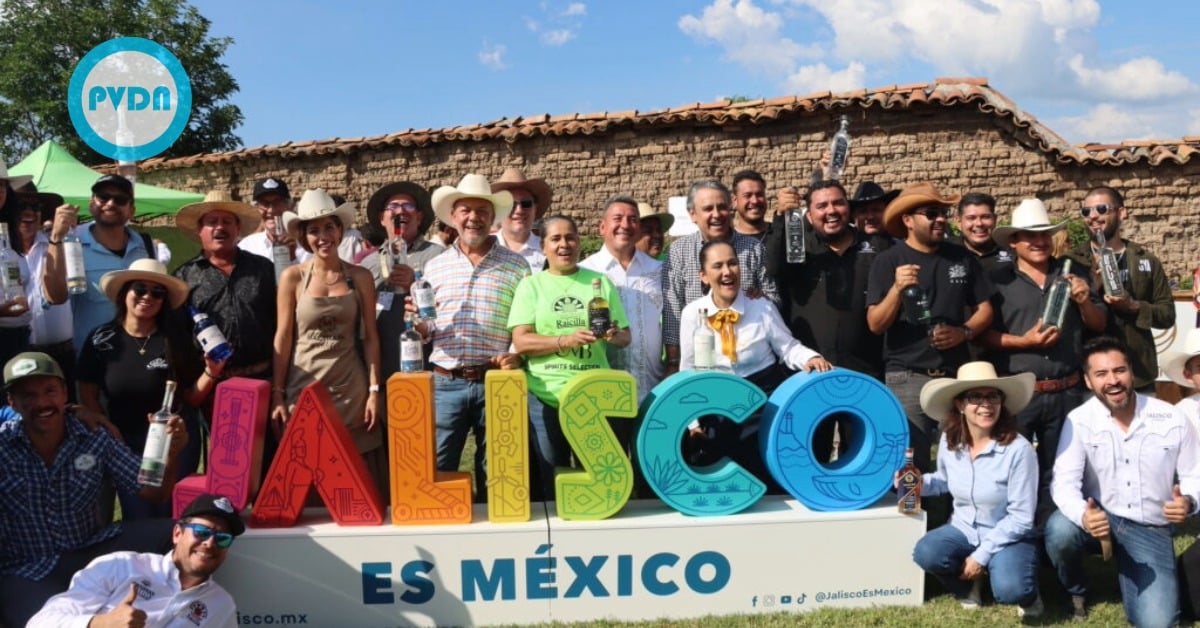
On Friday, visiting judges didn’t just taste raicilla. They picked up a coa, walked the rows, and watched rustic stills at work in Atenguillo. The field day at Hacienda de Ahuacatepec was part classroom, part community visit, and the goal was simple: let decision-makers see why this drink matters to families here. With the Spirits Selection by Concours Mondial de Bruxelles based in Jalisco this week, the Raicilla Route Jalisco used the spotlight to link culture, landscapes, and small producers to the glass.
Raicilla had a rare moment in the global tasting spotlight this week. Judges from dozens of countries came to Jalisco for the 2025 Spirits Selection by Concours Mondial de Bruxelles, which ran events across the state. Organizers scheduled a hands-on stop in the mountains to show how the drink is made, not just how it tastes.
Raicilla Route Jalisco
The workshop took place at Hacienda de Ahuacatepec in Atenguillo, a historic property that today serves rural tourism groups and farm visits. Producers walked guests through agave varieties in the field, the harvest, and small-batch distillation. It was a neighborly, open-door day meant to build understanding, not just headlines.
Local coverage confirms the scale. State tourism organized the visit for about 150 judges from 42 countries, timed to the 27th edition of the competition. For a category that often needs an introduction outside Mexico, those are the right eyes and ears.
Why this visit matters
Raicilla is a protected designation of origin, recognized in 2019. That status ties the spirit to specific valleys and coastal ranges, and to agave species that grow there. When buyers and critics see the places and the people, the label on the bottle carries more meaning.
The denomination covers 16 municipalities in Jalisco and one in Nayarit. That mix of Sierra and coast gives the drink a wide range of styles. It also spreads tourism income across small towns, where tabernas still cook, ferment, and distill by hand.
Who was in the room
Competition leaders and Jalisco tourism officials joined producers for the Atenguillo program. The format was practical: short talks, field walks, and time with taberna crews. Judges also learned the story behind the hacienda, which locals note is centuries old and part of the area’s heritage.
For many guests, this was their first look at agave maximiliana and other species used in the sierra. Seeing both the plant and the still helps explain why raicilla is not tequila, and why small process choices matter in the glass.
What the route includes
The Raicilla Route Jalisco links working tabernas with three Pueblo Mágico towns: Mascota, Talpa de Allende, and San Sebastián del Oeste. It also pushes out to places visitors already know, like Puerto Vallarta and Cabo Corrientes. The route blends tastings with hikes, pilgrim trails, and old mining streets, which keeps the experience grounded in daily life.
That balance is the draw for residents, too. When the route brings in steady visitors, it supports small farms, drivers, kitchens, and guides. The event in Atenguillo used the global competition to make that point up close.
The bigger picture for raicilla
Recent data from Jalisco’s statistics institute shows why the category feels new to many readers. More than half of the producing companies were formed after 2016, and exports surged in the early 2020s. The United States led demand, though bottles also reached Europe and Australia. Growth has been uneven year to year, but the trend is clear.
The competition’s schedule added momentum. The 2025 edition and its side visits ran September 7–13 in Jalisco, with activity in Guadalajara and coastal corridors. Hosting brings attention, but it also sets a bar. Producers here want judges to remember the fields and the faces when they see a raicilla on a shelf back home.
What it means for local tourism
For towns on the route, a good visit is simple. People arrive, meet families who bring the spirit to life, spend a little time and money, and leave with a story to share. If even a slice of the judging panel becomes a regular advocate, that can help keep the lights on for small tabernas and trail guides through the off-season.
Back in Atenguillo, the day ended the way it started: with neighbors showing their work. It was not fancy, and that was the point. The pitch was honest and local. Taste this, meet the people who made it, and see where it comes from. That is how trust is built.