Guanajuato will use Tianguis Turístico 2026 to promote San Miguel de Allende and a broader lineup of destinations across the state, with tourism officials focusing on routes, gastronomy, wine, wellness, culture, and regional travel experiences.
The state’s tourism office said its participation will focus on 13 municipalities, including San Miguel de Allende, the capital of Guanajuato, León, Dolores Hidalgo, Celaya, Irapuato, Comonfort, Yuriria, and other communities. The goal is to present Guanajuato as more than a single-city destination.
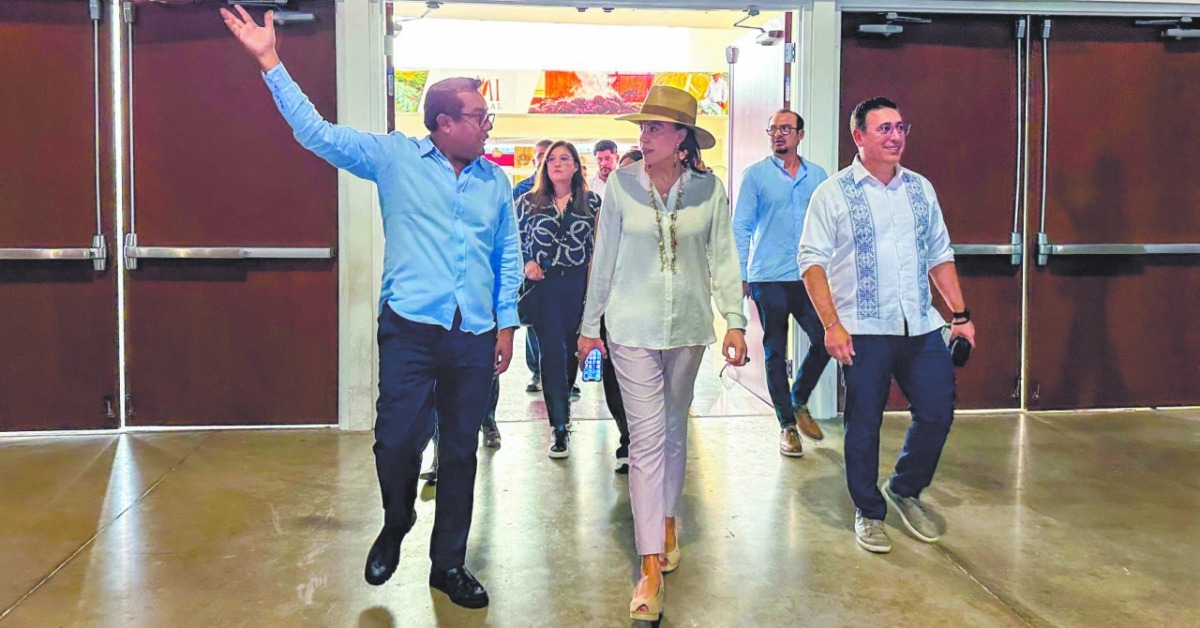
Tianguis Turístico will take place from April 27 to 30 at Expo Mundo Imperial in Acapulco. The event is considered Mexico’s main tourism business forum, where states, hotels, tour operators, travel buyers, and destination officials meet to sell and package travel products.
For San Miguel, the timing matters. The city already has a strong international profile, a large foreign-resident community, and a steady flow of weekend and destination-wedding visitors. Guanajuato’s new pitch appears aimed at using that visibility to support more regional travel.
Why San Miguel is part of the strategy
San Miguel de Allende remains one of Guanajuato’s best-known tourism names. Its historic center, hotels, restaurants, galleries, weddings, and nearby vineyards give the state a ready-made anchor for international and domestic visitors.
But the state’s message at Tianguis goes beyond San Miguel alone. Tourism officials are trying to connect established destinations with smaller towns, food producers, wine projects, artisans, and cultural routes. That approach can help visitors build fuller itineraries instead of limiting their stay to one city.
For foreign residents, this may show up in practical ways. More promoted routes can mean more tours, new weekend packages, stronger attention to local food and wine, and more regional events marketed in English or through travel agencies.
It can also mean more visitors. That brings business for hotels, restaurants, guides, and shops. It can also bring more pressure on traffic, prices, and public services, especially in places such as San Miguel, where tourism and daily life already share the same streets.
Food, wine and wellness move to the front
Guanajuato’s Tianguis plan includes new tourism routes, its Guanajuato ¡Sí Sabe! gastronomic season and the 2026 vendimias, or wine harvest events. The state also plans to promote community tourism, social tourism, romance travel, meetings, culture, and wellness.
That mix reflects a larger shift in Mexican tourism. Destinations are no longer selling only beaches, hotels, or colonial centers. They are packaging experiences that can be booked, sold, and repeated through travel agencies and online platforms.
For San Miguel, wine tourism is especially important. The city sits near vineyards that have become part of its visitor economy. Wine tastings, vineyard lunches, boutique hotels, and weekend events now help extend tourism beyond the historic center.
Gastronomy is also a major part of the pitch. Food gives smaller communities a way to enter the tourism economy without needing large hotels or major infrastructure. Traditional cooks, local markets, craft beverages, and regional dishes can become reasons for travelers to stop, spend, and stay longer.
What Tianguis means for tourism business
Tianguis Turístico is not mainly a public travel fair. It is a business event. The value comes from meetings between destinations and buyers who can turn local experiences into travel products.
That is why Guanajuato is emphasizing “ready-to-sell” experiences. A route, wine event, or food experience has more value at Tianguis when it can be packaged with transportation, lodging, a clear schedule, and a price.
This matters for places such as San Miguel because the city already attracts travelers who may be open to exploring more of the Bajío region. If buyers see Guanajuato as an easy multi-stop destination, San Miguel can become part of longer itineraries that include vineyards, historic towns, and cultural events.
The state is also promoting its tourism identity through live demonstrations, traditional foods, tastings, and artisan experiences. These presentations are meant to give buyers a clearer sense of what visitors can experience on the ground.
A wider tourism map for Guanajuato
Guanajuato’s participation includes municipalities at different stages of tourism development. Some already have strong name recognition. Others are trying to build a clearer place in the visitor economy.
That regional approach can help spread tourism spending. It can also reduce pressure on the best-known destinations if visitors are encouraged to visit more towns instead of concentrating only in San Miguel, Guanajuato, or León.
The challenge is execution. Tourism routes work best when roads, signage, booking systems, safety, transportation, and trained operators are aligned. Without that, a route may sound appealing on paper but remain difficult for visitors to use.
For residents, the question is whether tourism growth will be managed to support local communities. More visitors can help businesses. But the benefits depend on whether local workers, small producers, and neighborhood businesses are included in the growth.
San Miguel’s role in the next phase
San Miguel’s inclusion in the Tianguis strategy is not surprising. The city gives Guanajuato international recognition and a strong lifestyle brand. It also connects naturally with food, wine, wellness, weddings, and cultural tourism.
The more important point is that Guanajuato is using San Miguel as part of a bigger regional story. The state wants visitors to see the area as a connected destination, not a collection of separate stops.
For expats and long-term foreign residents, that may bring new options close to home. More organized routes could make it easier to explore nearby towns, vineyards, and cultural events without having to plan everything on your own.
At the same time, San Miguel’s tourism growth will continue to require balance. The city’s appeal depends on the same things that residents value: walkability, local culture, architecture, restaurants, public spaces, and a sense of place.
Tianguis Turístico gives Guanajuato a national stage to sell that story. What matters next is whether those promotions turn into tourism that benefits both visitors and the communities receiving them.