San Miguel de Allende has long sold itself on history, architecture, weddings, and food. Now it is making a clearer play for sports tourism. The third edition of La Classicissima by Milano Sanremo brought cyclists, families, and visitors into the city for a weekend tied to hotels, restaurants, and local commerce. The bigger question is what this kind of event says about San Miguel’s tourism future.
San Miguel cycling event draws 12,000 visitors
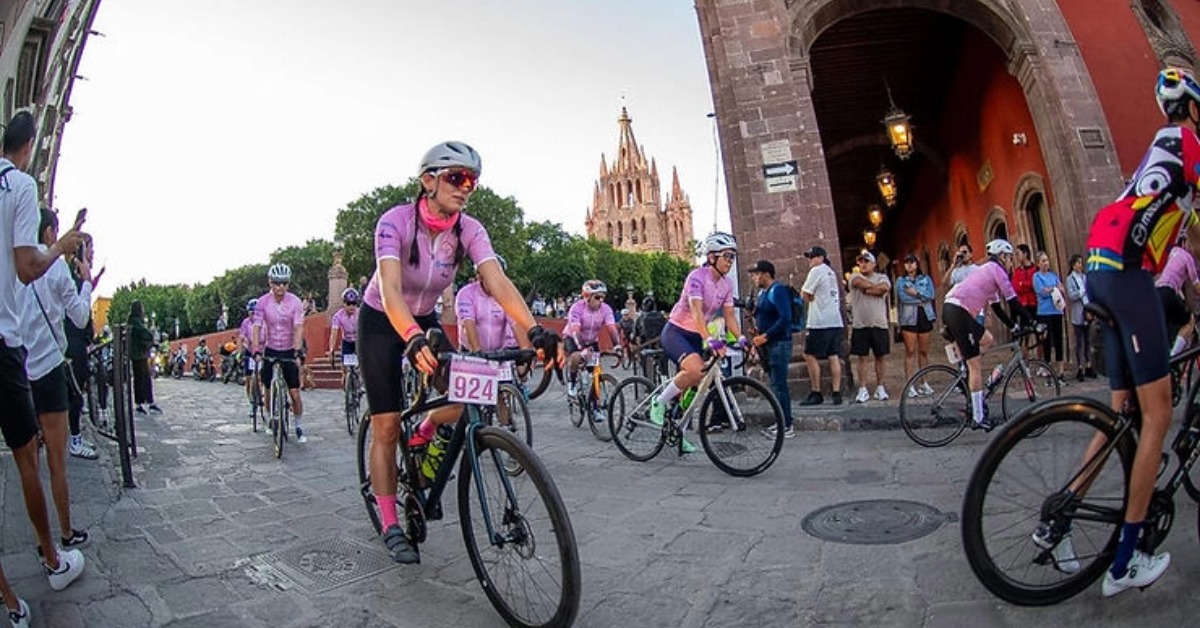
San Miguel de Allende drew more than 12,000 attendees during the third edition of La Classicissima by Milano Sanremo, a cycling event that brought 1,100 riders to the Guanajuato city and generated more than 15 million pesos in reported economic impact.
The event adds another piece to San Miguel’s broader tourism strategy. The city is already known internationally for its historic center, wedding industry, food scene, galleries, and cultural tourism. But local officials are also pushing sports tourism as a way to bring visitors who stay, eat, shop, and spend beyond a single afternoon visit.
For foreign residents and visitors, the event matters because it shows how San Miguel is changing. The city is not only relying on its postcard image. It is trying to build a year-round calendar that gives travelers more reasons to come, and gives local businesses more weekends with steady customer traffic.
Why La Classicissima matters for San Miguel
La Classicissima is tied by name and branding to the cycling tradition of Milano-Sanremo, one of the best-known one-day races in professional cycling. The San Miguel version is an amateur endurance event, but it uses that European cycling identity to create a destination race in central Mexico.
This year’s edition was held on Saturday, April 25. The official race rules listed San Miguel de Allende as the host city, with a 7 a.m. start time. Riders competed across three main distances: an 83-kilometer short route, a 143-kilometer middle-distance route, and a 243-kilometer Gran Fondo.
The race started from Alameda San Miguel de Allende and finished at Viñedo San Lucas, a vineyard area outside the city. That route design matters because it connects the city’s historic center, surrounding roads, and wine-country tourism into one event.
A weekend boost for hotels and restaurants
The reported 15 million pesos in economic impact reflects more than registration fees. Cycling events bring riders with support teams, relatives, and friends. Many stay overnight, eat at restaurants, and shop locally before and after the race.
Municipal tourism officials said the event drew participants from cities including Mexico City, Querétaro, Puebla, Guadalajara, and Monterrey. That gives San Miguel exposure in some of Mexico’s largest visitor markets. It also helps position the city as a weekend sports destination, not only a place for weddings or cultural sightseeing.
For local businesses, events like this can help fill rooms and tables outside the strongest holiday periods. That is one reason many Mexican destinations are investing in races, festivals, food events, and niche tourism gatherings. They spread visitor traffic across the calendar.
Sports tourism joins culture and weddings
San Miguel’s tourism identity has traditionally rested on architecture, arts, restaurants, boutique hotels, and heritage. The city’s historic center is part of a UNESCO World Heritage designation, alongside the nearby Sanctuary of Jesús Nazareno de Atotonilco.
That heritage remains central to the city’s appeal. But the growth of events like La Classicissima shows a more layered tourism model. San Miguel is trying to attract visitors who may come for a race, but stay for the restaurants, vineyards, hotels, and cultural sites.
That strategy is especially important for a city with a strong expat community and a large international profile. Repeat visitors and foreign residents often look for local events that go beyond standard sightseeing. A cycling weekend can serve both tourists and residents, while also giving the city national visibility.
What residents should expect from these events
Large sports events can bring clear benefits, but they also affect daily life. This year’s race required road awareness, traffic planning, and temporary adjustments along parts of the route. Local officials advised residents to plan morning travel, respect temporary signage, and use caution in cyclist areas.
That balance will become more important if San Miguel continues building an events-based tourism calendar. Races and festivals can support hotels, restaurants, and service workers. They can also create congestion, parking challenges, and road closures if planning is weak.
For a city already managing tourism pressure, the challenge is not only attracting visitors. It is about ensuring events are organized in a way that residents can live with. That includes clear traffic notices, strong safety planning, and routes that limit disruption where possible.
A sign of San Miguel’s next tourism phase
The success of the third edition gives San Miguel another example of how sports can support the local visitor economy. The reported attendance and economic impact also help officials argue that tourism need not be limited to leisure travel, weddings, or cultural weekends.
The event fits into a wider effort to build high-value tourism, where visitors stay longer and spend across several local sectors. For San Miguel, that means a cyclist may also become a restaurant customer, hotel guest, vineyard visitor, or future repeat traveler.
The larger takeaway is simple. San Miguel de Allende is working to widen its tourism appeal without abandoning the identity that made it famous. La Classicissima gives the city another tool in that effort, and it may become a recurring marker of how sports, culture, and local commerce can overlap in one weekend.