San Miguel de Allende is getting another turn in the international spotlight, this time through wine. The city will host the first CMB Gala, a new awards format from the Concours Mondial de Bruxelles, at the end of November. The event is expected to bring wineries, buyers, judges, media, and wine-sector leaders to Guanajuato. For residents and visitors, it also signals how quickly the state’s wine scene has moved from a regional attraction to a global tourism pitch.
San Miguel to Host First Global Wine Gala
San Miguel de Allende will host the Concours Mondial de Bruxelles Gala on November 29 and 30, placing the city at the center of a new international wine awards format.
The event, known as the CMB Gala, is being presented as the first global awards ceremony in the history of the Concours Mondial de Bruxelles. Guanajuato was selected as the founding host region, with the state expected to hold the event in both 2026 and 2027.
The gathering is expected to bring more than 400 vineyards and wine-sector figures from around the world to San Miguel de Allende. The program is aimed at producers, buyers, importers, specialized media, collectors, and wine enthusiasts.
For San Miguel, the event adds another layer to its tourism identity. The city is already known for architecture, weddings, restaurants, and a large international community. Wine has now become a larger part of that story.
A Two-Day Program in San Miguel
The event is scheduled to begin on November 29 with World’s Best Tasting, a tasting program built around winning labels from the Concours Mondial de Bruxelles competitions.
That first-day program is expected to take place at the Rosewood hotel in San Miguel. It is designed as a high-level tasting for industry guests and select wine consumers.
The main awards ceremony is scheduled for November 30 at Viñedo Hacienda San José Lavista, one of the wineries near San Miguel de Allende. The ceremony will recognize top wines and spirits, along with figures and producers in the global industry.
The new format is meant to do more than hand out medals. It is also a networking event for wineries, buyers, distributors, and tourism officials.
For Guanajuato, that business angle is central. The state has spent several years promoting wine tourism as part of a broader strategy tied to food, culture, hotels, and heritage travel.
What the Concours Mondial de Bruxelles Is
The Concours Mondial de Bruxelles is one of the best-known international wine competitions. It began in 1994 and now evaluates thousands of products each year from more than 55 countries.
The competition uses professional tasters and blind evaluations. That means judges assess wines without relying on the reputation of the label, producer or region.
The CMB now operates through separate sessions for different wine categories, including red and white wines, rosé wines, sparkling wines, and sweet or fortified wines. That structure allows judges with specific expertise to evaluate each style.
The new gala is different from the regular judging sessions. It is designed as a public-facing awards and promotion event, closer to an international ceremony than a technical tasting panel.
The format also expands the CMB brand beyond medals. It gives a host region a chance to showcase its wine, food, and tourism offerings to an international audience.
Guanajuato’s Wine Sector Has Grown Quickly
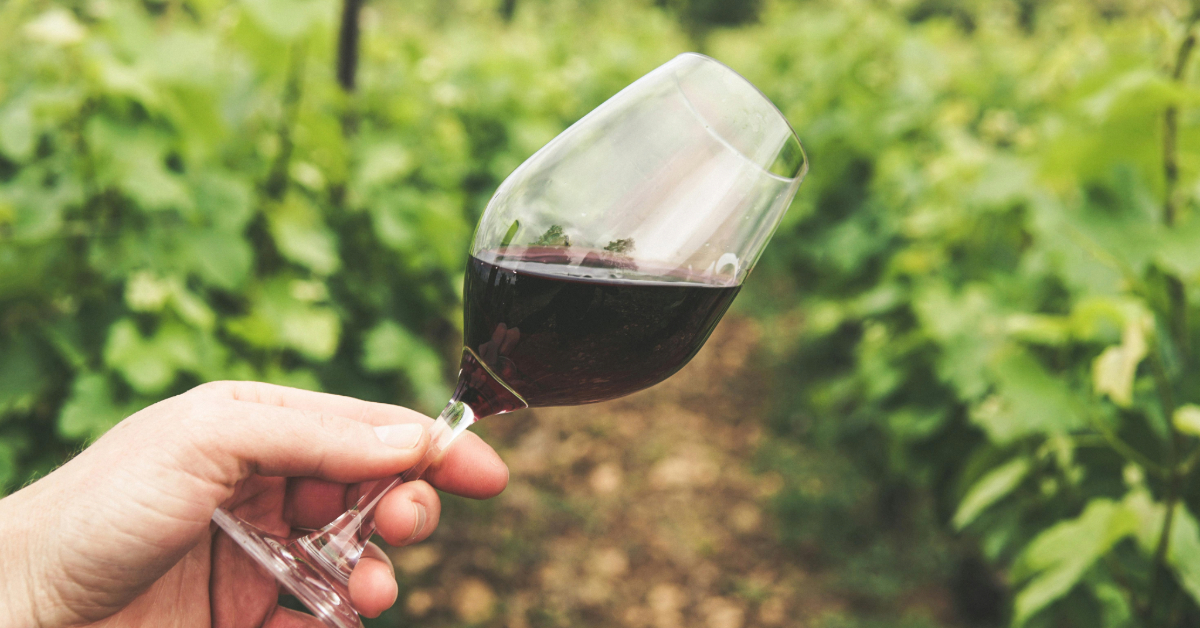
Guanajuato is not Mexico’s oldest wine destination in the public imagination. Baja California still holds that place for many travelers. But Guanajuato has become one of the country’s more visible wine regions, especially in the central highlands.
State tourism officials say Guanajuato is now the fourth-largest wine producer in Mexico and the fifth-largest producer of wine grapes. The state reports 64 wine projects, 27 of which offer tourism experiences.
Those projects produce more than 1.6 million bottles a year, with more than 130 labels in the market. The state also reports more than 600 hectares under cultivation and more than 20 grape varieties.
Much of the tourism strategy is built around the Valle de la Independencia Wine Route, which connects vineyards, wineries, historic towns, and cultural stops. The area includes destinations around San Miguel de Allende and Dolores Hidalgo.
For international residents and visitors, that makes the region easier to understand. A trip to San Miguel is no longer only about the historic center. It can also include wineries, tasting rooms, harvest festivals, and nearby rural communities.
San Miguel Fits the Host-Region Model
San Miguel de Allende gives the CMB Gala a ready-made international platform. The city is already one of Mexico’s most recognized cultural destinations.
Its historic center and the nearby Sanctuary of Jesús Nazareno de Atotonilco were inscribed by UNESCO in 2008. The city’s heritage status helps explain why it remains a strong draw for international tourism.
The wine event also fits the city’s current tourism direction. San Miguel has leaned into gastronomy, boutique hotels, weddings, wellness, art, and premium events. Wine tourism now connects many of those pieces.
That does not mean the event is only for luxury travelers. For residents, it may bring more restaurant activity, hotel demand, and attention to regional wineries. It could also make local wine more visible to people living in central Mexico who have not yet explored Guanajuato’s vineyards.
The challenge will be balance. San Miguel already faces pressure from tourism, real estate growth, and rising costs. Large events can generate revenue, but they also increase traffic and demand in a city with limited space.
What Visitors and Residents Can Expect
The CMB Gala will likely be most visible in hotels, restaurants, and wineries around San Miguel during the final days of November.
Visitors should expect higher demand for rooms and reservations around the event dates. Restaurants, tasting rooms, and transport services may also see more activity, especially near the historic center and wineries tied to the program.
For wine travelers, the event could be a reason to plan a longer stay. The surrounding area includes vineyards in and around San Miguel, Dolores Hidalgo, and other parts of Guanajuato’s wine route.
For residents, the main change may be visibility. Events like this bring media coverage and industry attention. They can also encourage more wine-related programming throughout the year.
The larger question is whether the gala becomes a one-weekend event or a longer-term tool for local wineries. Guanajuato officials are clearly aiming for the second outcome.
A Larger Moment for Mexican Wine
The San Miguel gala also reflects a broader shift in how Mexican wine is presented.
For years, many international visitors associated Mexican drinks mainly with tequila and mezcal. Wine has gained more space in the conversation, helped by regions in Baja California, Querétaro, Coahuila, and Guanajuato.
Guanajuato’s advantage is location. It sits near major domestic travel markets and has strong tourism anchors in San Miguel de Allende, Guanajuato city, and Dolores Hidalgo.
The CMB Gala gives the state a chance to place its wine sector beside global producers. It also gives Mexican wine a platform tied to an established international competition.
For San Miguel de Allende, the event is not just another entry on the social calendar. It is a signal that the city’s wine and gastronomy profile is becoming part of its international identity.