After years without a public drag competition, San Miguel de Allende is preparing for its return on April 17. The event is more than a night out. It points to a broader shift in who gets seen in public, how local performers build community, and why drag still matters in a city better known abroad for tourism and heritage than for LGBTQ+ cultural visibility. The comeback also raises a simple question: what does renewed visibility mean in practice for a changing city?
A public return after a long pause
A drag contest is returning to San Miguel de Allende after eight years without a similar public event. Organizers describe this edition as the third in the city’s recent history. The first was held about 10 years ago, and the second took place eight years ago. Since then, no comparable public project has continued in the city. That gap matters because it shows how difficult it can be to keep LGBTQ+ cultural events visible over time, even in a place known for art, tourism, and an active social scene.
The event is scheduled for April 17 at a venue in the downtown area. Access is expected to begin at 9 p.m., followed by a red carpet and the competition itself at 10 p.m. Organizers say the public is also welcome to arrive in costume, turning the night into something broader than a conventional stage show. That detail gives the event a different tone. It is not only about choosing a winner. It is also about inviting the audience to participate in a more open, visible form of expression.
What the contest will look like
The competition is set to unfold in three stages. First comes a themed runway tied to San Miguel de Allende, with contestants creating looks inspired by the city. Then comes a free-talent segment, followed by a lip-sync round. In practical terms, that means the event will test more than appearance. It will also reward performance, styling, interpretation, and stage presence. For readers less familiar with drag, that mix is important. Drag is not simply a costume or imitation. It often combines makeup, design, movement, humor, character work, and personal storytelling.
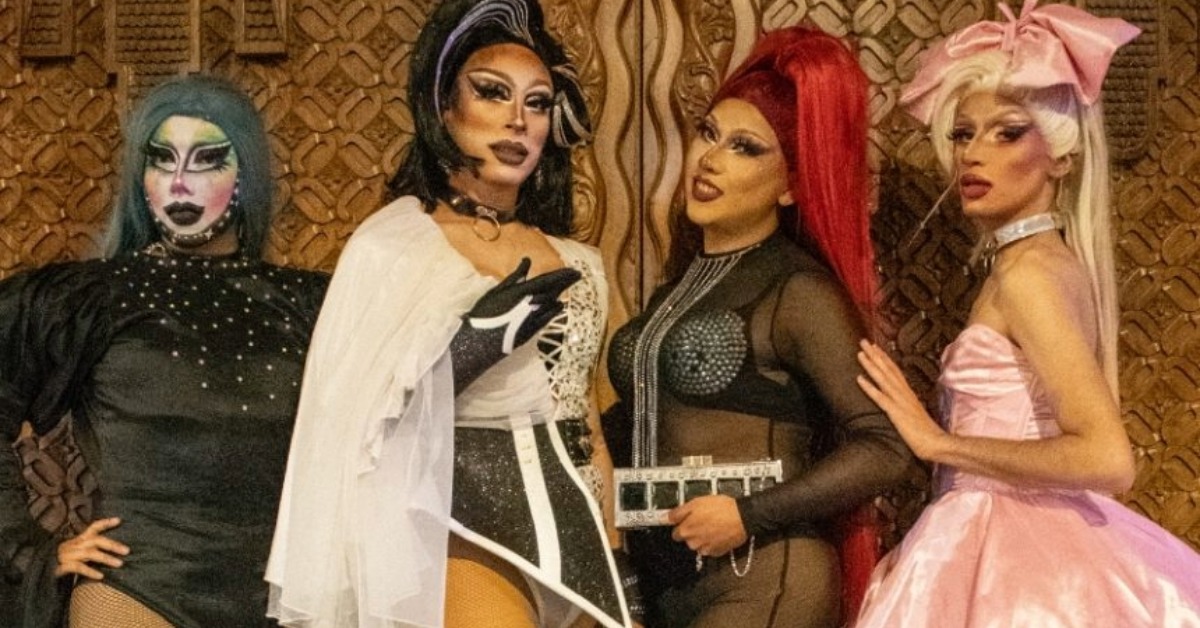
Organizers say the original plan was to focus on participants from San Miguel itself. But the response was limited, so the field widened. This year’s lineup includes four contestants from San Miguel de Allende, Querétaro, and Dolores Hidalgo. That detail adds another layer to the story. The contest may be returning to San Miguel, but its revival also depends on support from neighboring places. In other words, the event reflects both local interest and the reality that public participation still has limits. A comeback is happening, but it is happening carefully, not at full scale.
Why this matters beyond one night
Former winners who spoke about the contest say the context around drag performance has changed in recent years. They point to wider exposure through digital platforms and international shows, which have made drag more familiar to broader audiences. They also describe a shift in style. Earlier formats often leaned more heavily on impersonation. Today, performers are more likely to build original stage identities through makeup, wardrobe, and performance. That change helps explain why this event deserves attention beyond nightlife coverage. It is part of a wider move toward treating drag as a creative discipline, not just novelty entertainment.
For international readers, especially foreigners who live in or follow San Miguel, the story also speaks to public space. San Miguel is often framed through its colonial center, arts economy, and tourism appeal. Those things are real, but they do not tell the whole story. A contest like this shows another side of the city: who feels comfortable appearing in public, who still hesitates, and what kinds of cultural expression are allowed to become visible. Organizers themselves acknowledge that public exposure remains a barrier. Nerves, social pressure, and family dynamics still shape who decides to step on stage.
The wider context in San Miguel and Guanajuato
The contest is not appearing in a vacuum. Colectivo Orgullo San Miguel de Allende, known as COSMA, describes itself as an autonomous local project focused on inclusion, rights, and community support for LGBT+ people. The group says local organizing in San Miguel has been building since 2012 through community spaces, education, health work, Pride activity, and cultural programs. That matters because it places the contest inside a longer local effort. It is not just a party announcement. It is part of a broader attempt to create durable spaces where visibility, creativity, and community life can exist in public.
There is also a larger state backdrop. Guanajuato has a law aimed at promoting, protecting, and progressively guaranteeing the rights of sexually and gender-diverse people. A law alone does not erase hesitation, stigma, or uneven acceptance from one city block to another. But it does change the environment in which public cultural events take place. A decade ago, a contest like this might have stood on its own more. Today, it lands in a context that includes organized local activism, a clearer language of rights, and a more public conversation about diversity.
That does not mean the return of the contest should be overstated. One event does not transform a city. But it can serve as a useful marker. If the night draws a crowd, attracts new performers, and continues beyond this year, it may signal that LGBTQ+ cultural expression in San Miguel is moving from occasional visibility to greater continuity. For a city that is often read from the outside through postcards and travel rankings, that would be a meaningful development. It would suggest that the public story of San Miguel is still expanding, and that culture here is not only about preserving the past, but also about deciding who gets to be seen in the present.
Deep Dive:
Historic Guanajuato equal marriage win and ECOSIG ban
Mexico LGBTQ+ explained
Mexico City Pride wants a World Cup 2026 spotlight