Two new Santa Catarina bridges are coming to Monterrey’s river corridor as Nuevo León races to get World Cup-ready. The spans are designed for people, not cars, with direct connections to Metro Line 4 and safer routes between Constitución and Morones Prieto. Officials say the bridges, along with a linear park upgrade, will help visitors move without clogging streets. The plan lands as construction deadlines tighten and locals ask how the river’s ecology and public space will be protected while the city builds for 2026.
Santa Catarina bridges
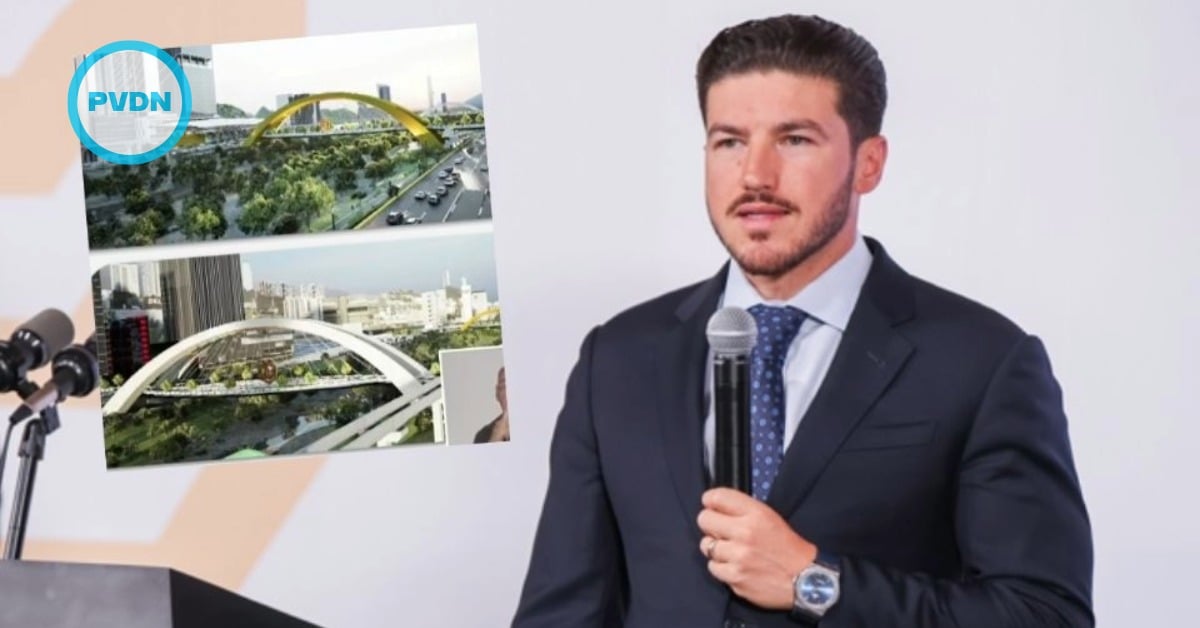
Nuevo León says it will build two new pedestrian bridges over the Santa Catarina River to connect Metro Line 4 with central Monterrey before the 2026 World Cup. The announcement positions the spans as game-day pressure valves: short, direct crossings that move crowds between avenues Constitución and Morones Prieto and into the new L4 stations without pouring more people onto already-busy streets.
Governor Samuel García introduced the bridges in August as part of a broader mobility push tied to the tournament timeline. Local outlets reported the structures are designed as arch-style pedestrian spans. That bidding is underway, with locations near the Rise Tower corridor and the Fuerza Civil complex, linking directly to L4 stops (including the ISSSTE station). That detail matters for fans: a five-minute walk to the monorail beats a twenty-minute shuffle through traffic.
Why the bridges, and why now
The bridges plug into a broader makeover of the river corridor—linear parks, wider sidewalks, and protected access to the Metro—that the state has tied to World Cup readiness. Earlier planning documents and briefings highlight the goal: a walkable spine along the Santa Catarina that funnels people to L4 while reclaiming space for pedestrians and cyclists. It’s not just stadium days; the corridor is supposed to work on regular weekdays, too.
That approach tracks with 2025 commitments Nuevo León has made around bike lanes, transfer hubs, and crossing points over the river. A summer roundup from national media cited targets including 41 kilometers of new cycle infrastructure and multiple pedestrian bridges—a scale hinting that the two Santa Catarina crossings are the flagship pieces, not outliers. If the state hits those marks, it could meaningfully shorten first- and last-mile trips to the Metro.
The fine print: deadlines, dollars, and the river itself
Deadlines are tight. Monterrey aims to open the first stretch of L4 in time for the tournament, and the bridges have to land in that same window. Public briefings describe civil works on a fast track, and ground activity on the linear park has already started along parts of the riverbed. That sequencing suggests the spans will be built in parallel with station works, which is efficient—but leaves little room for delays.
Money and transparency will be under a microscope. While officials have promoted a river-corridor investment of 1,275 million pesos for pedestrian and urban upgrades, residents want clarity on final contracts and costs for the two bridges. Robust disclosure will help keep momentum while addressing skepticism that often dogs pre-tournament projects.
There’s also the river. Advocacy groups and environmental reporters have warned that World Cup-adjacent works across Mexico can pressure urban ecosystems if vegetation removal and channel interventions go unchecked. In Monterrey, local organizers have flagged brush-clearing and habitat concerns along the Santa Catarina as crews prepare the corridor. The state will need to show how bridge foundations, river access, and park landscaping protect flood behavior and biodiversity while still delivering safe, direct crossings.