Isla Mujeres activates emergency cleanup as over 140 tons of sargassum land at Playa Norte. Authorities respond quickly to protect tourism amid seasonal algae surge.
sargassum, Isla Mujeres, Playa Norte, Zofemat, Quintana Roo, tourism, Mexican Caribbean, summer 2025, beach cleanup, seaweed
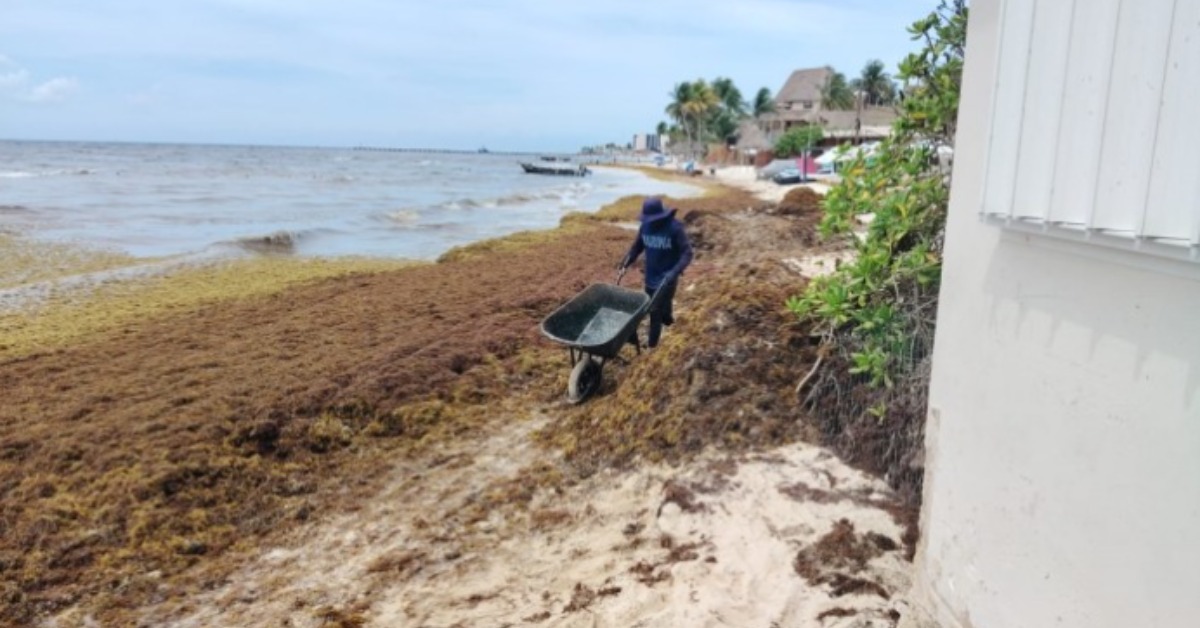
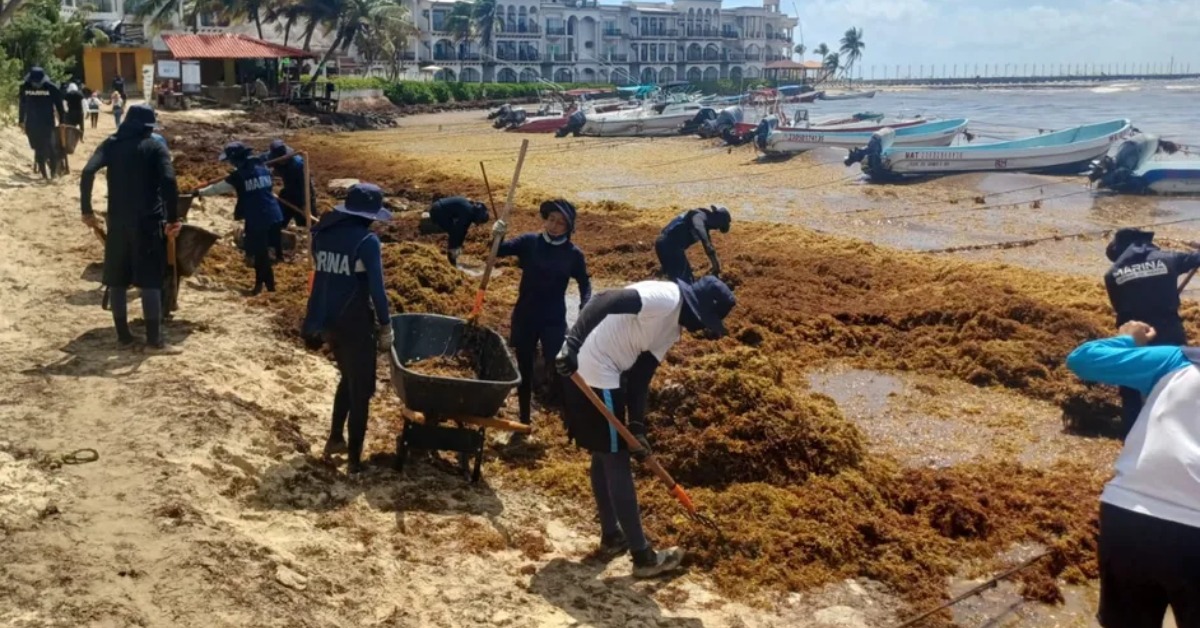
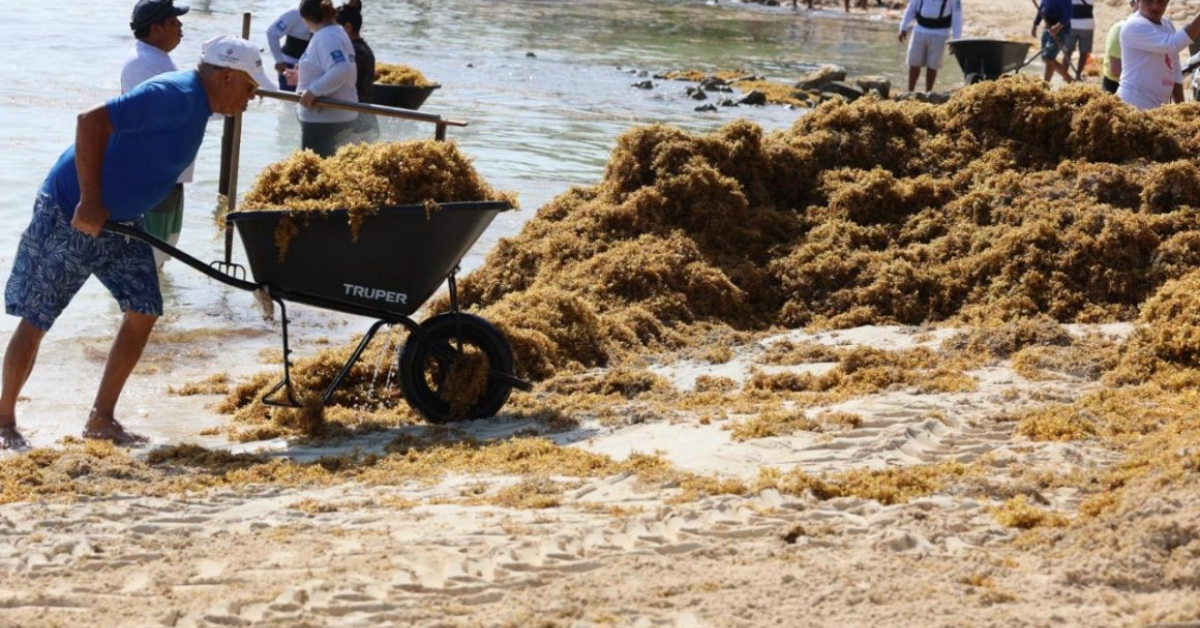
An atypical and unusually large sargassum grounding was recorded Monday morning at Playa Norte in Isla Mujeres, as over 140 tons of algae washed ashore in a single event. The unexpected arrival of sargassum in the El Riíto area triggered an immediate municipal response aimed at preserving one of the island’s most iconic beaches during peak tourist season.
According to local authorities, municipal brigades from the Federal Maritime Land Zone (Zofemat) began coordinated cleanup efforts at 5 a.m., deploying more than 130 workers to the affected area. Playa Norte, renowned for its calm turquoise waters and powdery white sand, is a key tourist attraction for Isla Mujeres. Officials said the early intervention was critical to minimize visual and environmental impact and avoid disruptions to tourism.
“This is an atypical event,” explained Dayana Pérez Medina, director of Zofemat in Isla Mujeres. “Sargassum does not land uniformly across all beaches, and while Playa Norte is usually spared, we must always be ready. These types of events call for an immediate and well-organized response.”
The cleanup was a joint effort involving multiple departments within the Isla Mujeres City Council, including Public Services and Economic Development, who supported the large-scale operation alongside Zofemat personnel.
Rising Tonnage Highlights Ongoing Challenge
So far in the 2025 sargassum season, Isla Mujeres has removed more than 1,334 tons of sargassum from various parts of the island’s coastline. While Playa Norte has largely avoided severe impacts in the past, this sudden influx of seaweed underscores the unpredictable nature of the phenomenon, which continues to affect the Mexican Caribbean with varying intensity.
Environmental experts note that sargassum season typically peaks during the summer months, fueled by higher ocean temperatures and nutrient-rich waters. While the floating algae are a natural occurrence, recent years have seen an increase in their volume, frequency, and geographical spread—an issue scientists partially link to climate change and pollution from agricultural runoff.
The atypical sargassum landing in Isla Mujeres is not an isolated case. Other popular tourist destinations in the region—including Cancun, Playa del Carmen, and Tulum—have also reported intermittent beach invasions, though some beaches remain unaffected due to shifting sea currents and wind patterns.
Protecting Tourism and the Environment
Local officials emphasized the importance of rapid intervention to safeguard both tourism and the island’s fragile marine ecosystem. Playa Norte is not only a major draw for visitors but also a critical economic engine for the community, supporting hotels, restaurants, tour operators, and countless small businesses.
“The wellbeing of our beaches directly affects the livelihood of thousands of islanders,” said a spokesperson from the City Council. “We are committed to keeping our coastline clean and safe, not only for tourists but also for the local families who depend on tourism.”
Zofemat teams have deployed manual and mechanical tools to remove the sargassum efficiently and transport it to designated collection sites, where it will be processed and managed in accordance with environmental regulations.
Long-Term Solutions Still Needed
Despite the swift and effective response to Monday’s grounding, experts warn that municipalities across the Mexican Caribbean must continue investing in long-term strategies to manage sargassum. These include early detection systems, ocean barriers to prevent seaweed from reaching shore, and sustainable reuse initiatives such as composting or conversion into industrial products.
In the meantime, local authorities in Isla Mujeres urge residents and visitors to stay informed and cooperate with beach safety guidelines during the sargassum season. While Monday’s event was managed successfully, vigilance remains essential as conditions can shift quickly along the Caribbean coast.
For now, Playa Norte remains open and welcoming, thanks to the tireless efforts of municipal workers who began their day before sunrise to ensure the island’s main beach continues to live up to its world-class reputation.