A winter system tied to Frente Frío 27 is turning the usual January chill into something sharper: slick roads, surprise snow, and a coastline battered by powerful “Norte” winds. In southern Veracruz, schools are closed for the day as officials watch rivers and low-lying areas. Farther north, mountain passes and high points have become a risk zone for drivers and hikers, with ice and poor visibility spreading fast. Here’s what’s happening, where it’s hitting hardest, and what to watch next.
A front that squeezes Mexico from both ends
A familiar winter pattern has turned unusually disruptive this week: a cold front pushing moisture and wind across the Gulf side while a winter system over the north drives colder air, gusts, and the kind of precipitation that causes problems even when it’s not a full-blown blizzard. For many parts of Mexico, the bigger threat isn’t deep snow, but the mix of freezing drizzle, sleet, and sudden temperature drops that can turn pavement into glass with little warning.
That’s the story behind the scattered closures now cropping up across the country. In the highlands and northern mountains, the risk is ice and low visibility. Along the Gulf coast, it’s a combination of intense “Norte” conditions and heavy rain that can swell streams quickly, knock out power, and make coastal travel feel dicey, especially for anyone unused to Mexico’s winter wind events.
Veracruz pauses classes as rain and wind build
In Veracruz, the most immediate impact for families is on the school calendar. Authorities suspended classes Monday, January 12, in a cluster of municipalities concentrated in the south of the state, including key population centers and communities across the Coatzacoalcos–Minatitlán corridor and the Los Tuxtlas region. The decision was framed as a preventive step tied to the expectation of significant rainfall, with officials monitoring rivers, arroyos, and areas prone to deslaves.
The weather has already left a trail of smaller incidents that hint at what officials are trying to avoid if conditions worsen. In the south, strong winds and storms have been linked to traffic disruption from fallen structures, scattered reports of downed trees, and minor damage to roofs. The broader concern, especially in low-lying zones, is that a few hours of intense rain can quickly shift from nuisance to hazard if drainage backs up or waterways rise.
Ice closes routes in the north and highlands
While Veracruz is watching water, the north is dealing with cold that behaves differently. In Chihuahua, a federal highway was temporarily closed after snowfall and freezing conditions left pavement iced over in a mountain pass area, stranding motorists until crews and authorities worked to reopen the route. It’s the kind of closure that can feel abrupt: one minute you’re driving under gray skies, the next you’re on a stopped road with black ice under your tires.
Nuevo León has also seen winter weather in the mountains, with reports of snow and sleet in higher-elevation communities and icy conditions extending toward parts of the Monterrey metro area. When temperatures hover near freezing, even light precipitation can create dangerous driving conditions, particularly on bridges, shaded curves, and steep grades where the surface doesn’t warm up.
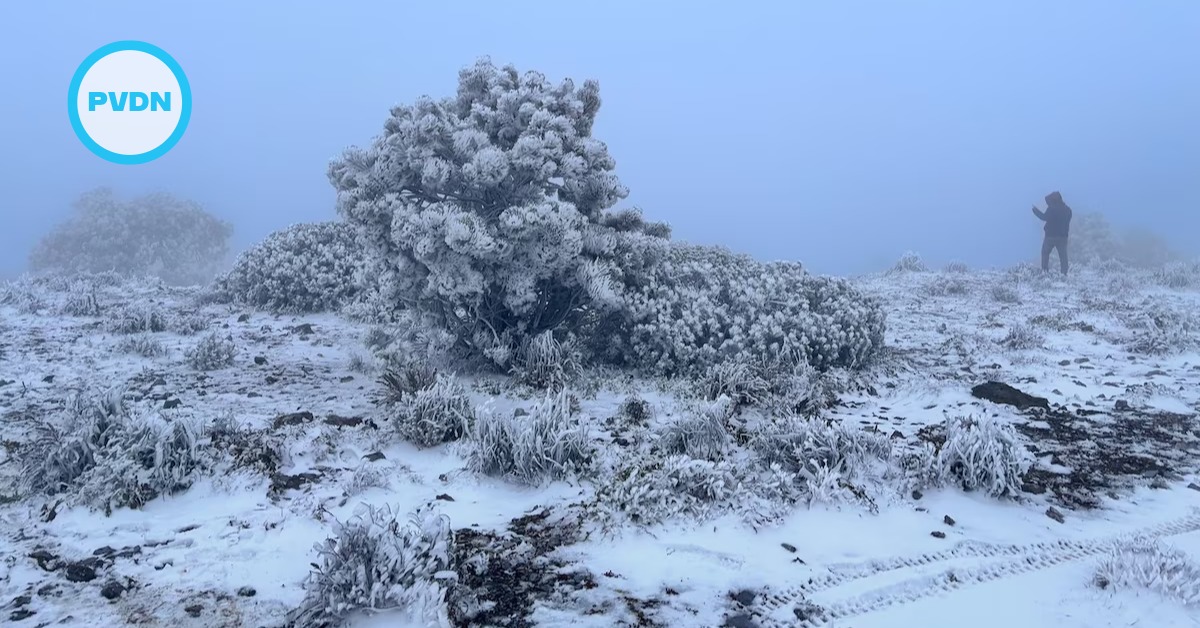
In Veracruz’s central highlands, the cold has created its own tourism headache. Access to Cofre de Perote was restricted after temperatures dropped well below freezing, and ice accumulation made conditions risky for visitors. Local officials cited safety concerns after incidents linked to inadequate gear and exposure. For expats who love a quick mountain escape, it’s a reminder that Mexico’s high elevations can shift from scenic to serious fast, especially when wind and ice are part of the mix.
What this means for expats in Mexico right now
For expats, the practical takeaway is less about the spectacle of snow and more about the disruption it can cause to routines that assume “winter in Mexico” is mild. If you’re traveling between states, the risk is that a route that looks fine on a map may cross a high point where ice is building, visibility is dropping, or authorities are stopping traffic. The same goes for day trips into mountains near large cities: a sunny morning in town doesn’t guarantee safe conditions at altitude.
Along the Gulf, “Norte” events can change the feel of an entire coastline. Expect choppy seas, blowing spray, sudden temperature drops near the water, and occasional knock-on effects such as port restrictions or interruptions to ferry-like operations in coastal areas. Inland, heavy rain paired with wind can cause localized outages and road flooding, especially in areas where water rises quickly or where debris clogs drains.
The most useful habit over the next 24 to 48 hours is staying close to local guidance. Mexico’s weather impacts are often hyper-local: one municipality may be in shutdown mode while the next one over is simply cold and wet. If you’re new to the region, treat official alerts as your baseline, and be cautious about driving at night or early morning when freezing conditions are most likely to surprise you.