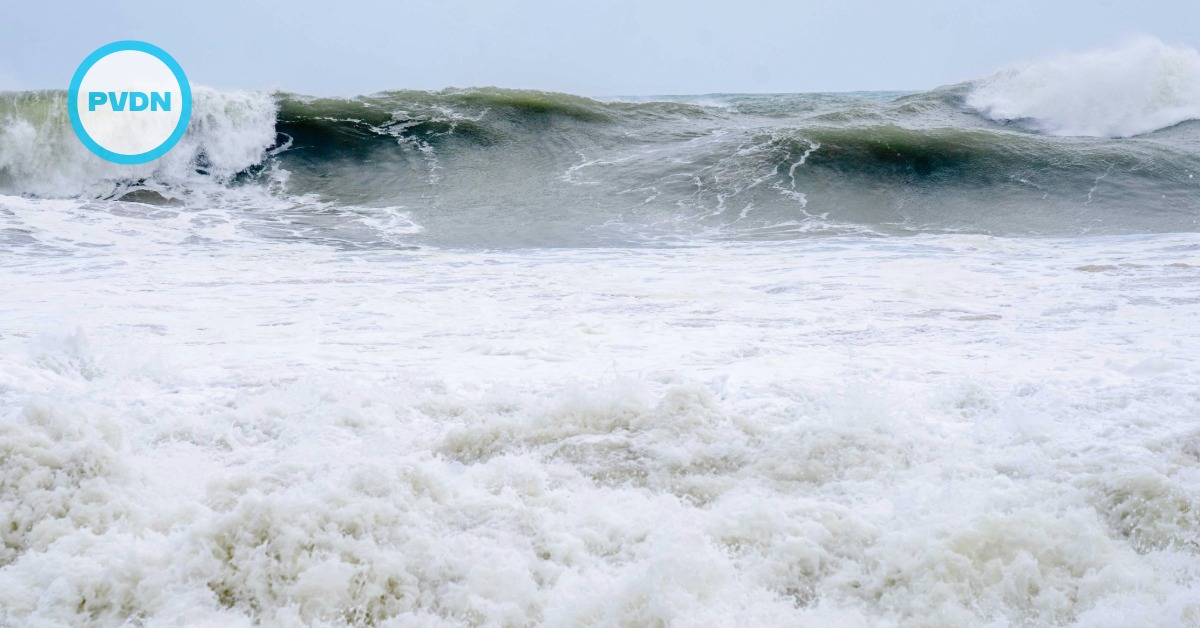
The Malecón looked calm from a distance, then the sea rose like it had a point to prove. Within seconds, a wave pushed spray over the seawall, startling visitors taking photos near the edge. By midday, beach conditions had escalated to the point of red flags across Puerto Vallarta, and officials were urging everyone to stay out of the water. What caused the sudden change, and how long can it last? Here’s what to know before your next walk, run, or sunset stroll.
Waves spill onto the Malecón
A strong set of waves rolled into Puerto Vallarta’s Malecón on Wednesday morning, catching passersby off guard. People stopped for pictures, then jumped back as the water surged higher than expected. The first reports described the walkway as still open, with no restrictions posted at that moment. But conditions along the coast were already trending rough, with choppy water and powerful pullback between sets. As the morning progressed, municipal responders moved to limit risk in the places that matter most: the shoreline. Red flags went up across the city’s beaches, a clear signal that entering the ocean is off limits. The warning focused on two dangers that don’t always look dramatic from shore: heavy surf and strong rip currents. For locals and expats, that matters because the Malecón is not just a tourist strip. It’s a daily route for dog walks, errands, and those quick “just one more sunset” laps. When waves start slapping the seawall, the safest spot is farther back than your instincts suggest.
Why the water is rough right now
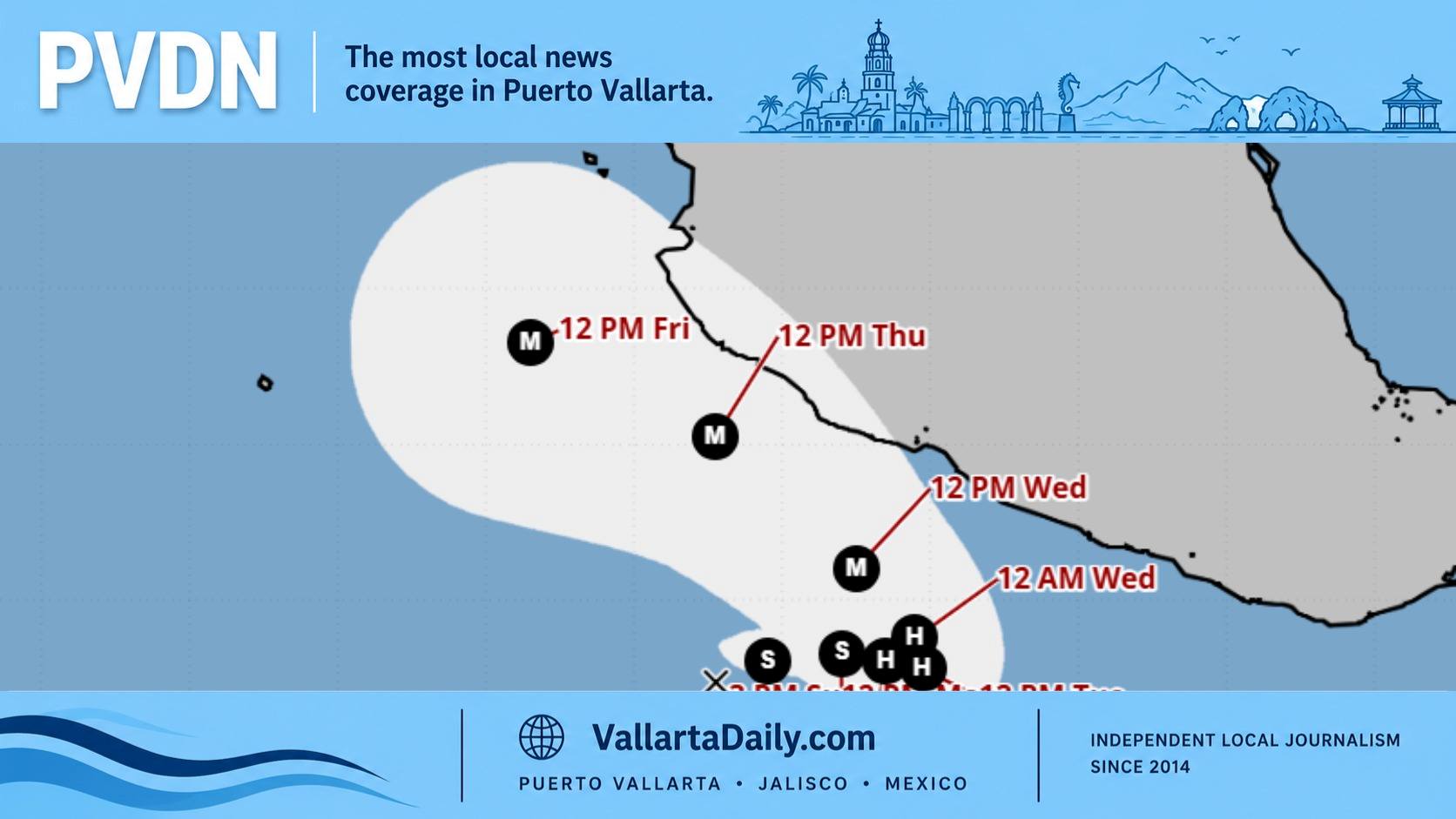
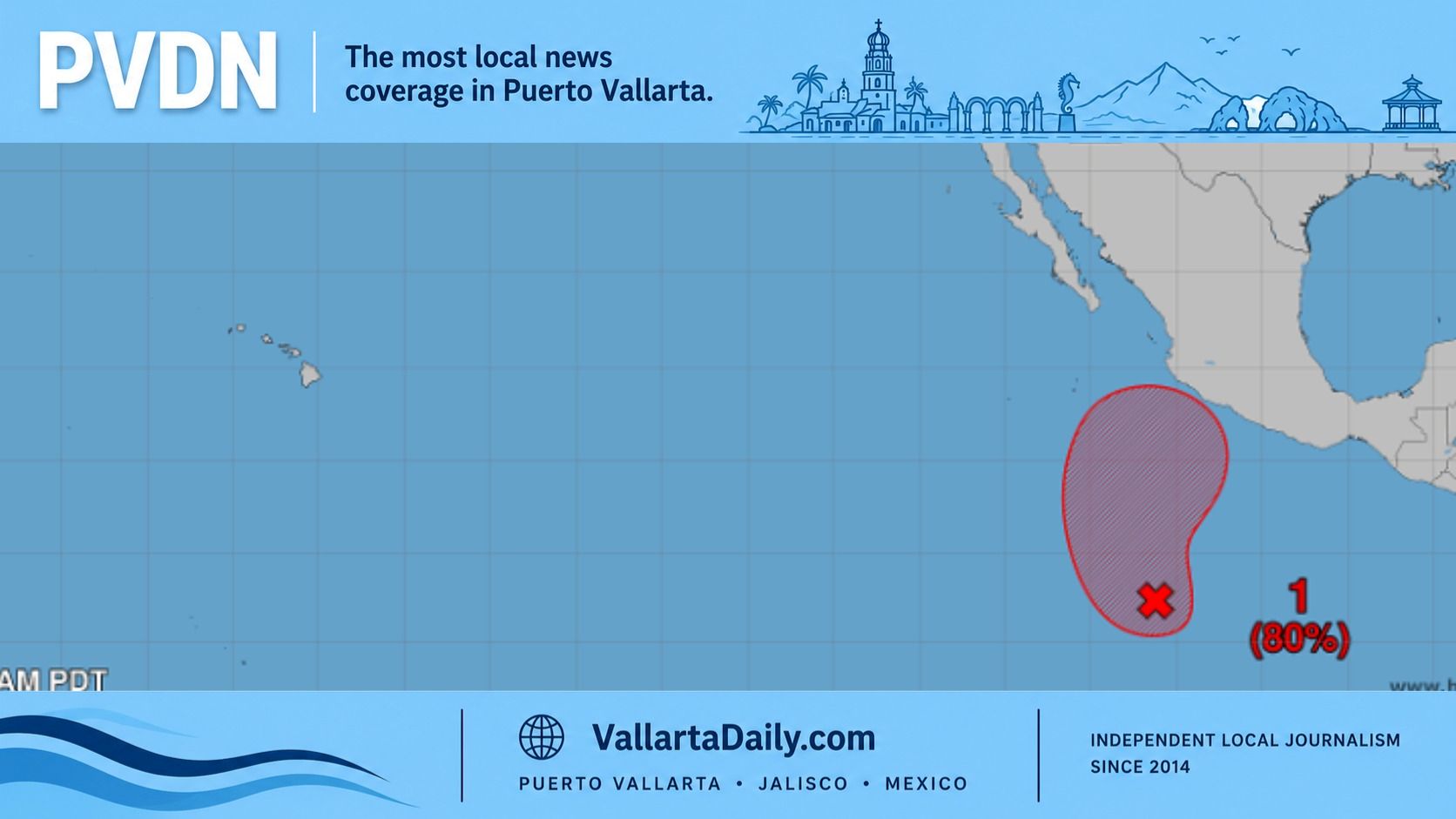
The bigger story is the swell behind those surprise splashes. Weather forecasters were tracking a mar de fondo along Mexico’s Pacific coast, including Jalisco. Models indicated waves around two to three meters, enough to reshape the shoreline quickly. Mar de fondo is not a storm sitting over Vallarta. It’s a long-traveling swell built by strong winds far from the bay. Because the wave period is longer, sets can arrive with extra force and run farther up the beach. That’s why you can get five quiet minutes, then a wave that reaches places that felt safe. It also helps explain the return flow that follows, which can tug at your ankles and keep pulling. Marine forecasters also flagged the chance of locally rough seas and reduced visibility along parts of the Pacific. In practice, that mix can turn a casual shoreline moment into a fast problem, especially for kids and weak swimmers.
How to stay safe while the surf stays high
If you’re heading to the Malecón while the surf is up, treat the edge like a wet curb on a steep hill. Spray can make the stone slick, and one shove from behind can be enough. Give the seawall space, keep phones and cameras off the lip, and don’t let kids chase the foam. On the sand, the flag system is the simplest guide you’ll get all day. Red means no swimming, no wading, and no “just a quick dip,” even if the water looks friendly. Earlier this week, lifeguards pulled a Canadian visitor back after a return current dragged her offshore. If you see lifeguards moving people back, follow their lead and don’t argue the timeline. Rip currents don’t announce themselves, and they don’t care how confident you feel. If someone is pulled out, call for help first, then keep eyes on them and point. If you get caught, try to stay calm, float, and work parallel to the shore until the pull eases. These events usually pass, but the smartest move is to wait them out from dry ground.
With information from Reporte Diario Vallarta, El Informador, Quadratín Jalisco, N+, Secretaría de Marina, Telediario, Infobae, Contralinea