Puerto Vallarta, Jalisco, June 18, 2026 – A small turtle found only in this region drew a large crowd in Puerto Vallarta, where the Second Casquito de Vallarta Race raised 92,571 pesos for conservation work tied to one of Mexico’s most endangered species.
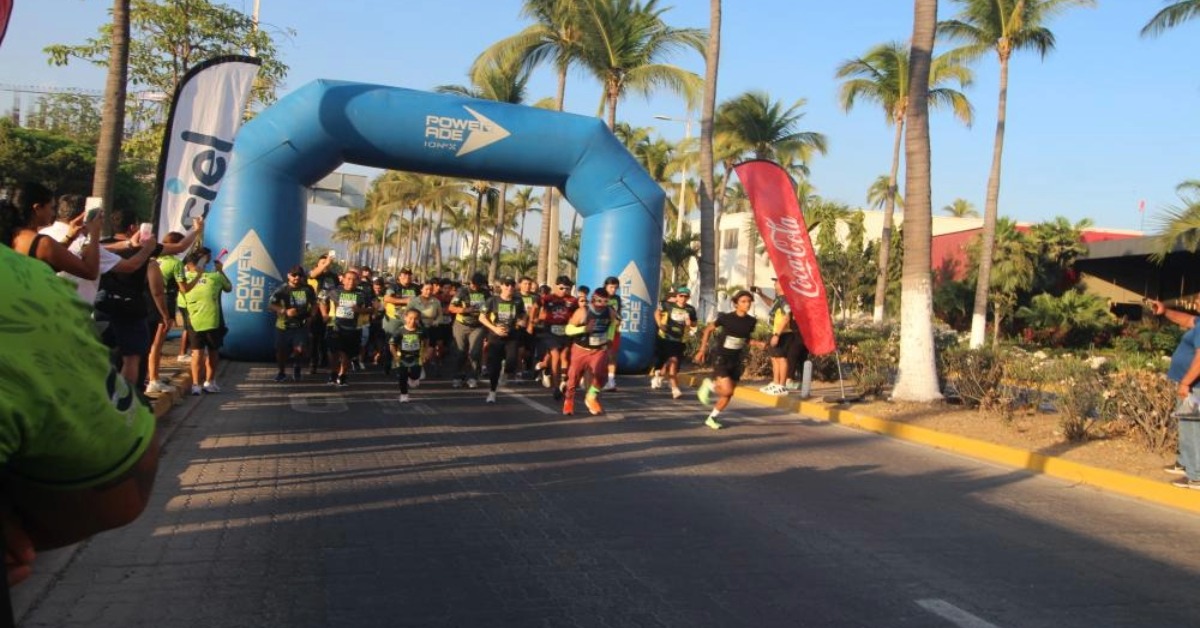
The May 17 event brought 290 runners and more than 1,040 attendees to the Agustín Flores Contreras Municipal Sports Unit, in the Hotel Zone, turning a 5K race into a public show of support for the Vallarta mud turtle, known locally as the Casquito de Vallarta.
The money will support research, monitoring, habitat protection, and public education for Kinosternon vogti, a freshwater mud turtle that survives in wetlands around Puerto Vallarta and Bahía de Banderas.
That is what made the race more than a weekend sporting event. The Casquito de Vallarta is not a distant wildlife story. Its remaining habitat sits within the same urban pressures that shape the city’s growth, drainage, vacant lots, and wetland areas.
The species was described by science in 2018. It is considered critically endangered by the IUCN and listed under CITES Appendix I, the highest international trade protection level for species threatened by extinction.
Researchers describe it as one of the smallest known turtle species. Males average about 7.6 centimeters in shell length, and females average about 7.8 centimeters. Its current area of occupancy has been estimated at less than 0.3 square kilometers.
Those numbers show how little room the species has left. Conservation groups working on the turtle say its threats include habitat loss, roadkill, illegal collection, fires, pollution, and competition from exotic turtles released into local wetlands.
The race was organized by Estudiantes Conservando la Naturaleza A.C. with support from the University of Guadalajara’s CUCosta. It was held as part of World Turtle Day activities and included youth, open, and veteran divisions for women and men.
The community side of the event was just as important as the race. The environmental fair “Paso a Paso por la Casquito de Vallarta” brought together 15 organizations and institutions working on biodiversity, research, and environmental education in the bay region.
Those groups gave attendees a broader look at local conservation work, including crocodiles, birds, marine turtles, green macaws, marine mammals, sharks, and other species tied to Puerto Vallarta’s land and water systems.
The Casquito’s situation has become more urgent over the past year. In January 2025, Profepa opened an investigation after 55 Casquito turtles were reported stolen from CUCosta’s conservation ark in two separate incidents.
In May 2026, Profepa also reported precautionary measures at two properties in Puerto Vallarta after inspectors found land-use changes and other activities affecting more than five hectares of vegetation in an area associated with the species’ habitat.
That background gives the race a sharper meaning. Every peso raised is small compared with the scale of habitat loss, but local support helps keep the turtle visible before decisions about land, water, and enforcement are already made.
Organizers said the turtle has brought together civil society, academia, authorities, private supporters, students, and environmental groups. Their message was simple: when organized society works together, “great things are possible.”
Residents can help by supporting groups that protect local lagoons, reporting illegal dumping in wetlands and green areas, avoiding the release of exotic turtles, and reporting suspected wildlife trafficking or illegal collection.
For Puerto Vallarta, the Casquito is now part of the city’s environmental identity. Its survival will depend less on one race than on what happens to the small wetland spaces still left around the bay.